
Districts
Set against the backdrop of old city streets and collective memory, this district weaves together historical texture, everyday functions, and local industries. Through route planning and spatial enhancement, it is gradually shaping a renewed urban fabric that is walkable, connected, and rich in experience.

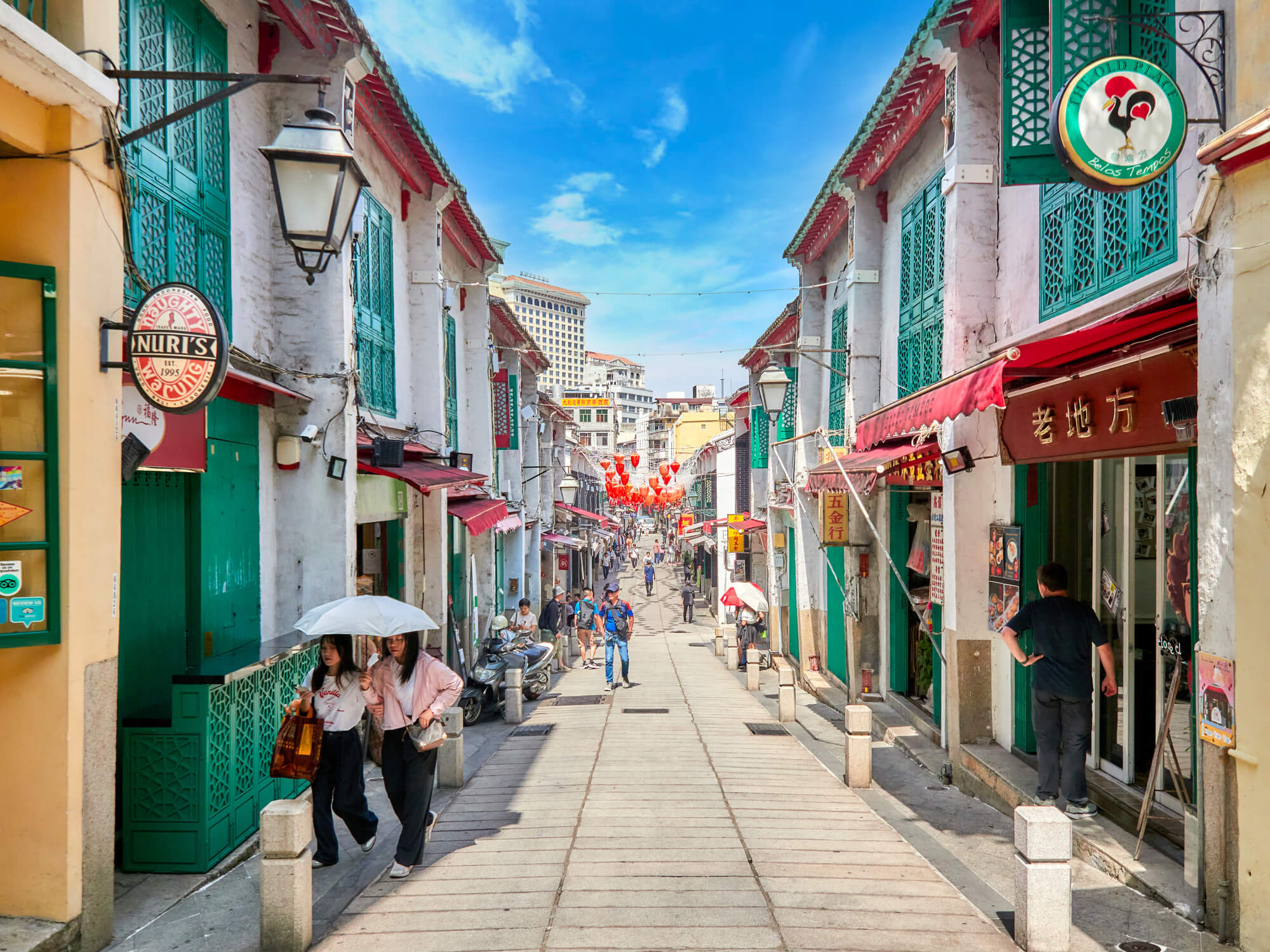
Old Streets Revitalization
Rua das Estalagens
Rua da Felicidade
Rua de Cinco de Outubro
Kam Pek Market
Pier 12A and Pier 14 at the Inner Harbour,
Pier 23 and Pier 25 at the Inner Harbour
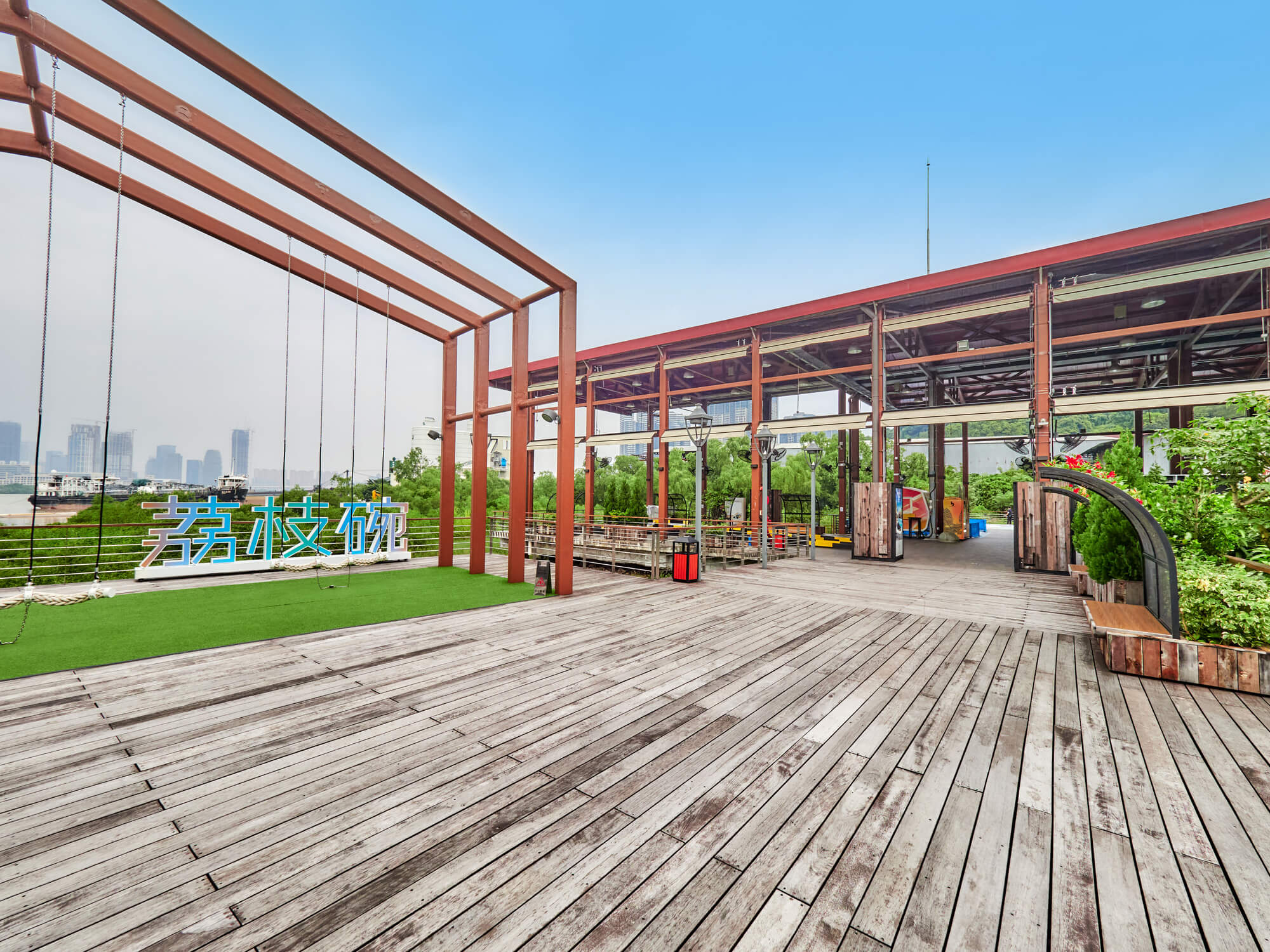
Industrial Heritage Revitalization
Former Iec Long Firecracker Factory
Lai Chi Vun Shipyards
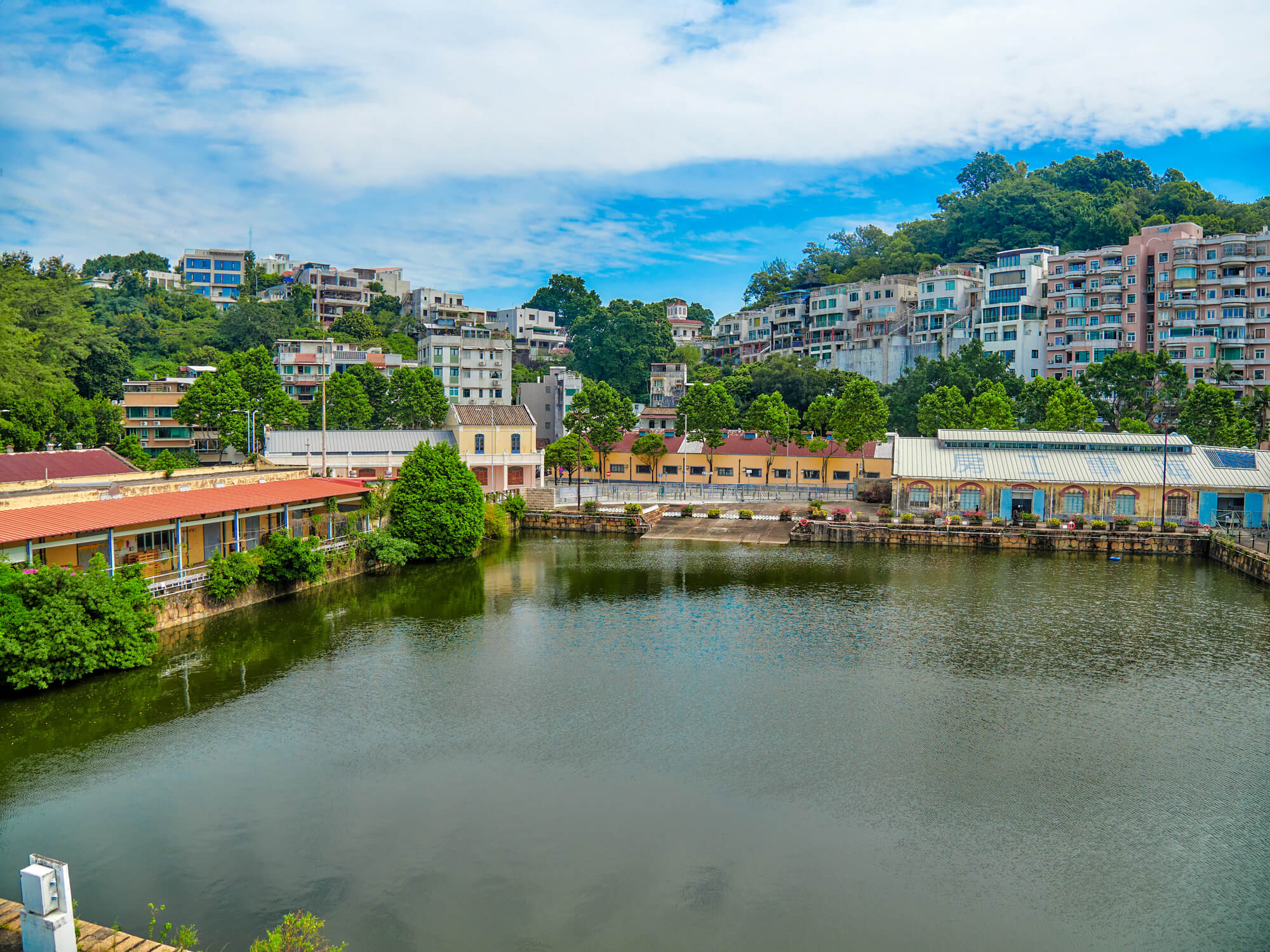
Maritime Cultural Heritage Revitalization
Barra District
The Historical Streets near The Ruins of St. Paul’s
The district formed by Rua das Estalagens, Rua da Felicidade, Rua de Cinco de Outubro, and Piers 12A, 14, 23 and 25 at the Inner Harbour is among Macau’s most historically significant urban areas. Together with the Ruins of St. Paul’s, Mount Fortress, and Senado Square, it lies at the heart of Macau’s tourist circuit.
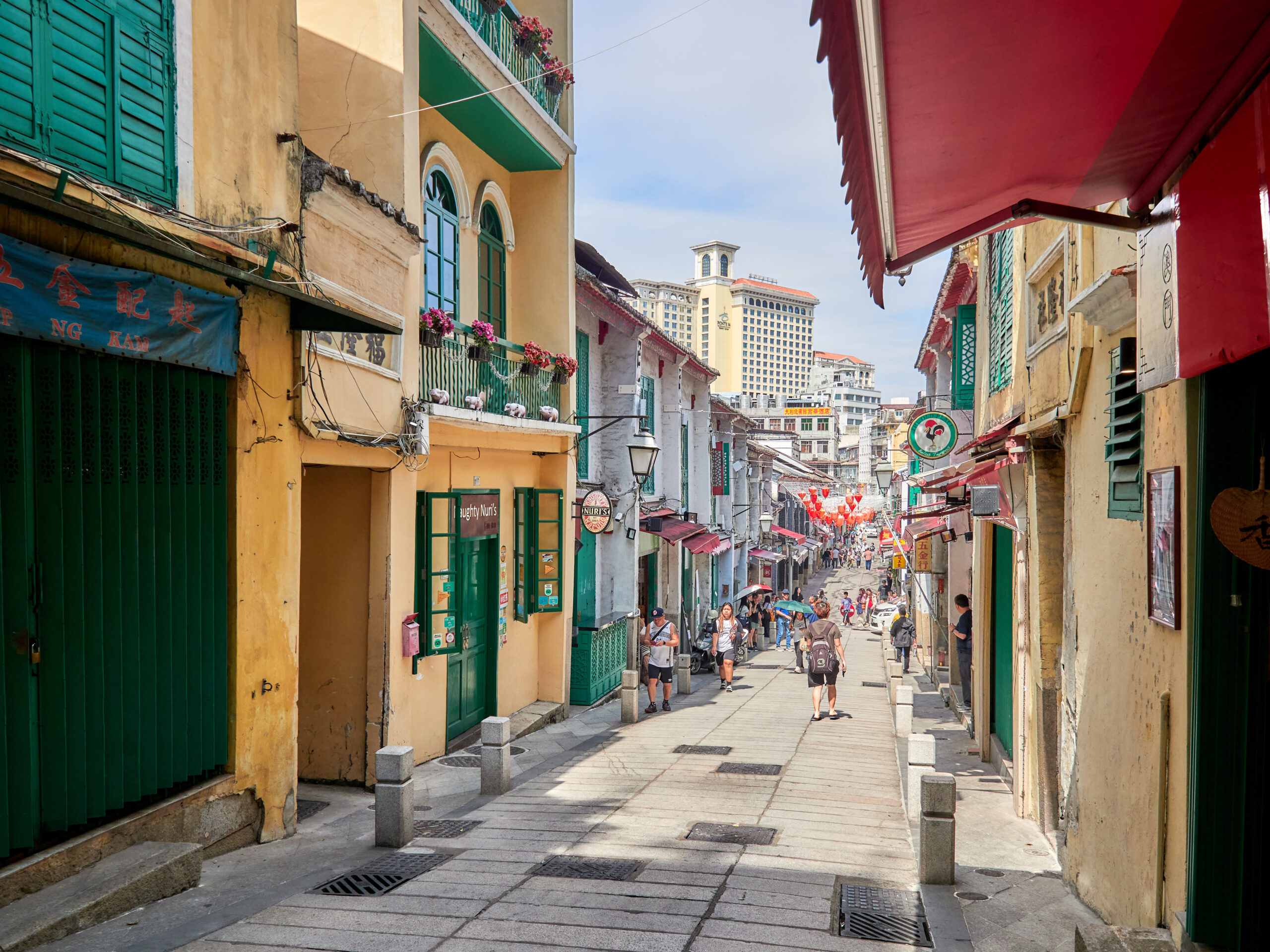
Rua da Felicidade
Rua da Felicidade
Area Introduction
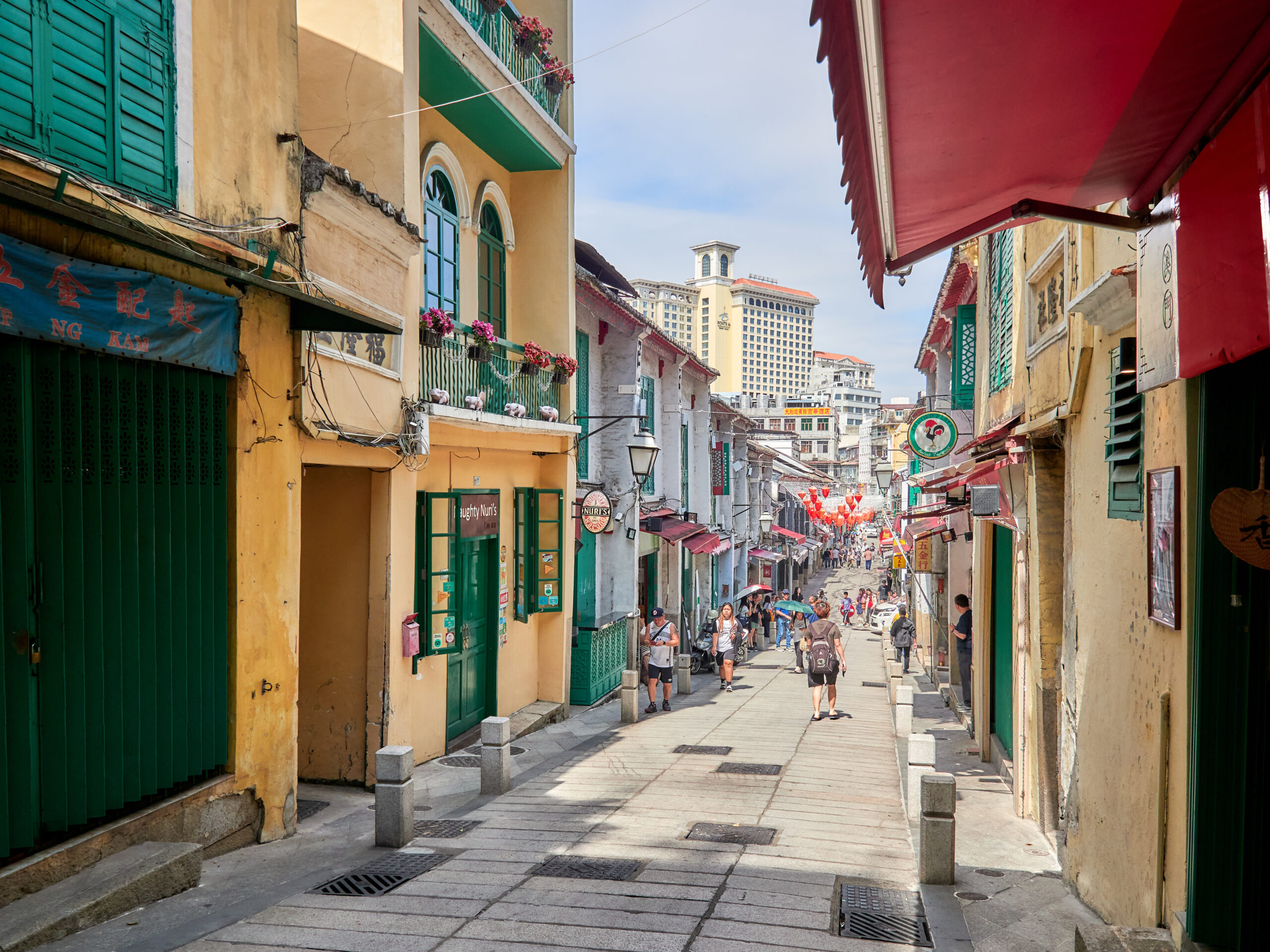
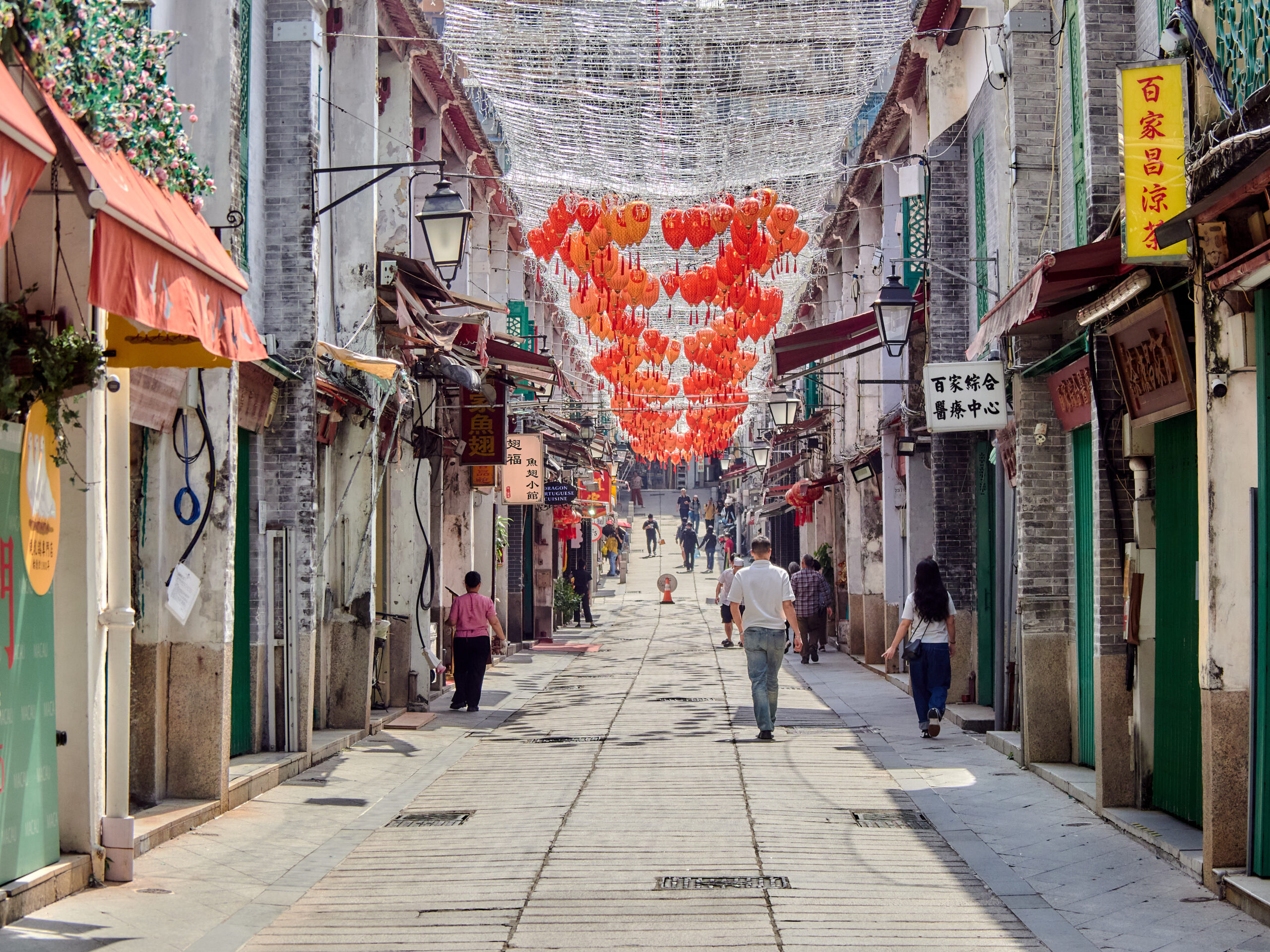
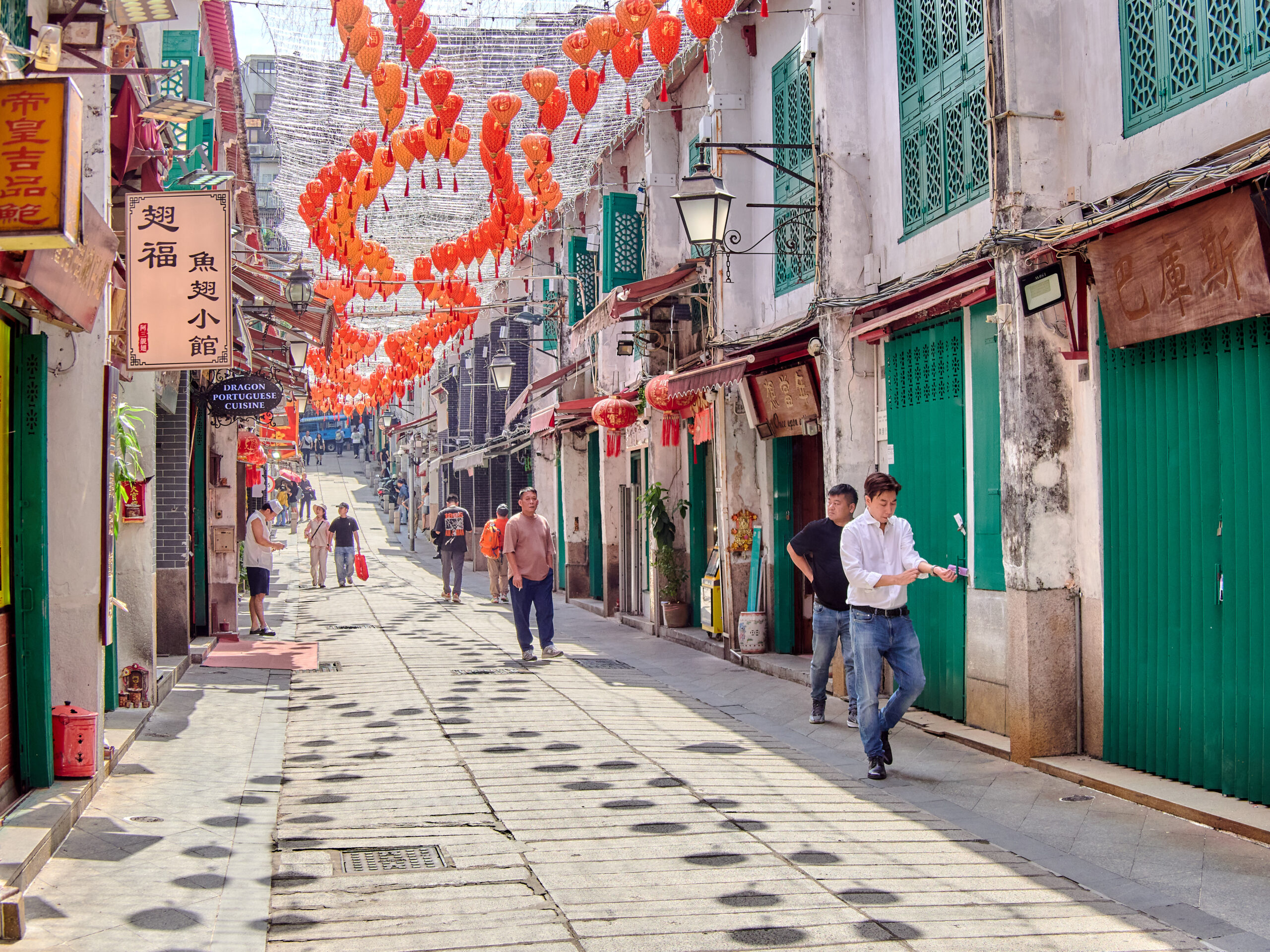
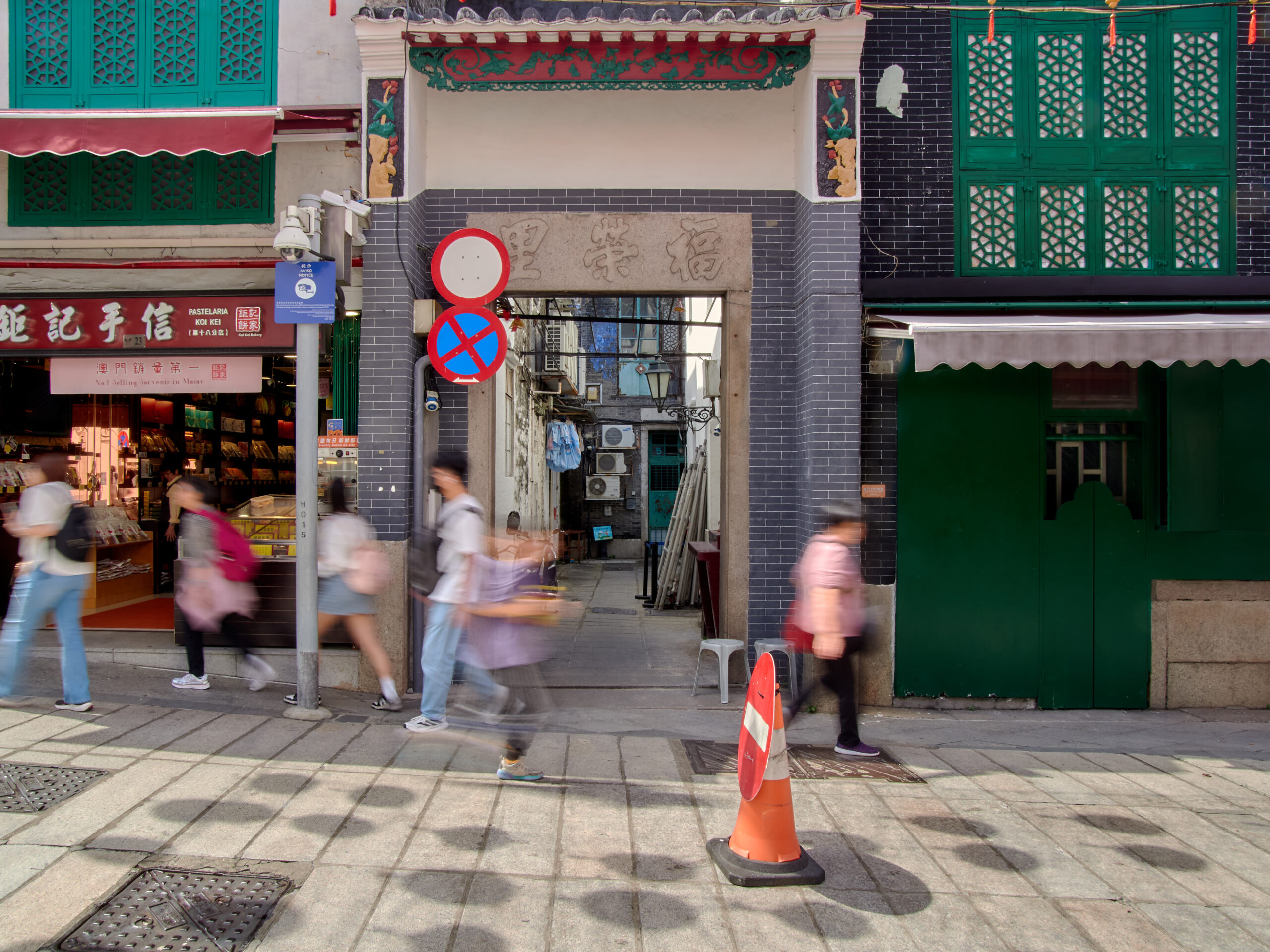
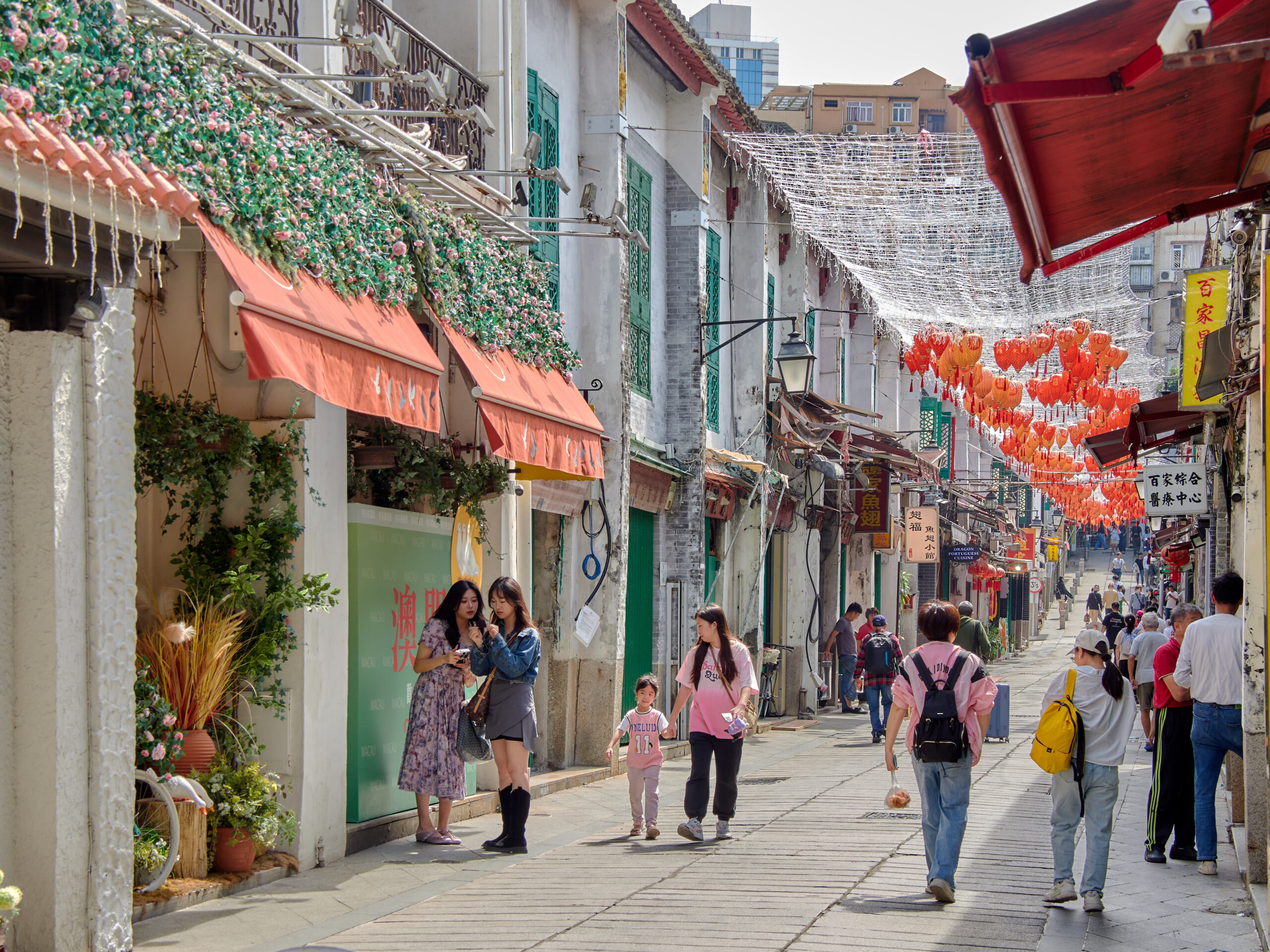
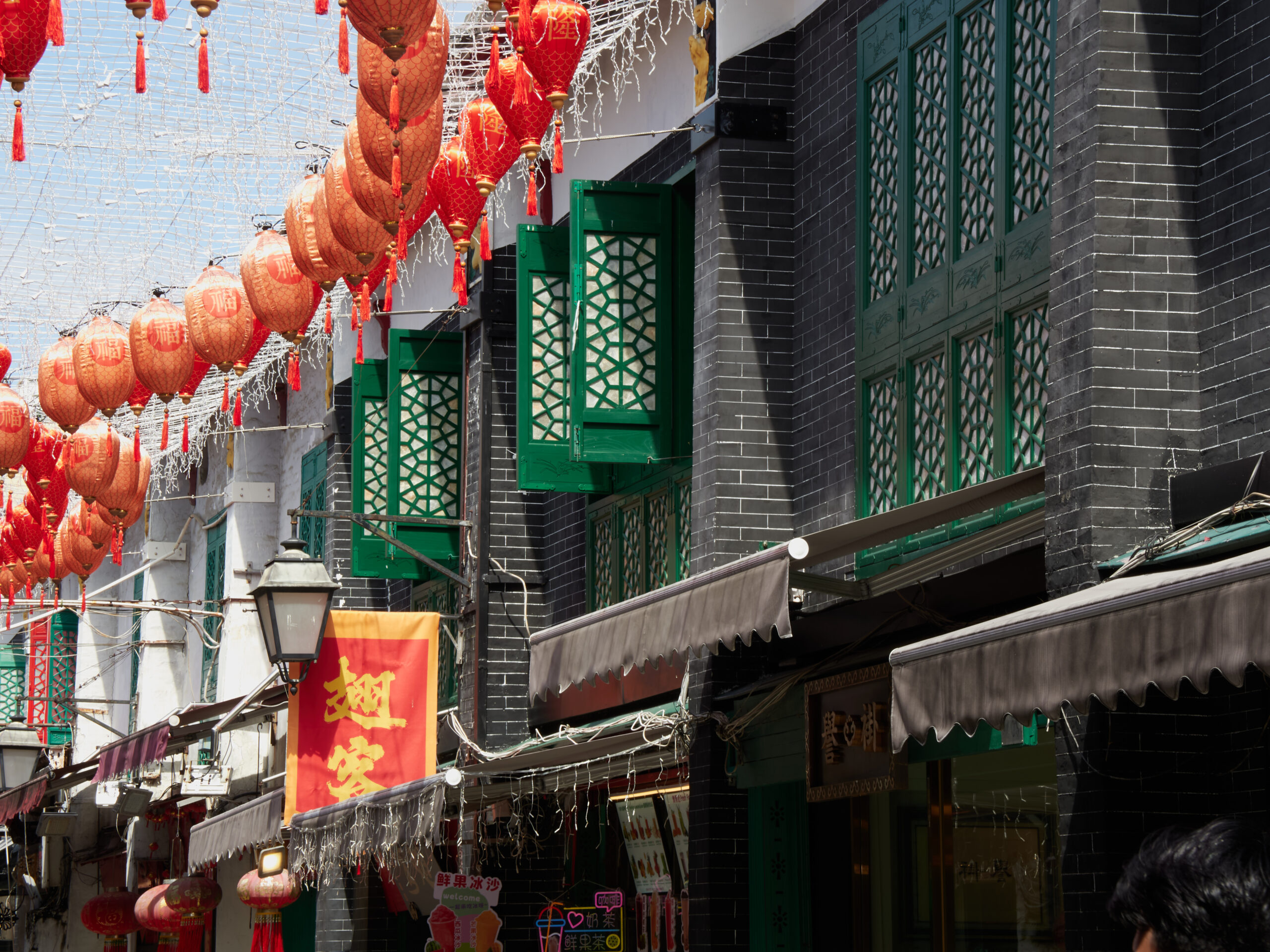
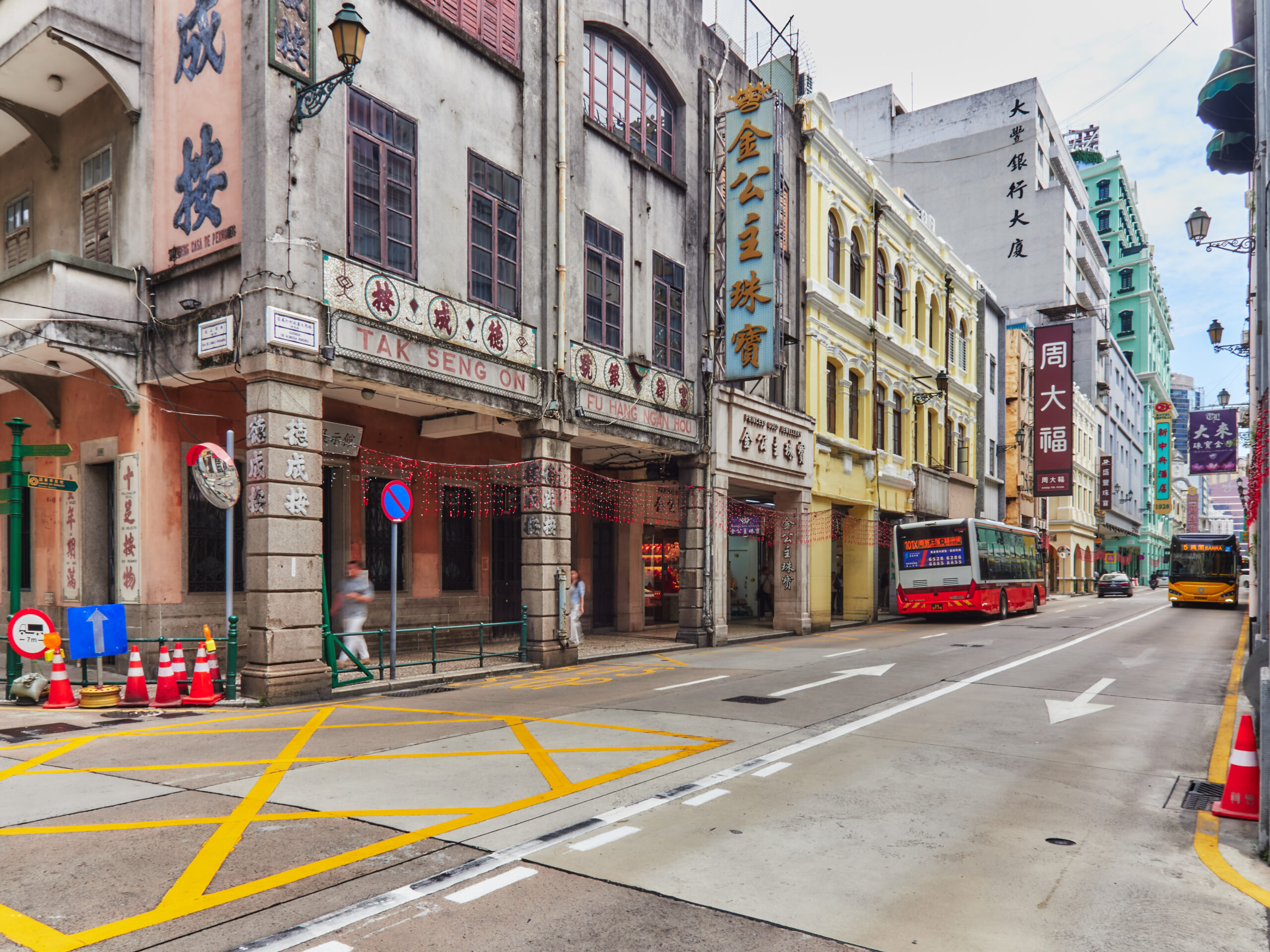
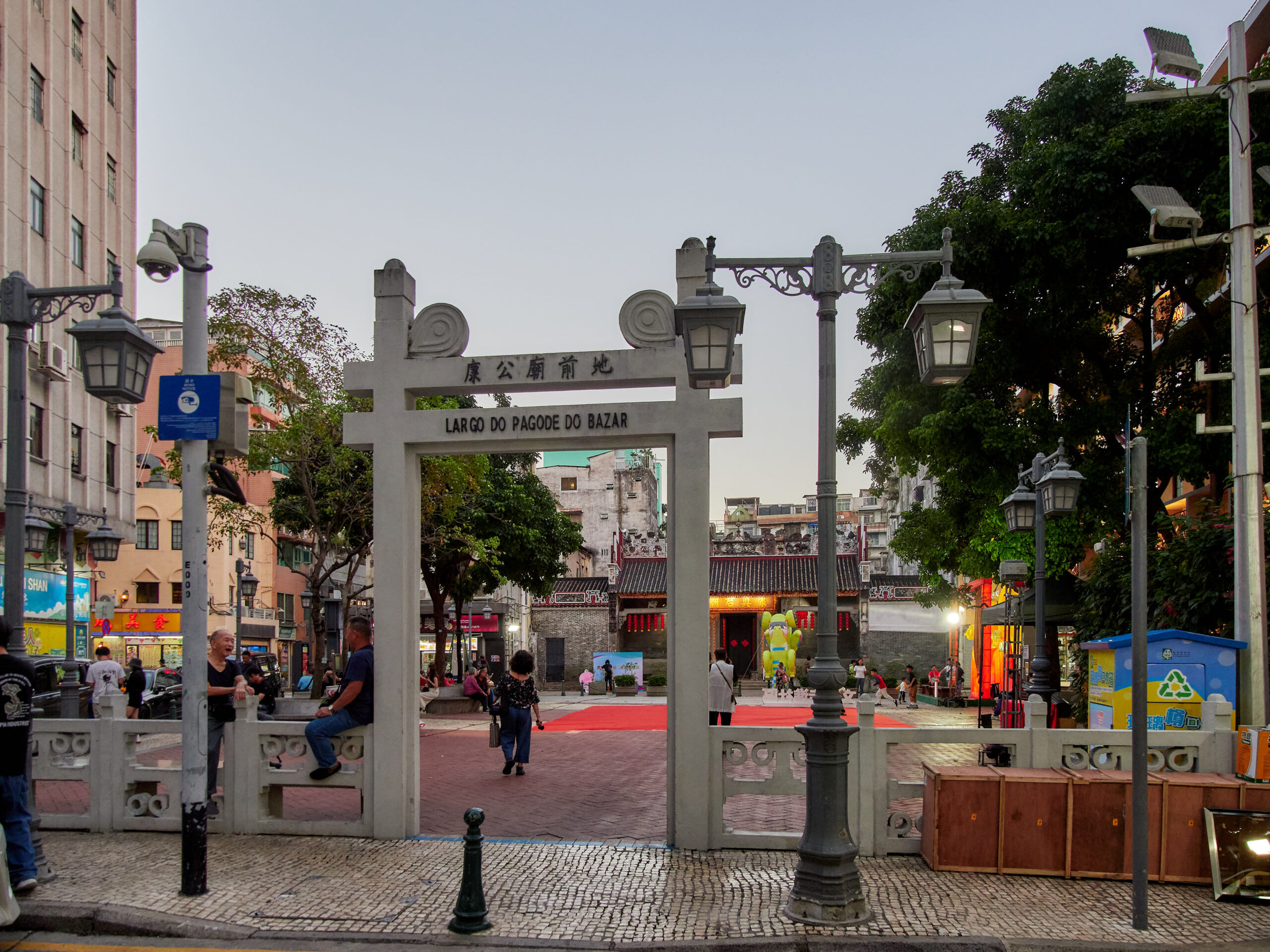
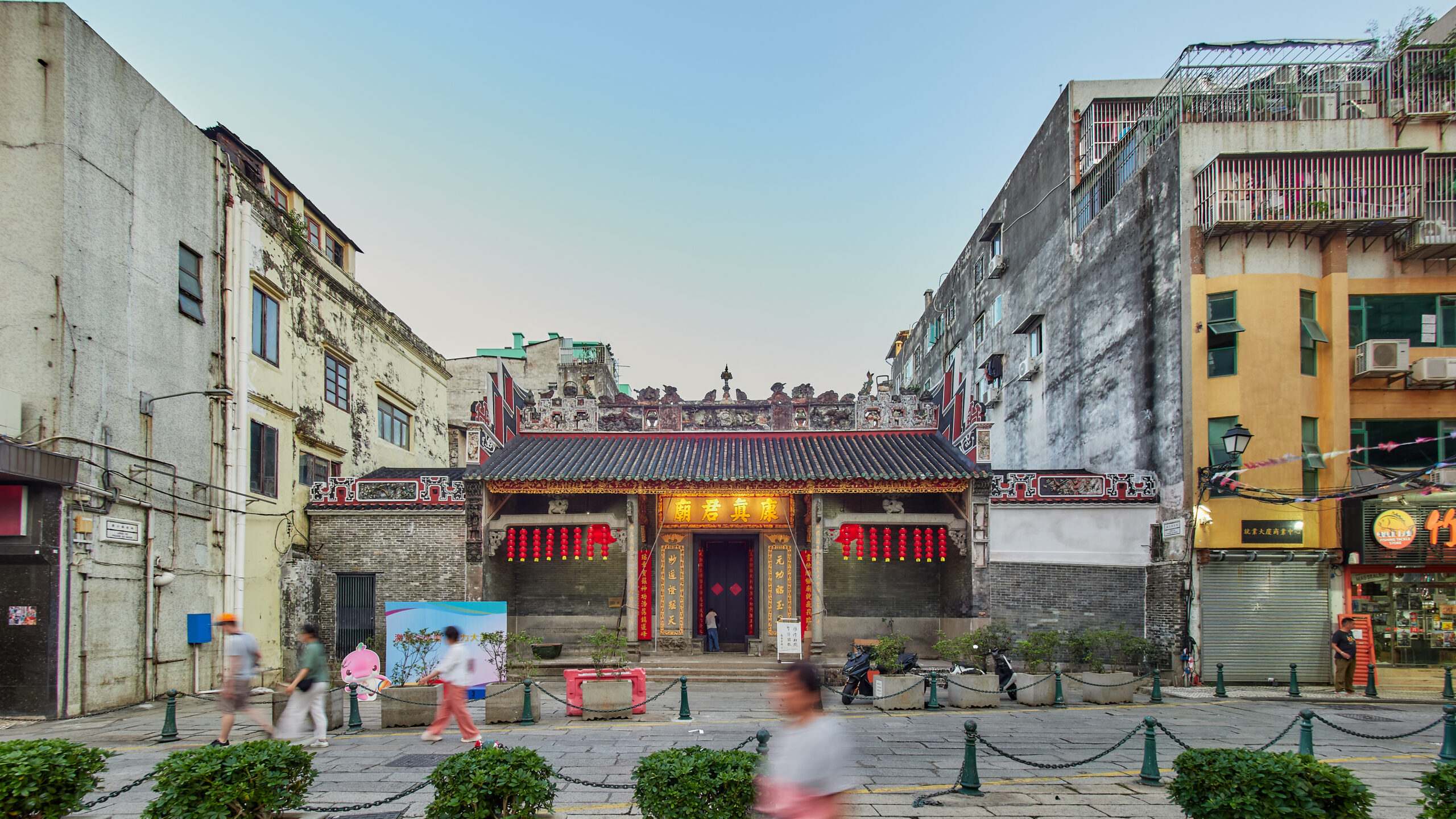
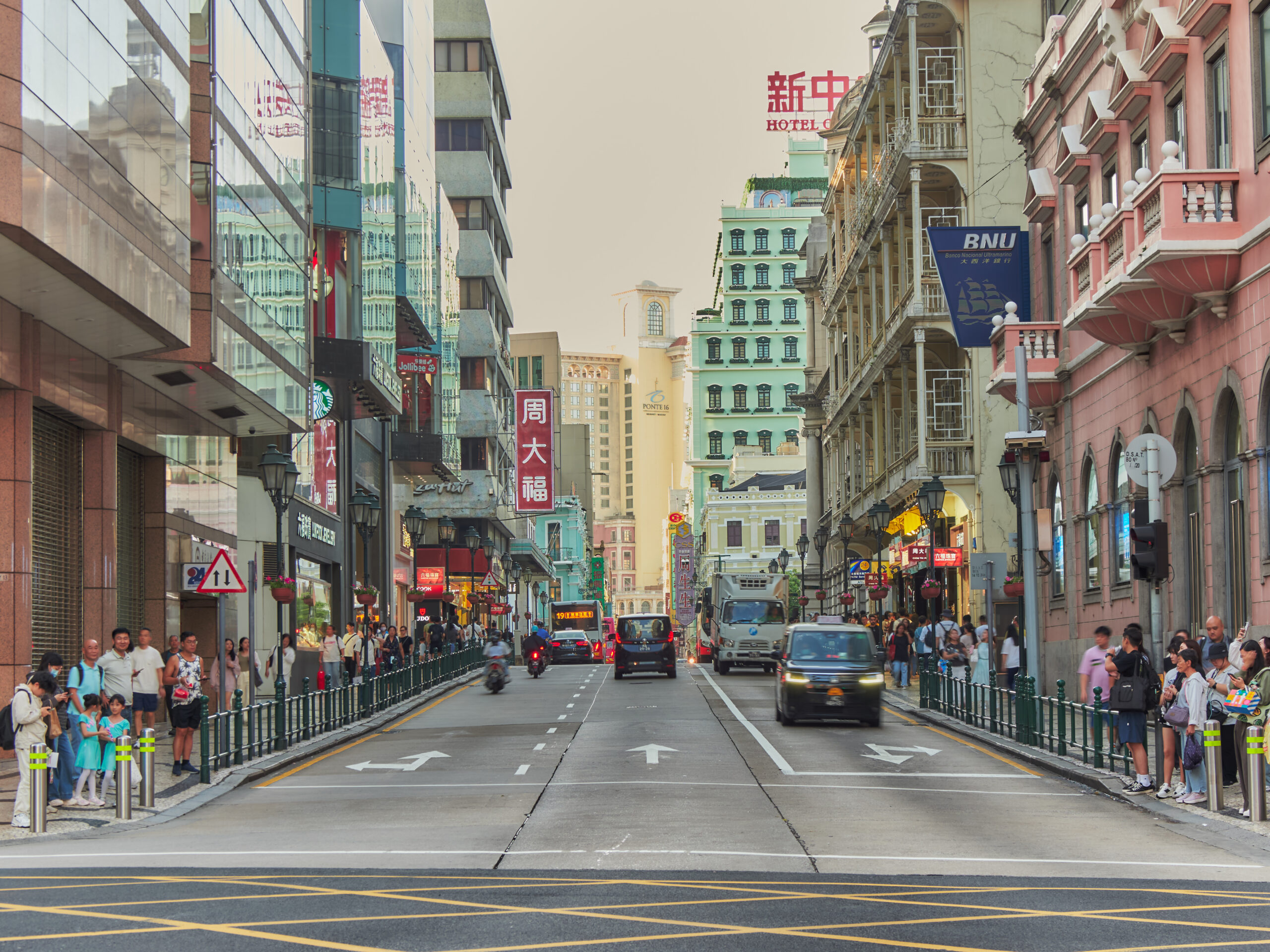
Rua da Felicidade is located in the northern bay area of the Inner Harbour and was originally part of Hong Long Fong. In its early days, it was home to “Pelela & Co.”, a tea trading firm run by Jewish merchants. After the Opium War, foreign businesses moved to Hong Kong and the area fell into decline for a time. In 1866, Wang Lu and his son Wang Di, natives of Jinjiang in Fujian, developed the district under the name “Siu Cheong Tong,” reclaiming land along the waterfront; it was later renamed “Chap Seng Tong.” Governor António Sérgio de Sousa allocated land for the construction of the Cheng Peng Theatre and required the filling of Pak Ngan Tong and the building of a new market. After the theatre was completed in 1875, it attracted restaurants, opium dens, and gambling houses, and together with Fok Wing Lei and Yee On Street became known as the “Three Flower Streets.” Following the war, it gradually declined due to policy changes, becoming part of the urban memory of the Inner Harbour.
References:
Wang Wenda (1999). Anecdotes of Macao. Macao: Macau Education Press, Chinese Education Association.
Li Pengzhu (2001). Macao: Past and Present. Hong Kong: Joint Publishing (H.K.) Co., Ltd.
Lam Fat Iam (2004). Stories of Macao Streets. Macao: History Society of Pui Tou Middle School.
Lou Ka U (2012). Rua da Felicidade District: Dreams in the Red Chamber. Macao: Old City · Memories personal blog.
Nearby Attractions
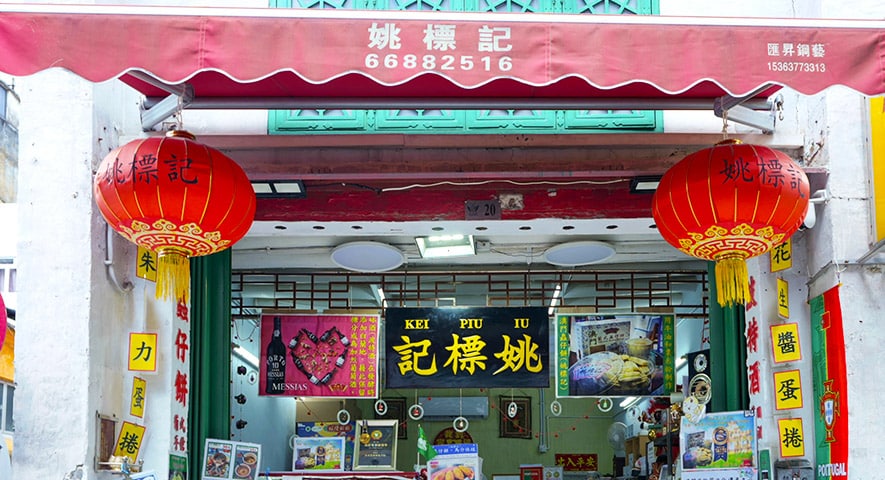
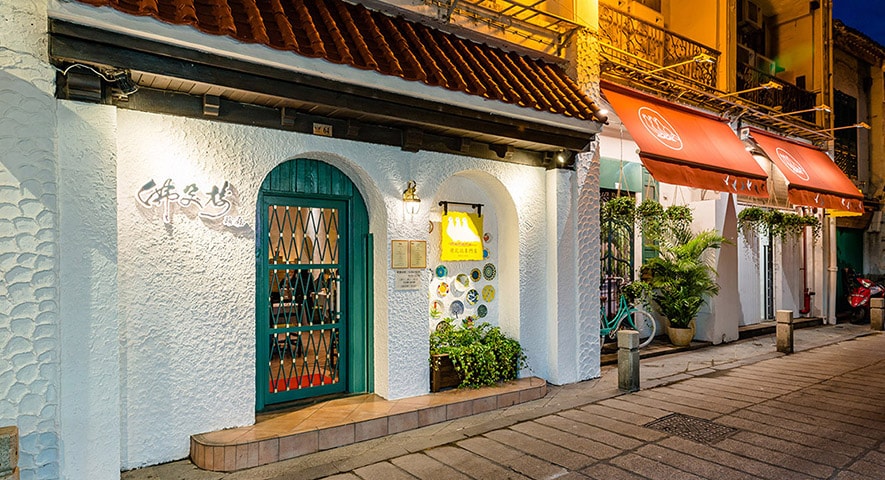
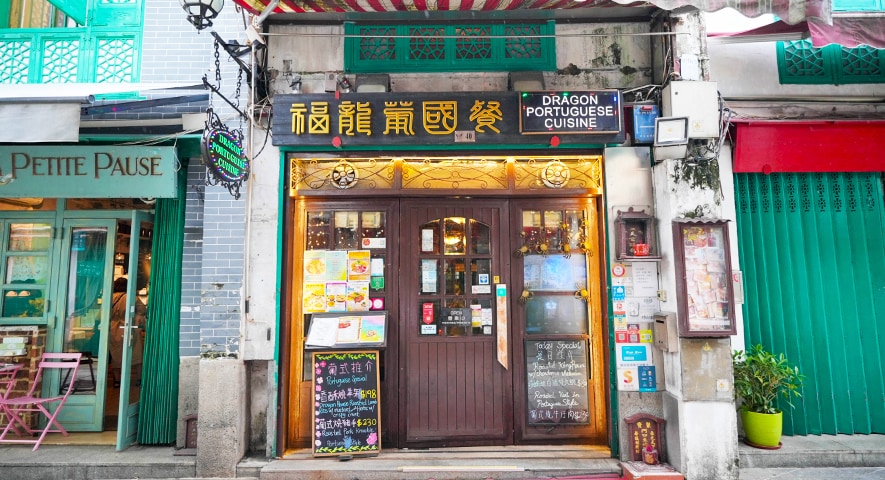
Nearby Businesses
Traffic Information
 Nearby parking
Pak Leng, Pak Kong
 Bus
Bus
18
11、21A、21AT、26A、26AT、33
2、3、3A、3X、5、6A、10、18、101X、N1B、N3
2、3A、5、10、11、21A、N3
3、3X、4、6A、8A、18A、19、26A、33、101X、N1A
1、2、3A、5、10、16、16S、11、21A、26、MT4、N3
1、3、3X、6A、16、16S、26、26A、33、61、101X、MT4
11、3、3X、6A、18A、19、61、MT4、4、8A、18B、26、26A、33、101X、N1A
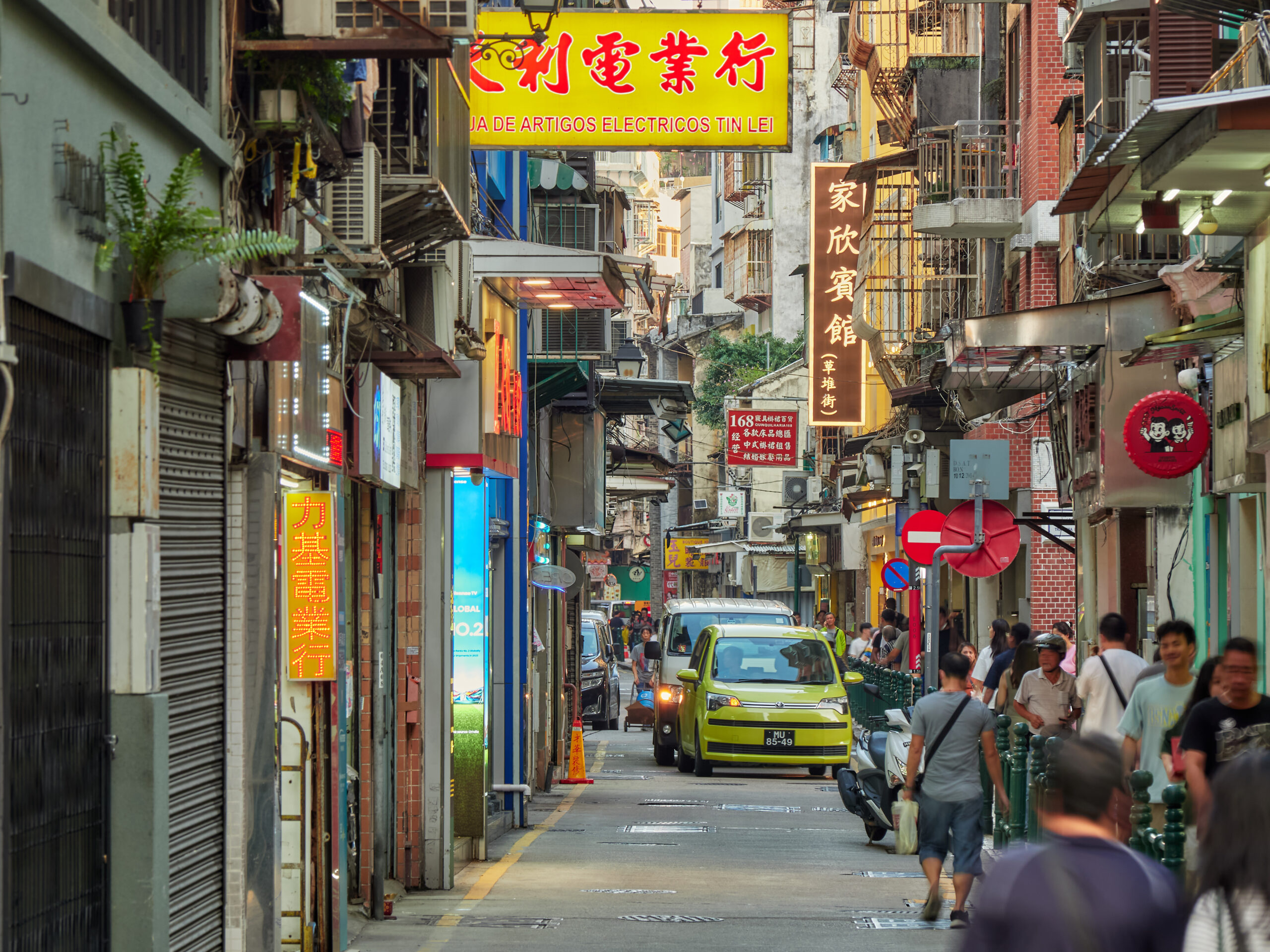
Rua das Estalagens
Rua das Estalagens
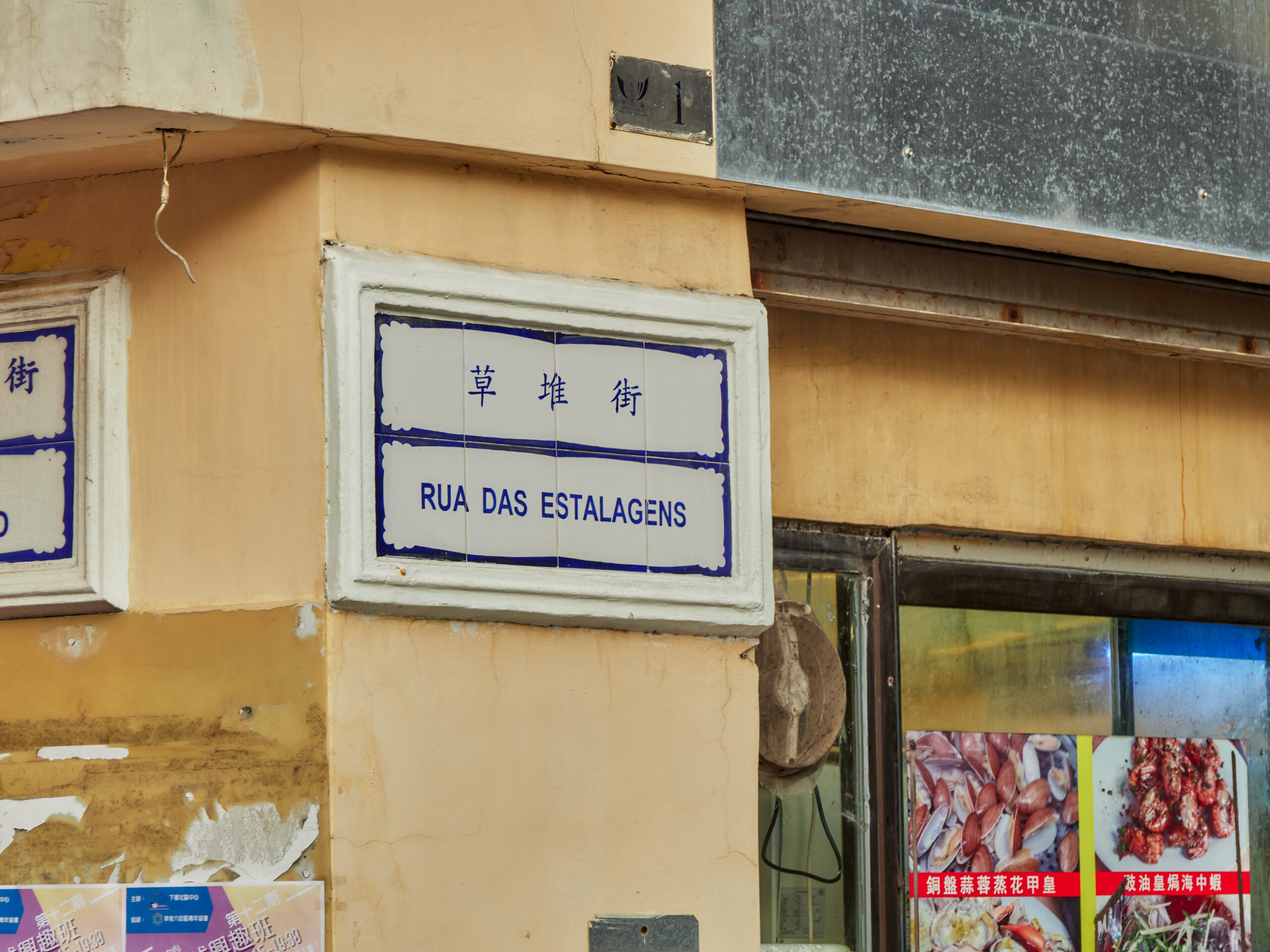
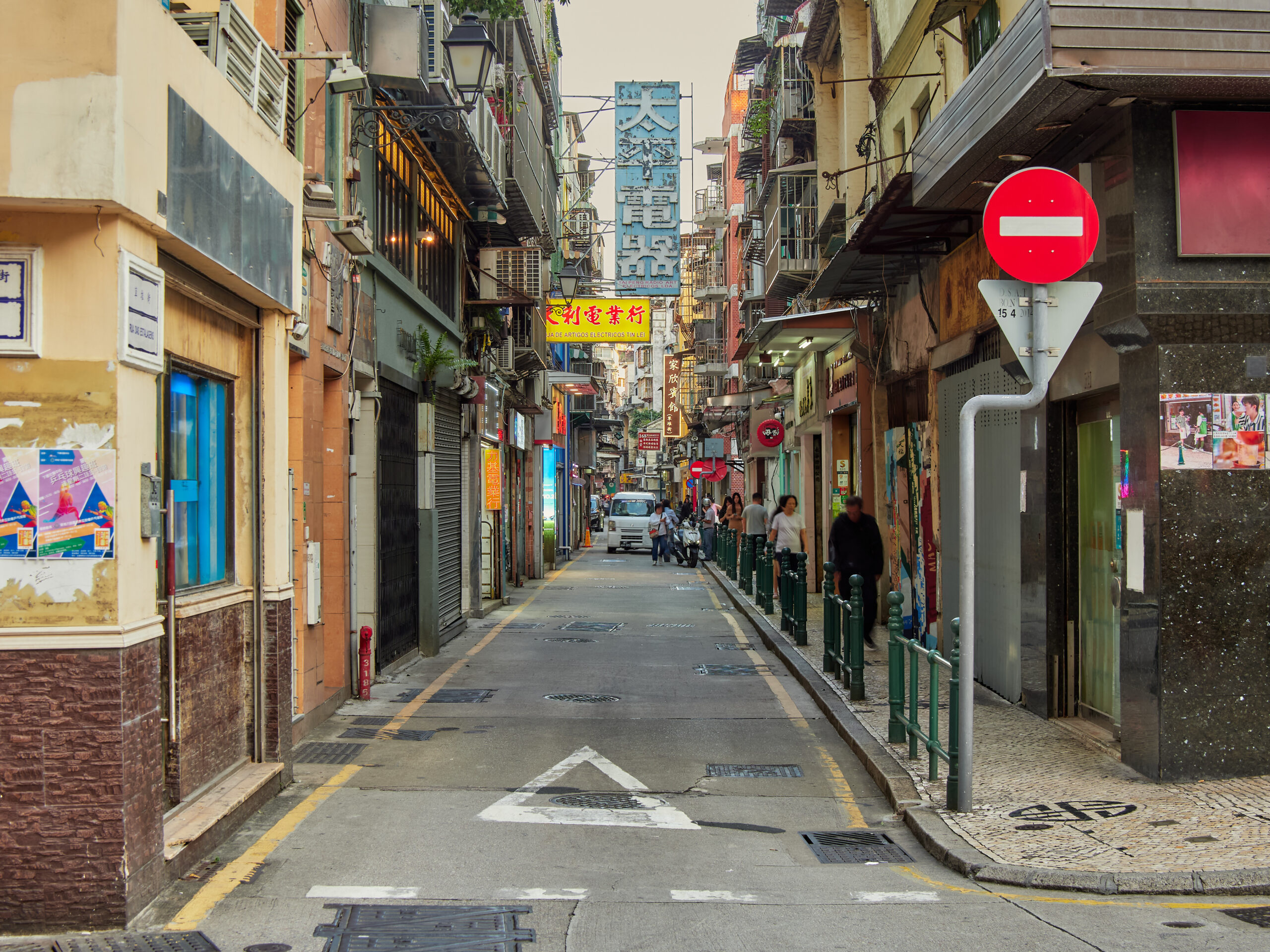
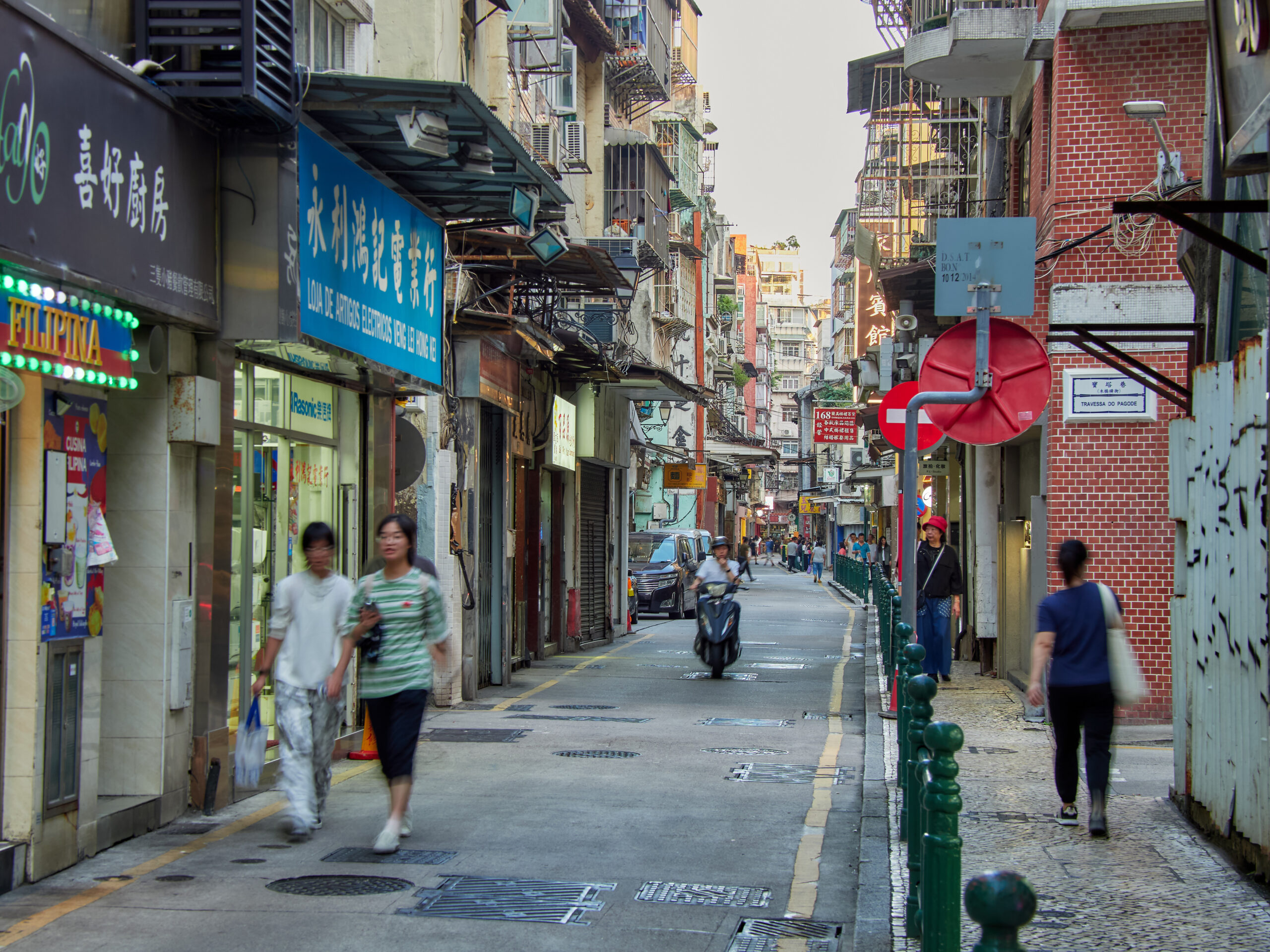
Area Introduction
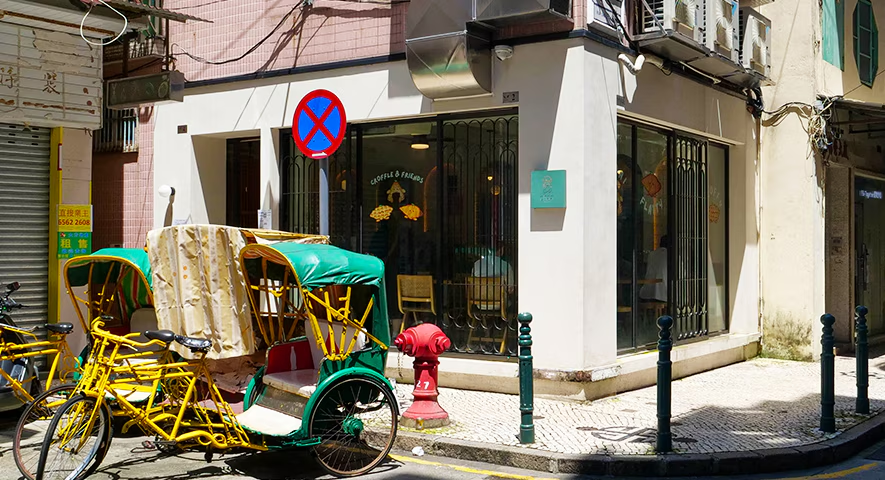
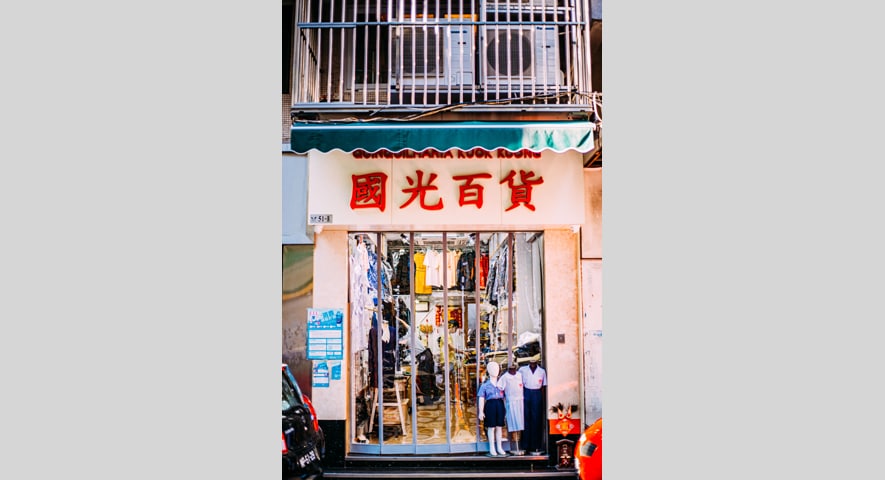
Rua da Palha was once known together with Rua dos Mercadores and Rua de Cinco de Outubro as the “Three Streets,” serving as the commercial hub of Wing Ning Fong, where travellers gathered and shops flourished. In the Ming dynasty, the far end of the street was originally the harbour known as “San Ou Hau,” where firewood and grass brought in by wooden boats were unloaded and piled up, giving the street its name after it was opened. After Avenida de Almeida Ribeiro was built in 1918, its commercial and transport importance was gradually replaced. The district also witnessed modern social activities — for example, Dr. Sun Yat-sen once ran a Chinese and Western pharmacy here, offering free medical treatment and medicine, leaving behind a lasting memory in the city.
References:
Wang Wenda, Liu Xianbing, and Ng Wa Kai (2003). Anecdotes of Macao. Macao: Macao Education Press.
Exmoo News (2025). A Former Commercial Hub — Rua da Palha: A Witness to Macao’s History and Commerce. Macao: MegaInfo Media Co., Ltd.
Nearby Attractions
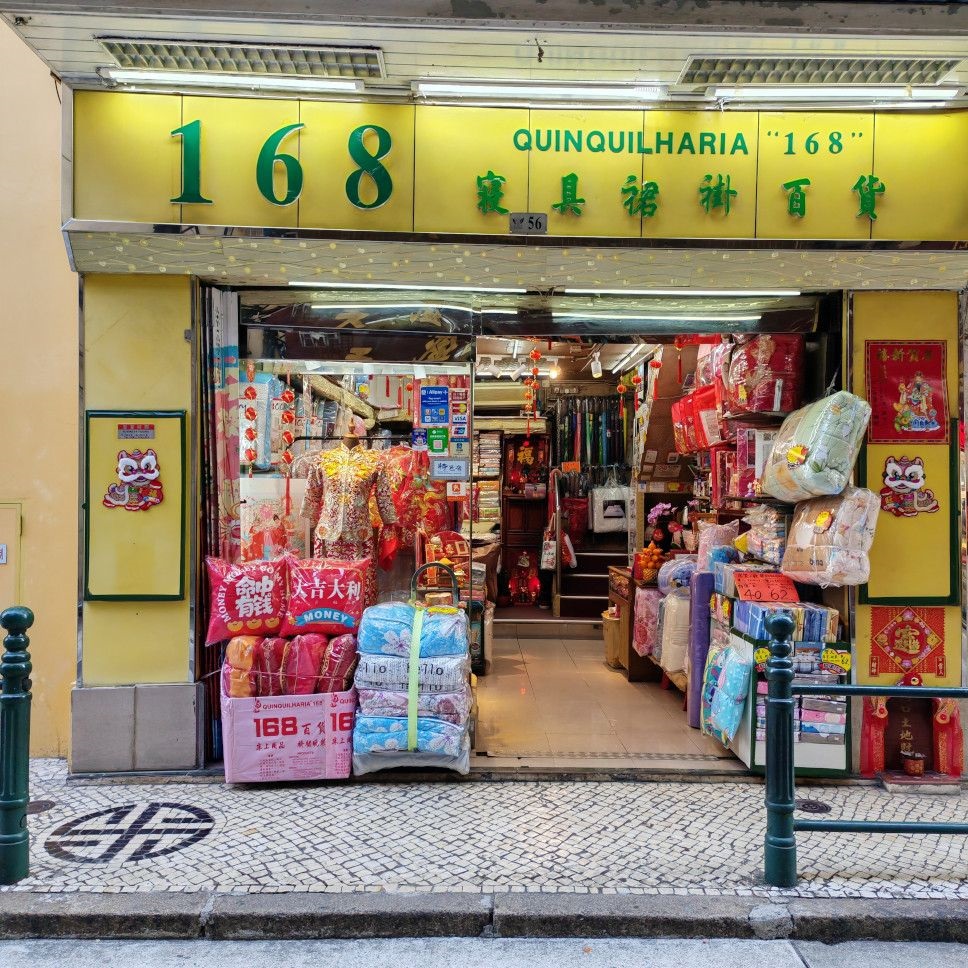
Nearby Businesses
Traffic Information
Nearby parking
栢寧、栢港
Bus
Rua de Cinco de Outubro
Rua de Cinco de Outubro
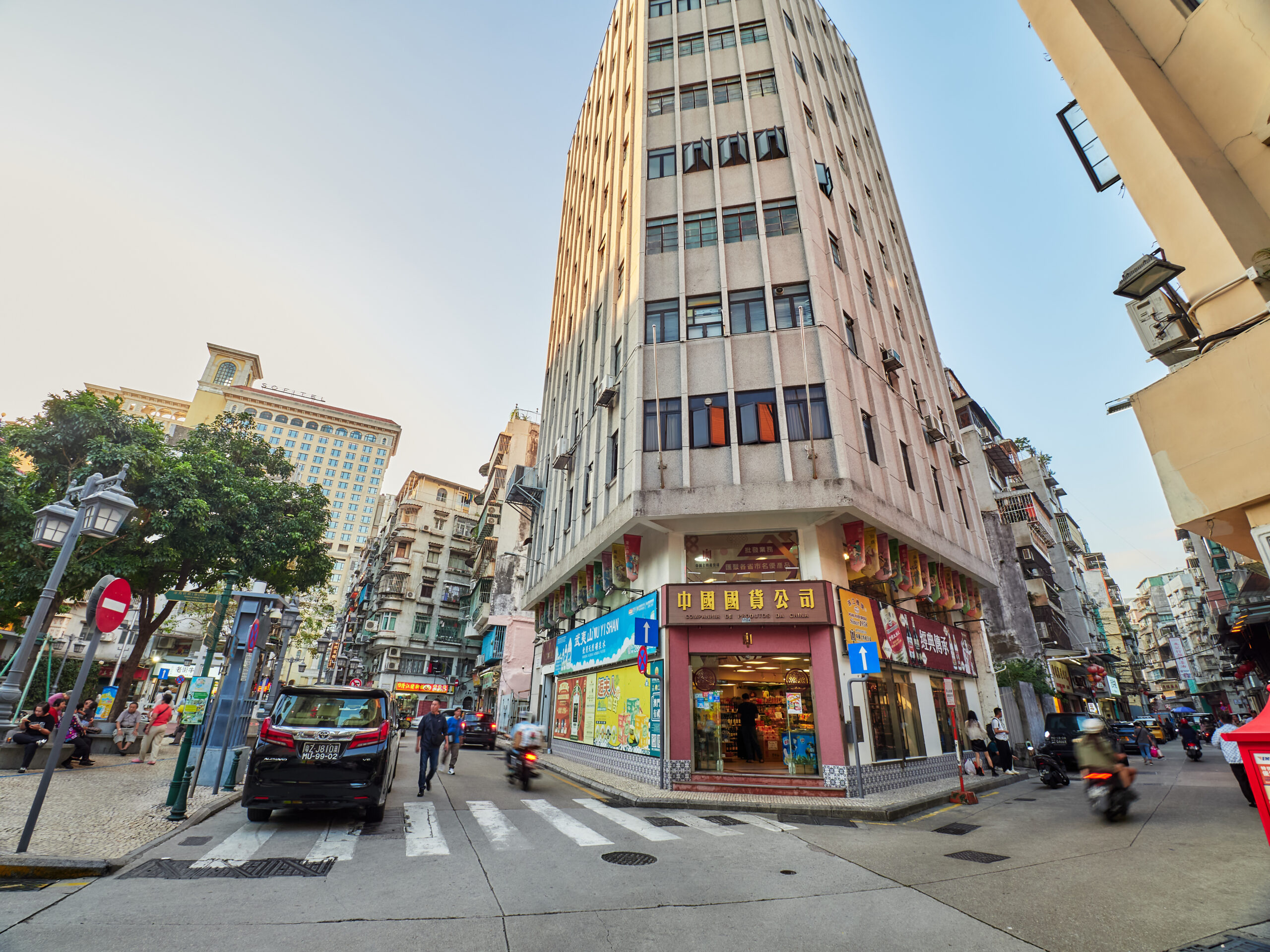
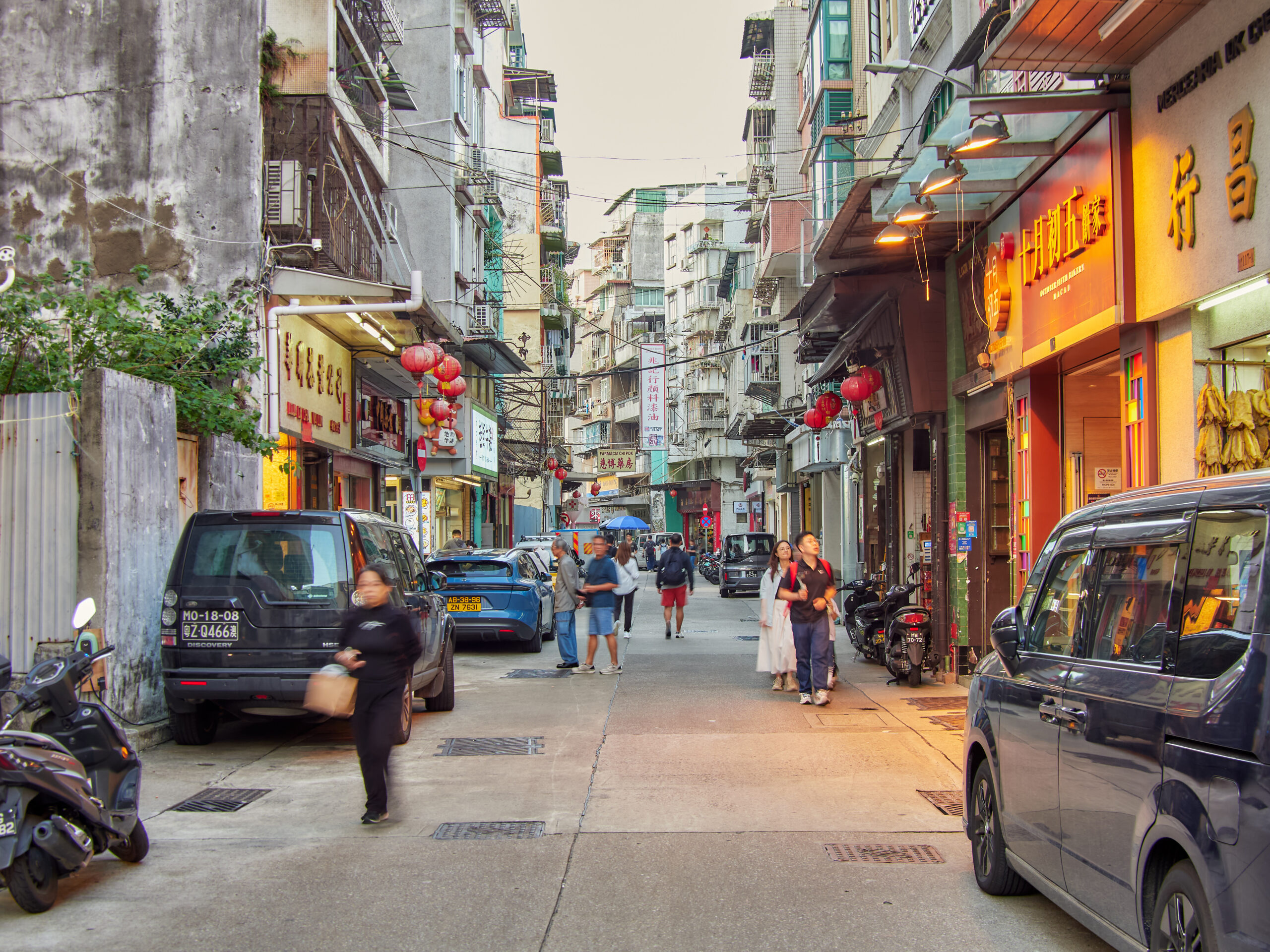
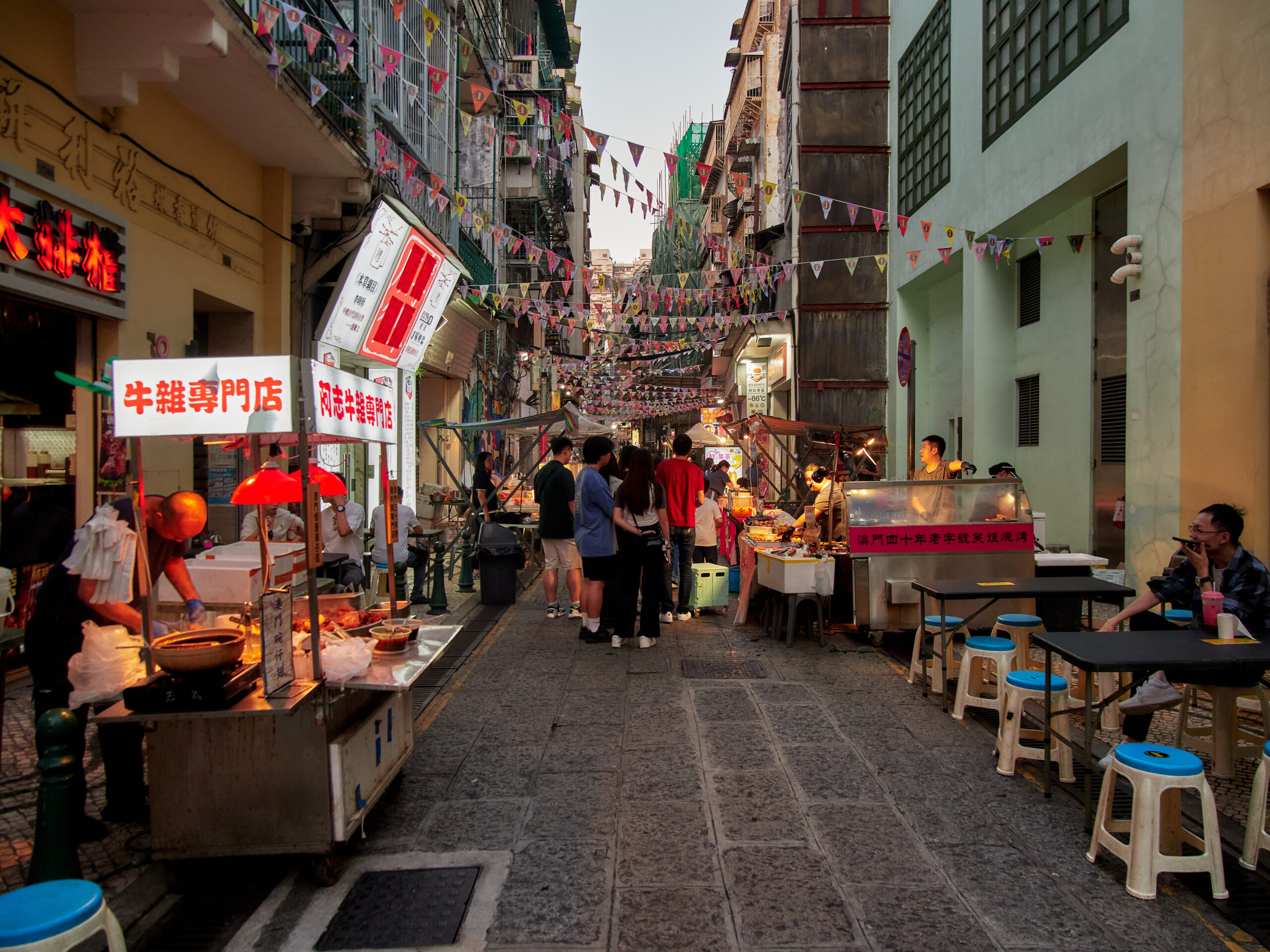
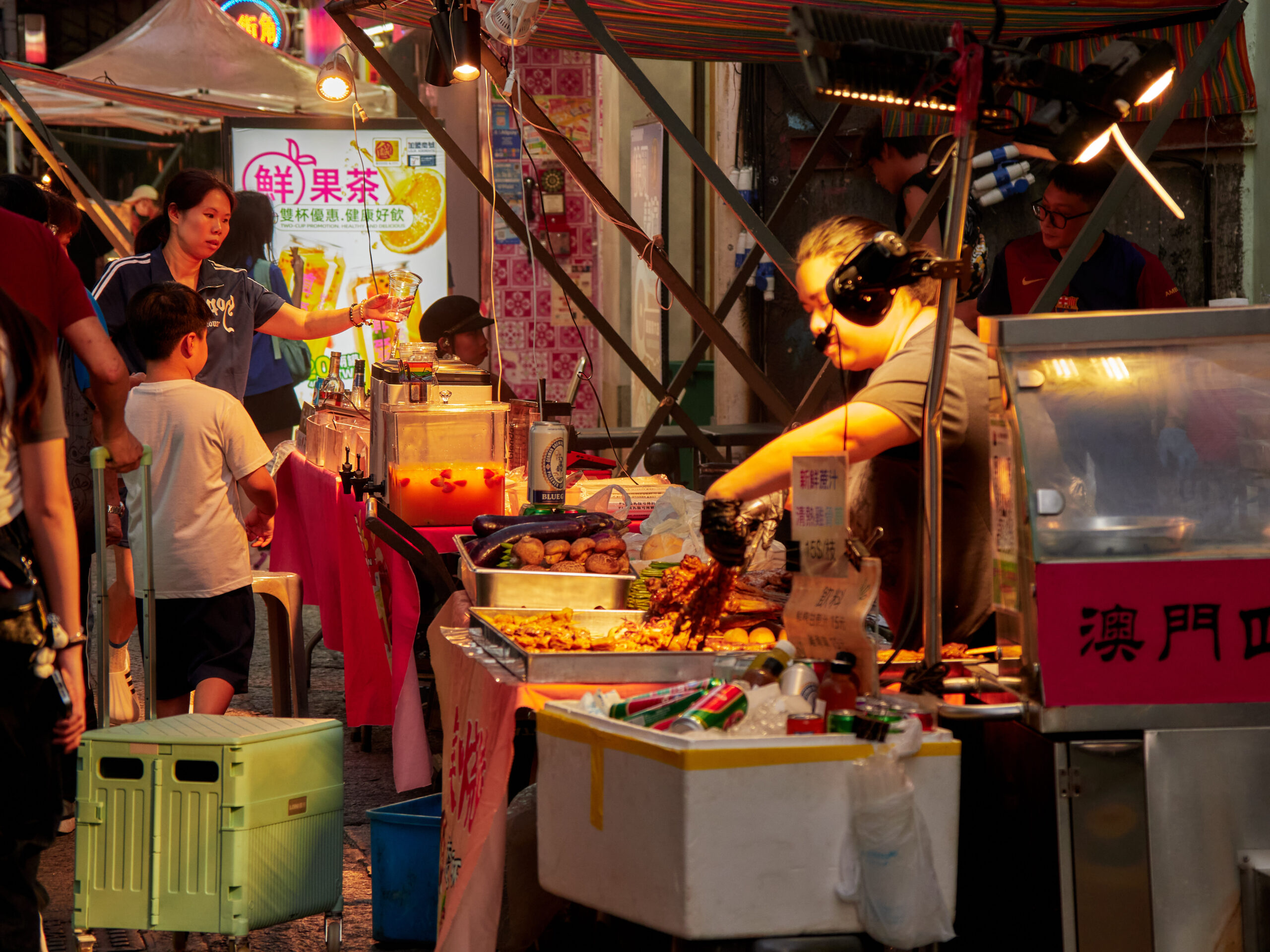
Area Introduction
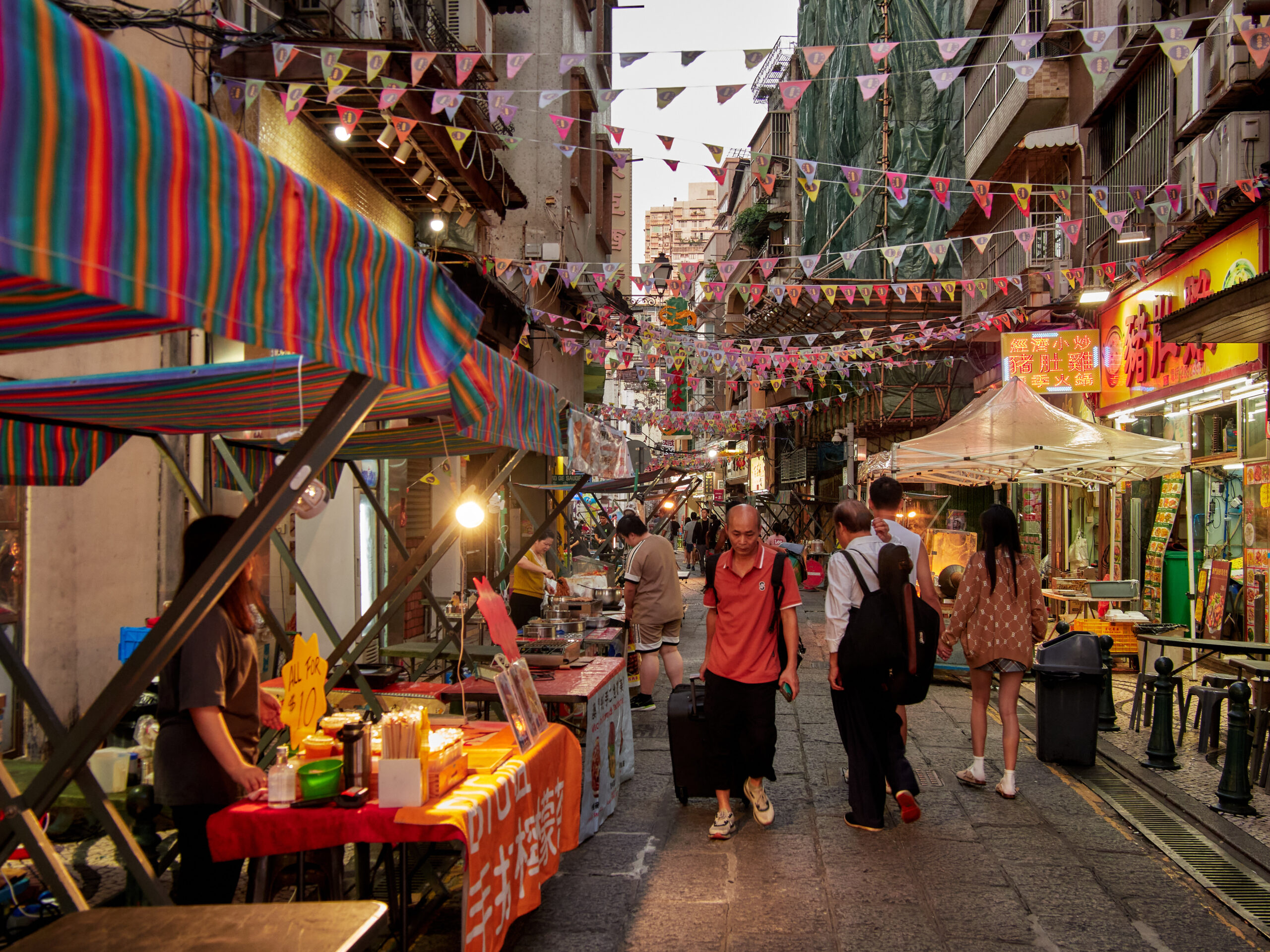
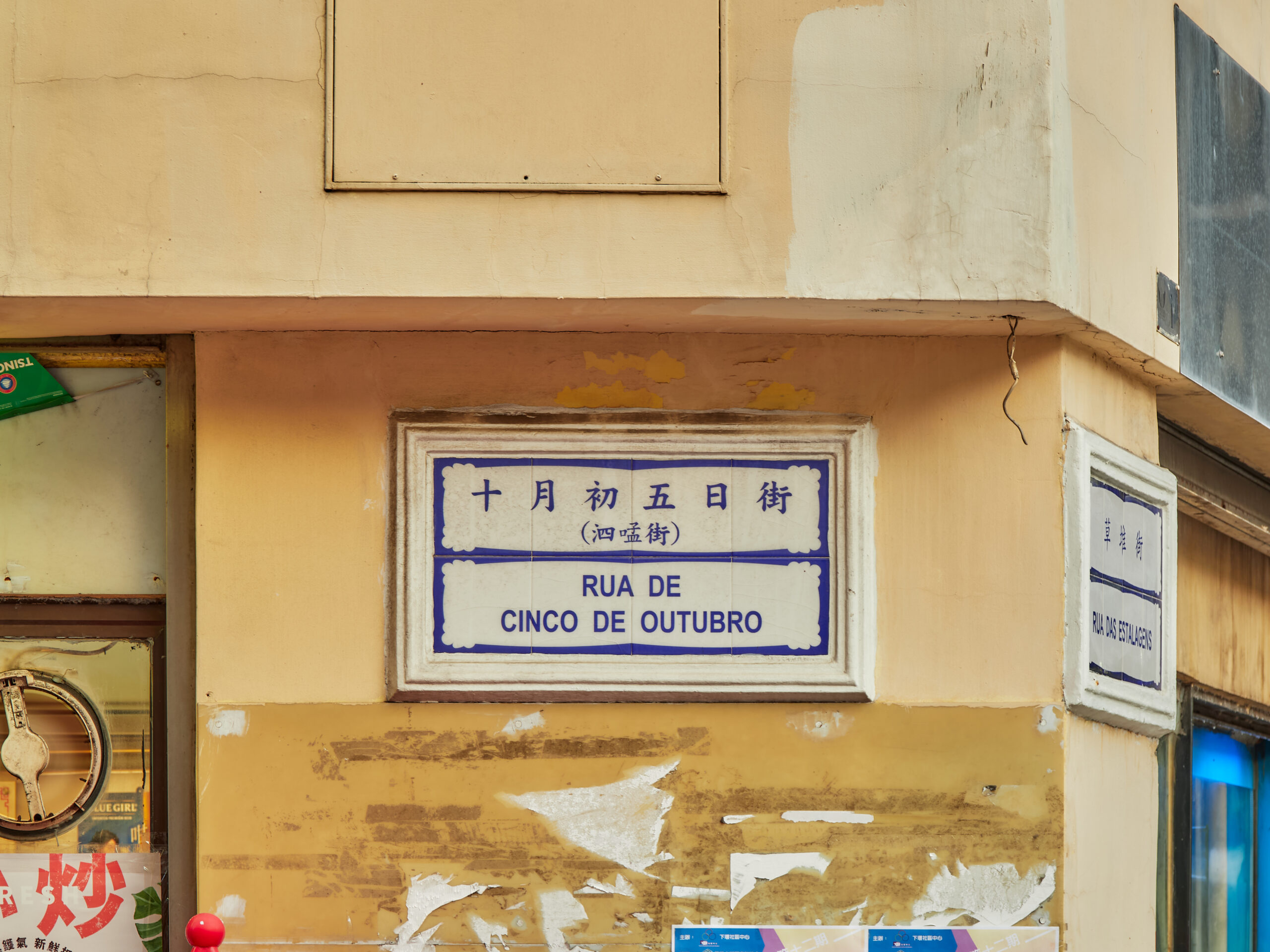
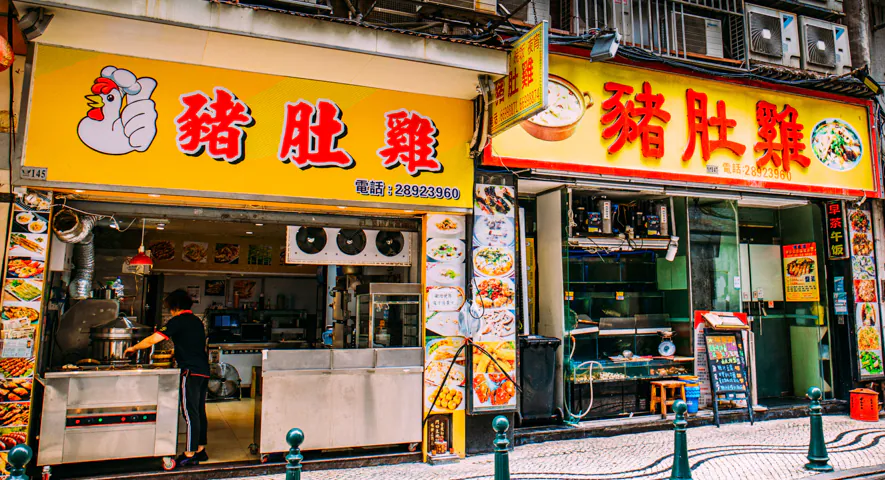
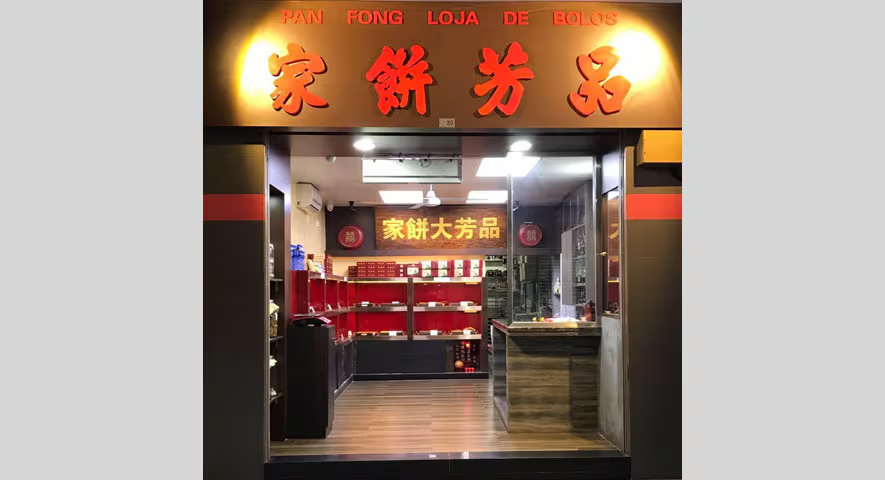
Rua de Cinco de Outubro was formerly known as Hai Iam Kai. In earlier times, it connected the area around Patane to Pak Ngan Tong and, due to its proximity to the ferry terminal and the Inner Harbour piers, was once one of the busiest commercial streets in central Macao. After Portugal became a republic following the 1910 Revolution, the Macao Portuguese authorities renamed the street in commemoration of that event, while “the Fifth Day” retained the Chinese way of expressing the date. As transport patterns and commercial conditions in the surrounding area later changed, the commercial centre gradually shifted elsewhere, but the street name and its waterfront memory still reflect the economic history of the Inner Harbour and the city’s urban transformation.
References:
Wang Wenda, Liu Xianbing, and Ng Wa Kai (2003). Anecdotes of Macao. Macao: Macao Education Press.
Sam Miu (2016). Arts and Culture Magazine, Issue 1, 2016, pp. 128–132. Macao: Macao Arts and Culture Magazine Society.
Leong Un Si (2025). The Architectural Traces of the Inner Harbour Arcades: The Century-Old Charm of Rua de Cinco de Outubro — A Dialogue of Memory from Waterfront to Commercial Street. Macao: Macao Memory.
Nearby Attractions
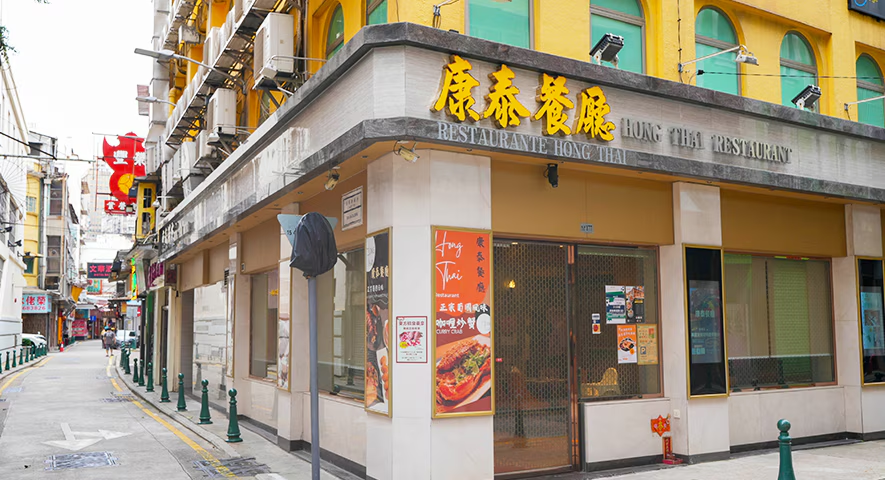
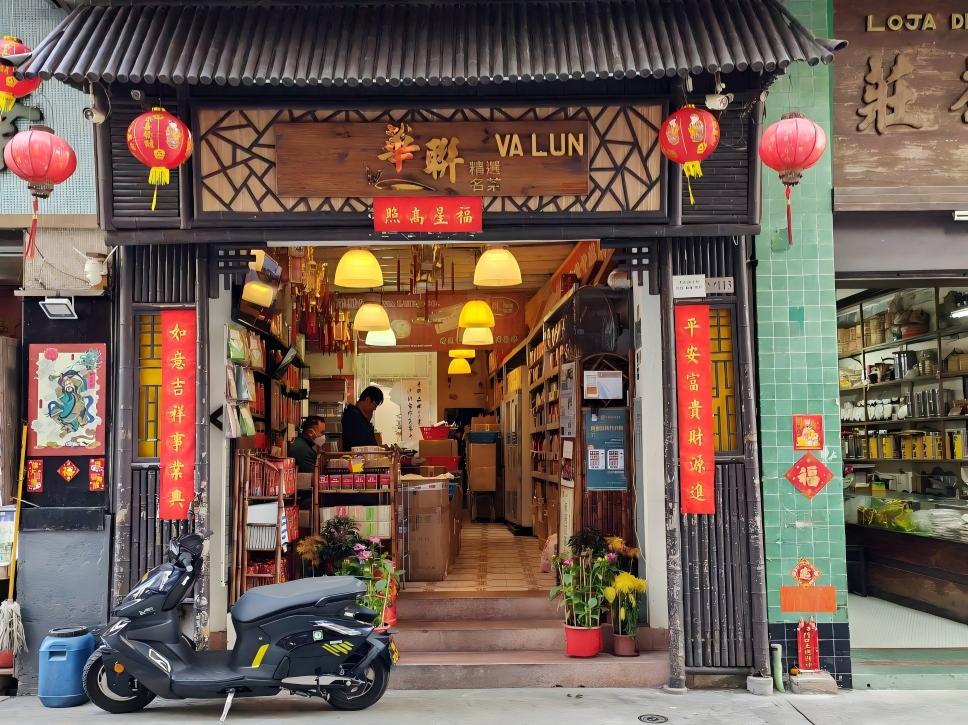
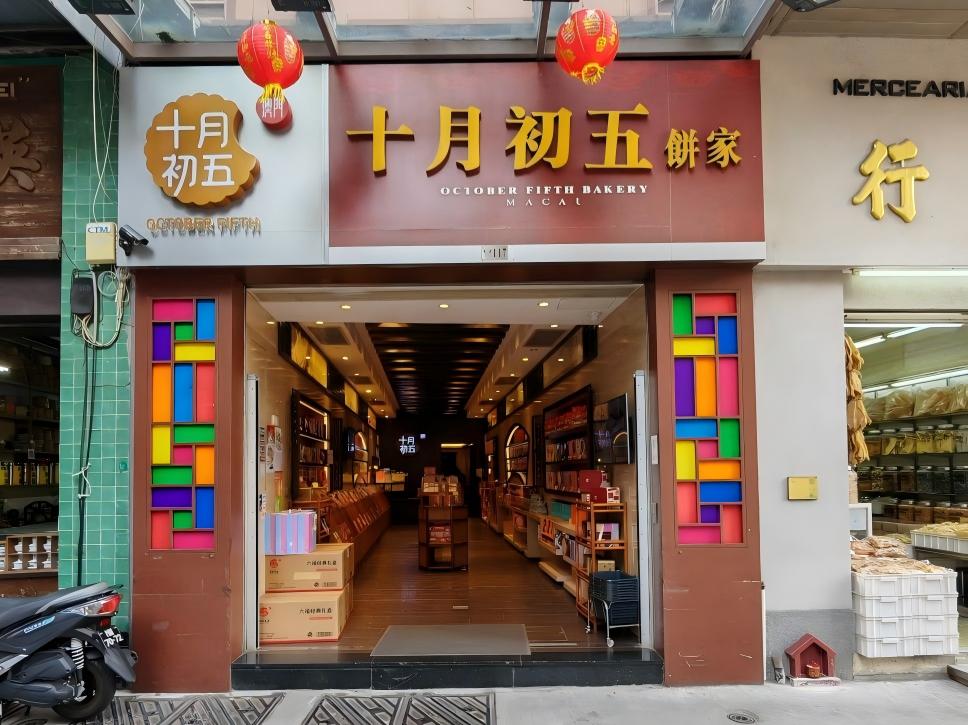
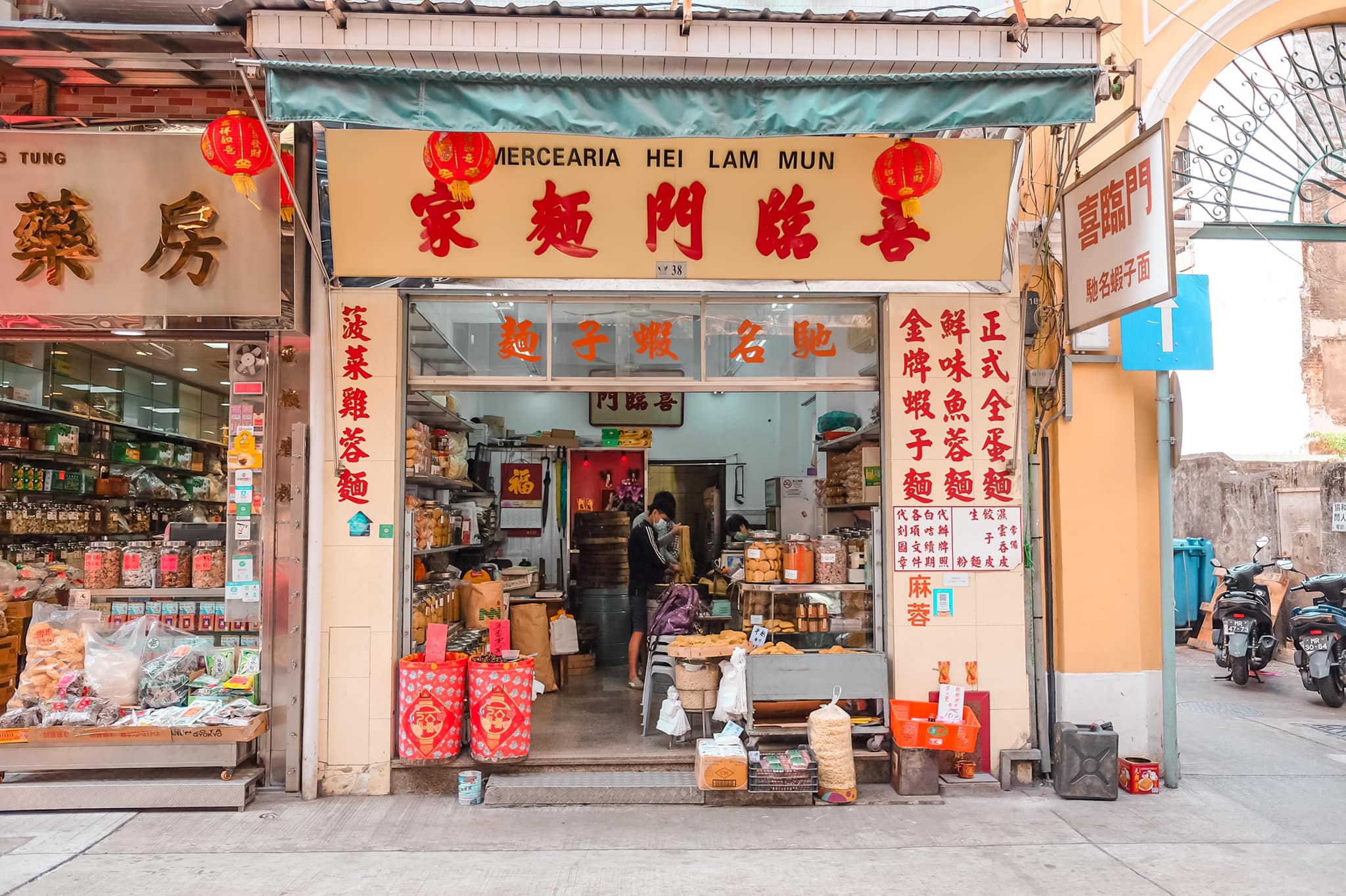
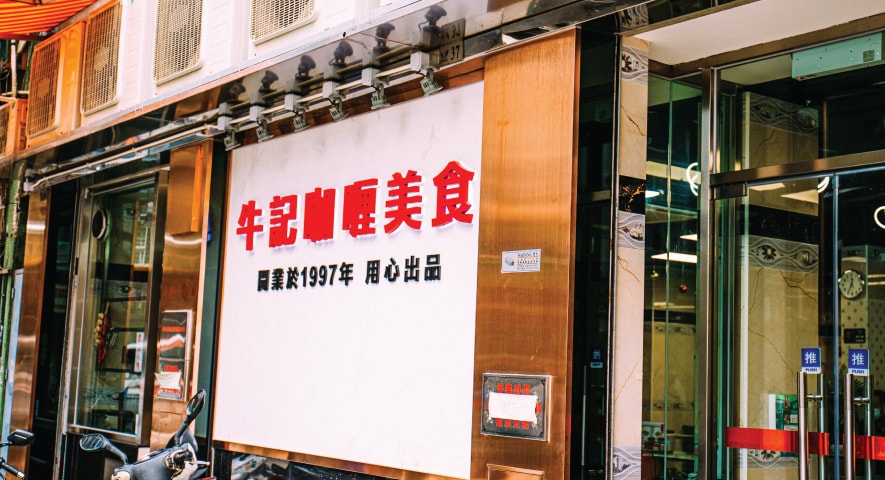
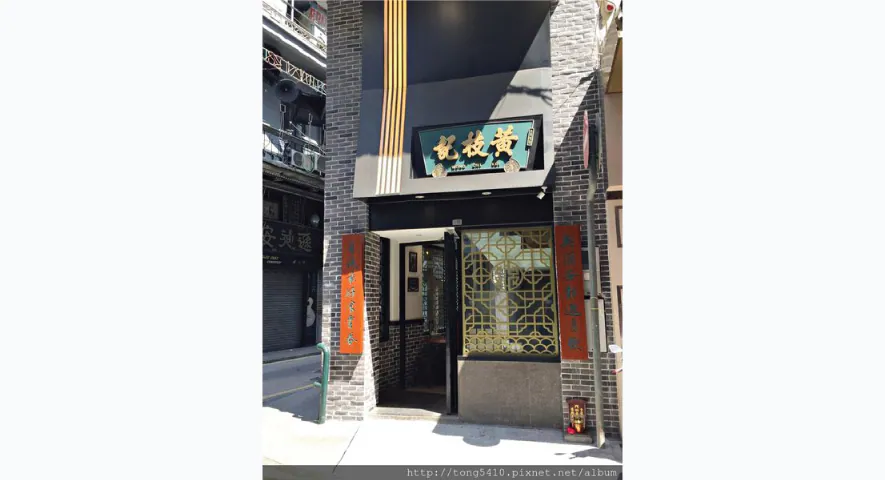
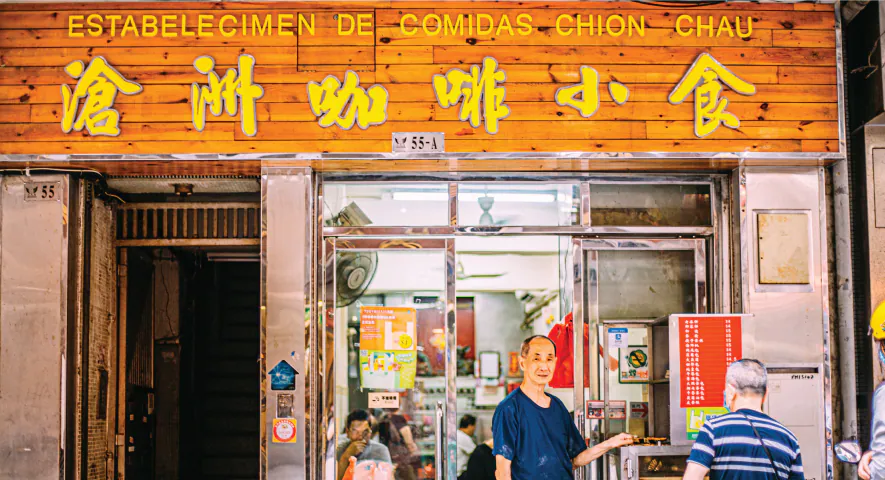
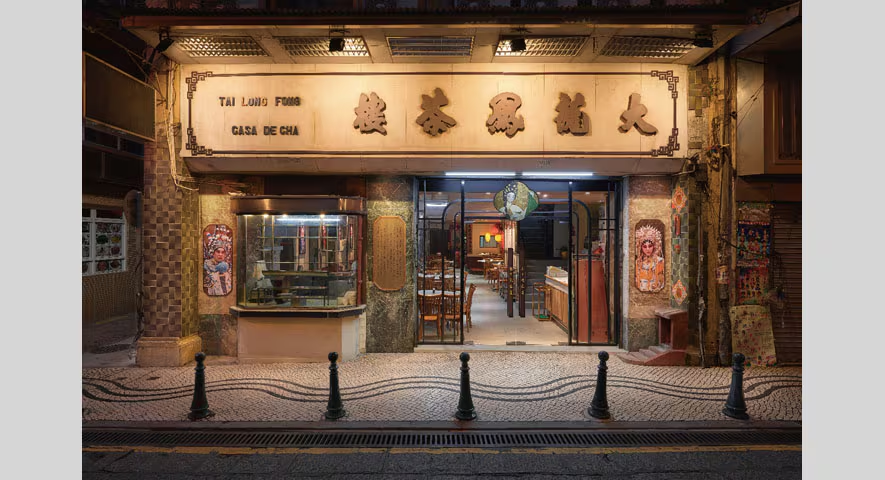
Nearby Businesses
Traffic Information
Nearby parking
Pak Leng, Pak Kong
Bus
18
11、21A、21AT、26A、26AT、33
2、3、3A、3X、5、6A、10、18、101X、N1B、N3
2、3A、5、10、11、21A、N3
3、3X、4、6A、8A、18A、19、26A、33、101X、N1A
1、2、3A、5、10、16、16S、11、21A、26、MT4、N3
1、3、3X、6A、16、16S、26、26A、33、61、101X、MT4
11、3、3X、6A、18A、19、61、MT4、4、8A、18B、26、26A、33、101X、N1A
Pier 12A and Pier 14 at the Inner Harbour
Pier 12A and Pier 14 at the Inner Harbour
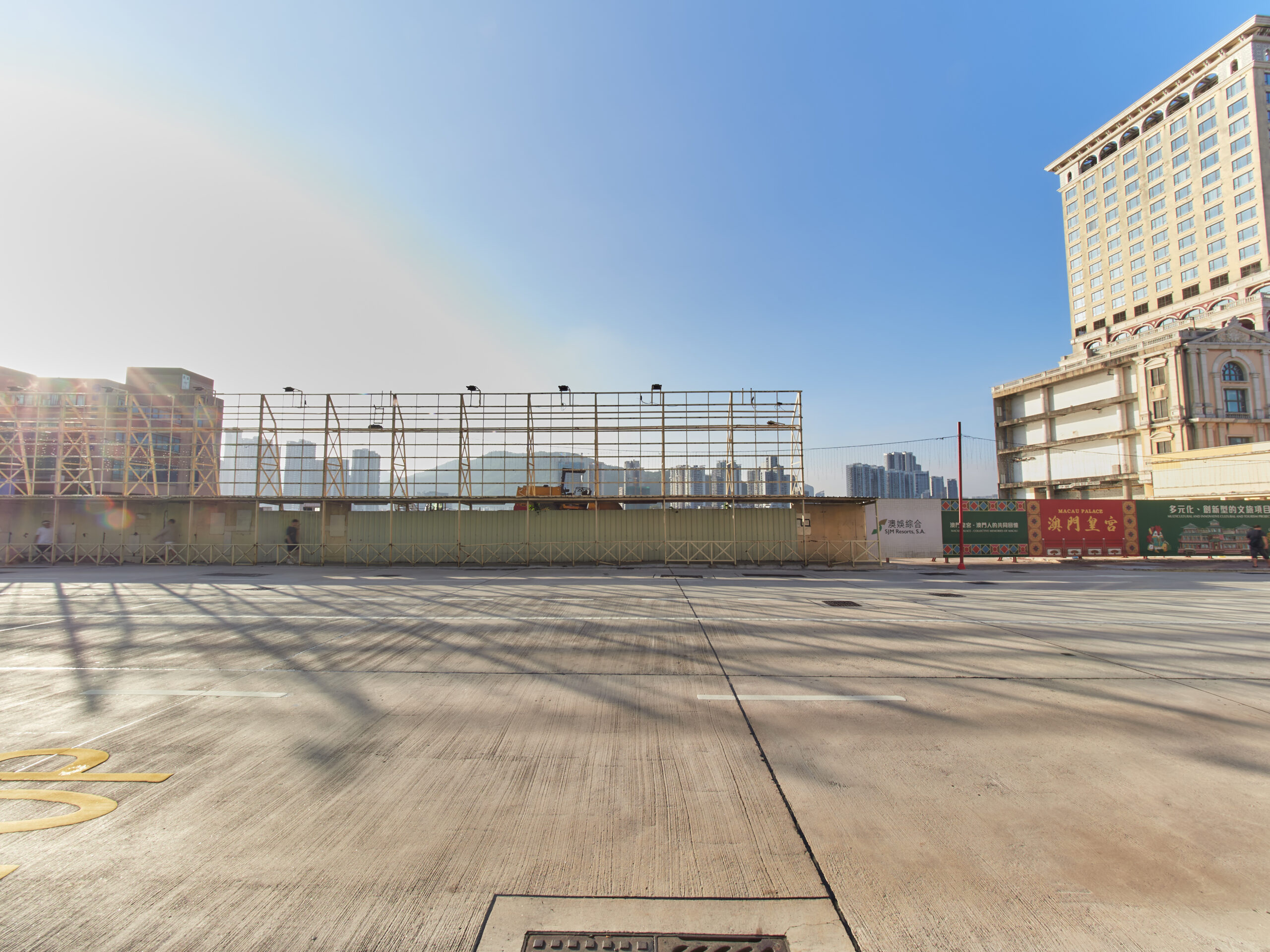
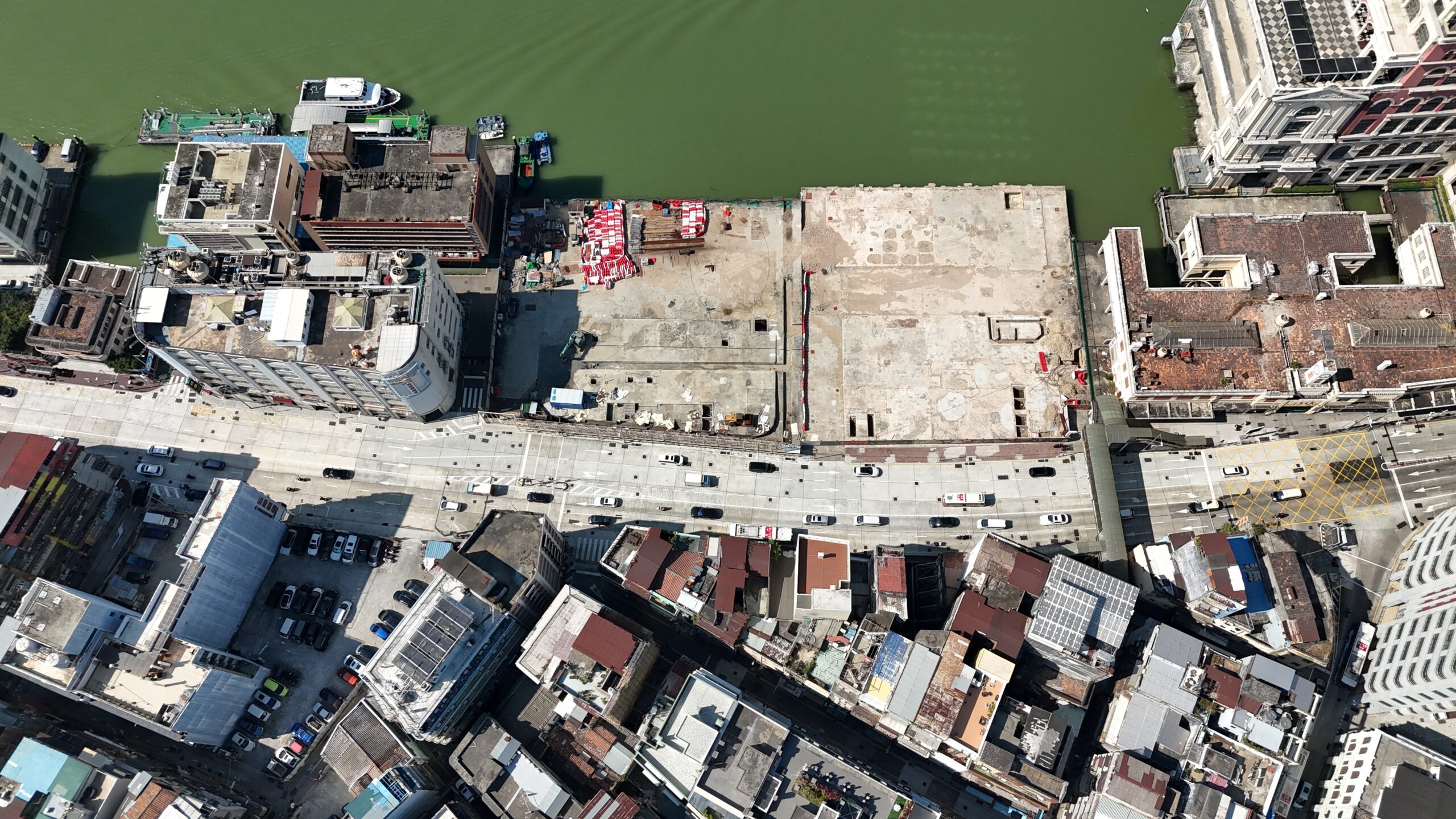
Area Introduction
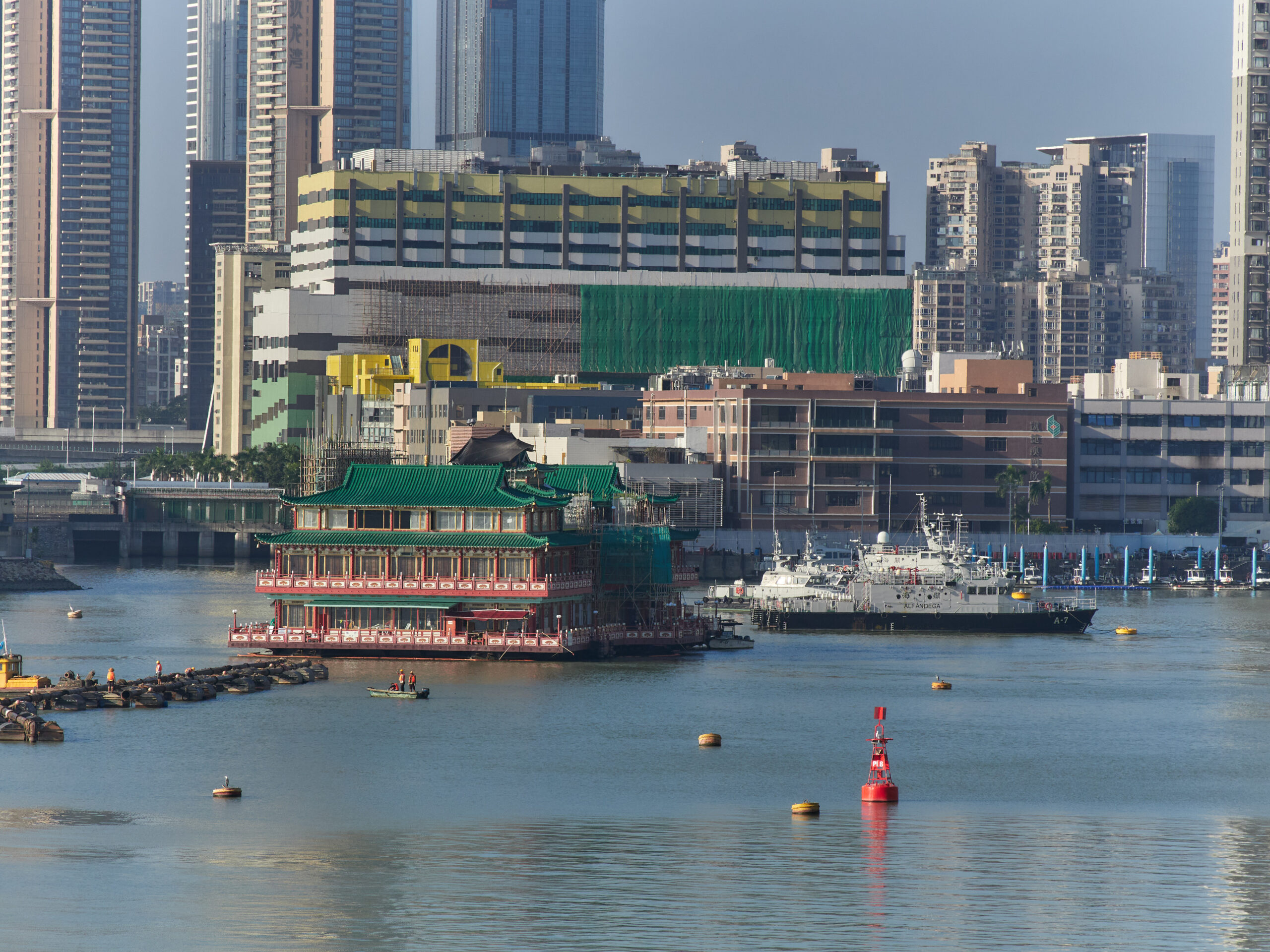
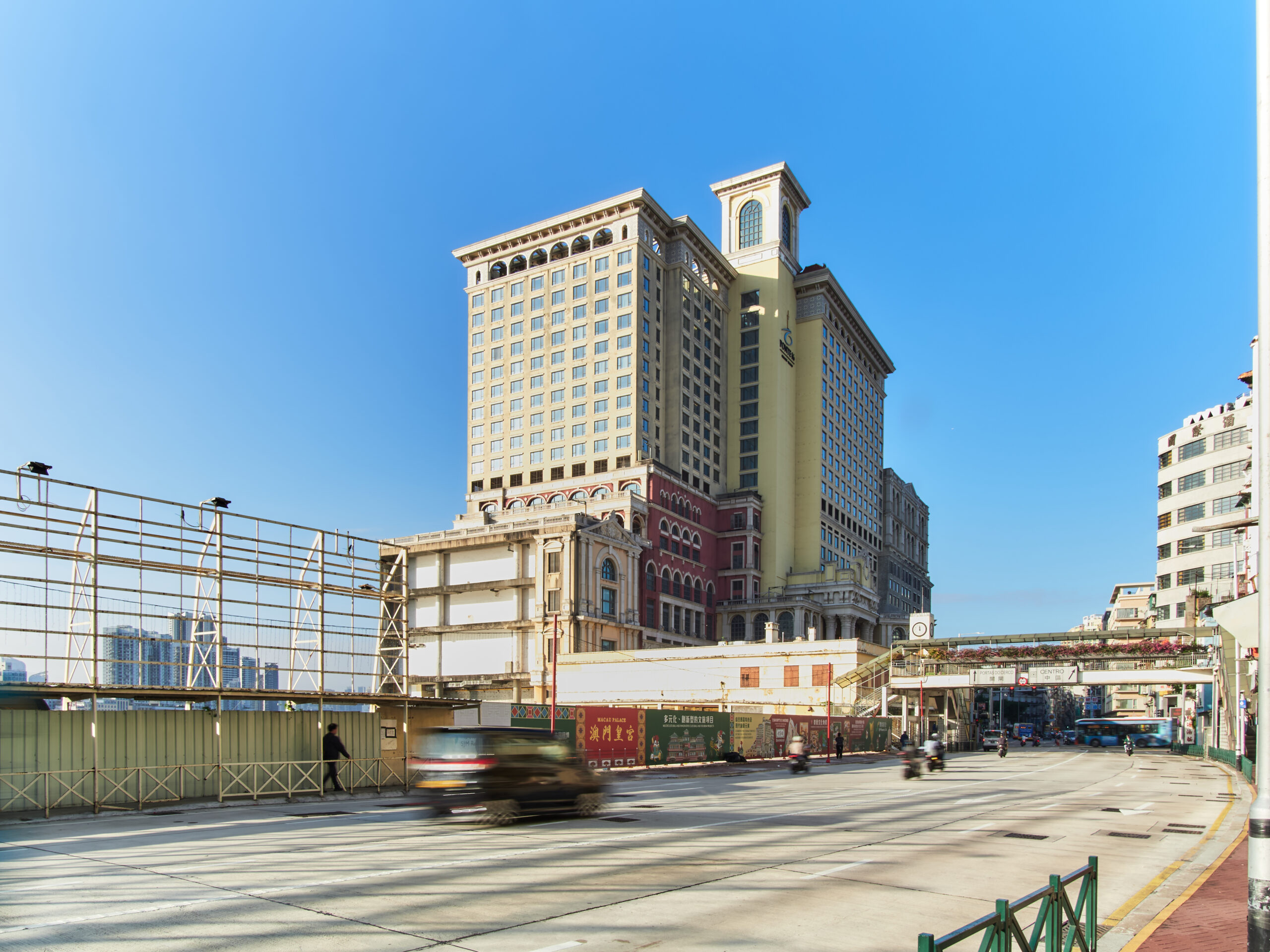
The Inner Harbour waterfront originated from land reclamation and harbour construction works during the Portuguese administration of Macao. Sea areas such as North Bay and Shallow Bay were gradually turned into land, while the widened embankments became coastal roads, helping connect areas such as Ilha Verde and Toi San and supporting urban expansion. Around the piers, a streetscape of arcade shophouses with both commercial and residential functions once took shape, gathering inns, fishing supply businesses, and waterfront trading activities.
In 2023, the government, through cross-departmental collaboration and together with SJM Resorts, S.A., launched the “Avenida de Almeida Ribeiro District Revitalisation Plan,” which proposed restoring the Macao Palace and relocating it back to Pier 14, whilst introducing dining, retail and interactive experiences to breathe new life into the area. The Macao Palace was the only entertainment venue in Macao set on a ship, commonly known as a “casino boat.” It operated at Inner Harbour Pier No. 12B in 1962, was moved to the Outer Harbour in 1999, and suspended operations in 2007.
References:
So Wai Tou (December 2009). Macao Architecture, Issue 14, pp. 48–53. Macao: Macao Foundation; Hong Kong: Joint Publishing (H.K.) Co., Ltd.
Ho Pui Kei (September–November 2010). Macao Architecture, Issue 16, pp. 33–35. Macao: Macao Foundation; Hong Kong: Joint Publishing (H.K.) Co., Ltd.
Lou Ka U (2017). The Architectural Traces of the Inner Harbour Arcades. Macao: Old City · Memories personal blog.
Nearby Attractions
Traffic Information
Nearby parking
Pak Leng, Pak Kong
Bus
18
11、21A、21AT、26A、26AT、33
2、3、3A、3X、5、6A、10、18、101X、N1B、N3
2、3A、5、10、11、21A、N3
3、3X、4、6A、8A、18A、19、26A、33、101X、N1A
1、2、3A、5、10、16、16S、11、21A、26、MT4、N3
1、3、3X、6A、16、16S、26、26A、33、61、101X、MT4
11、3、3X、6A、18A、19、61、MT4、4、8A、18B、26、26A、33、101X、N1A
Pier 23 and Pier 25 at the Inner Harbour
Pier 23 and Pier 25 at the Inner Harbour
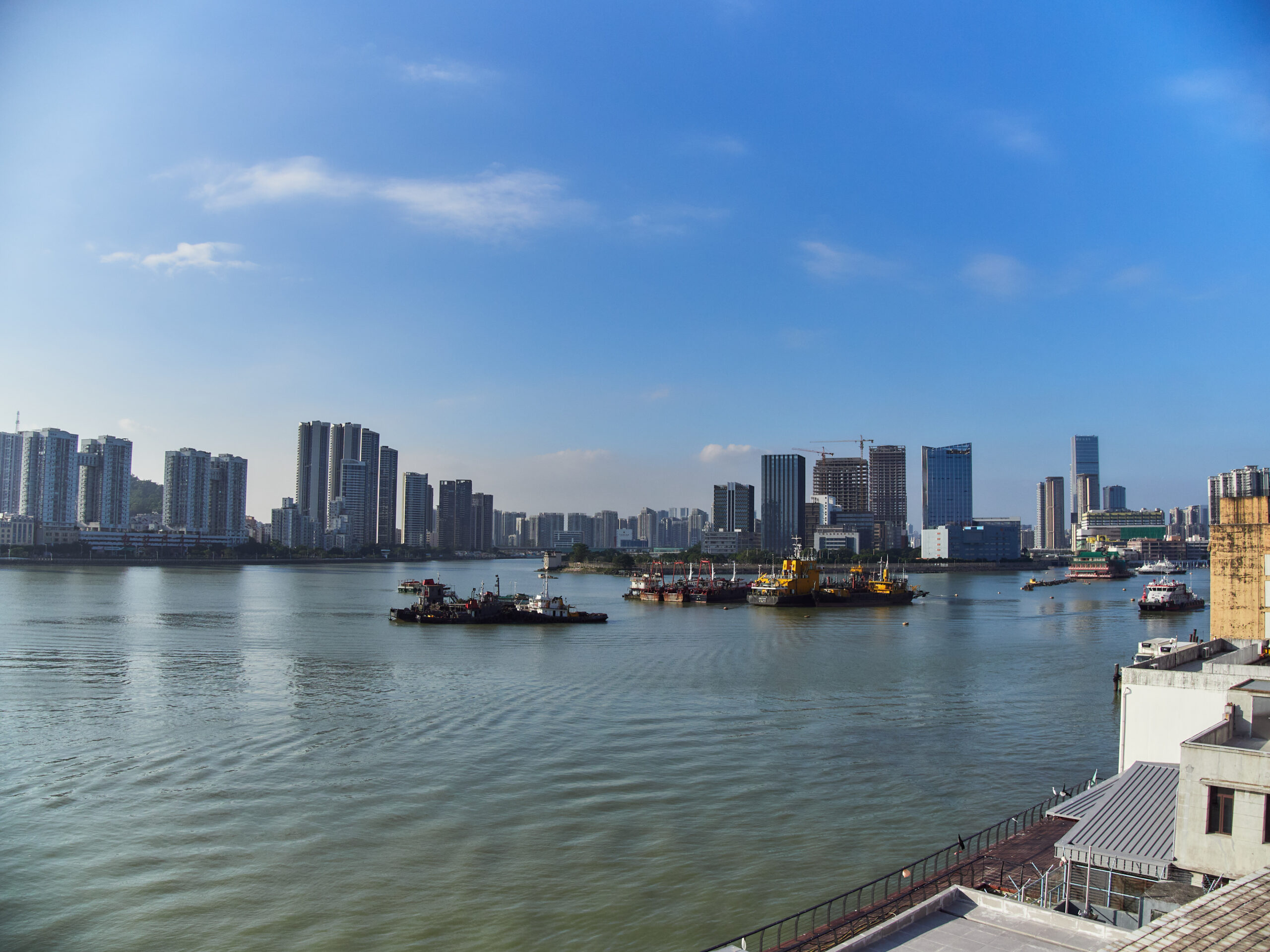
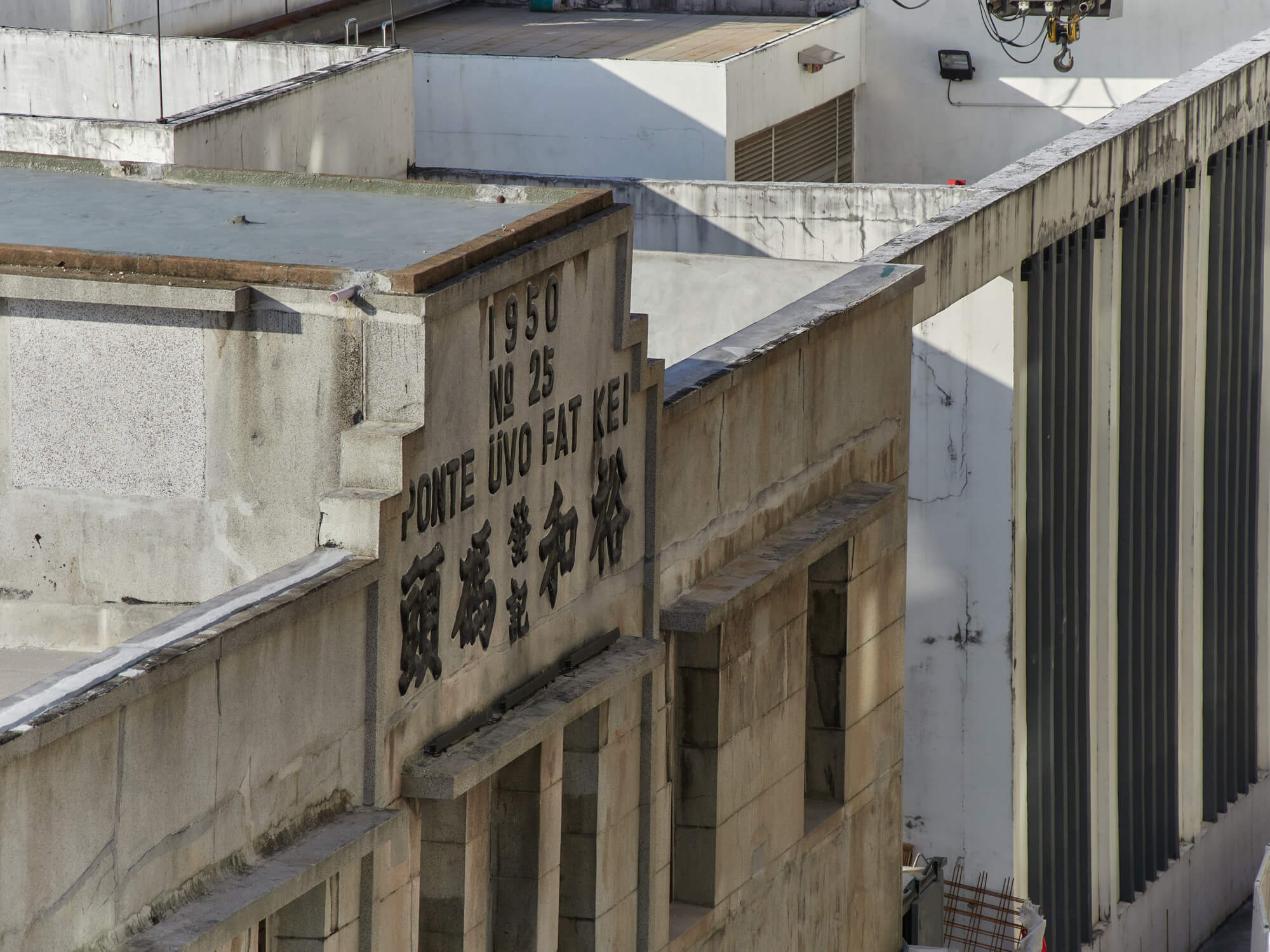
Area Introduction
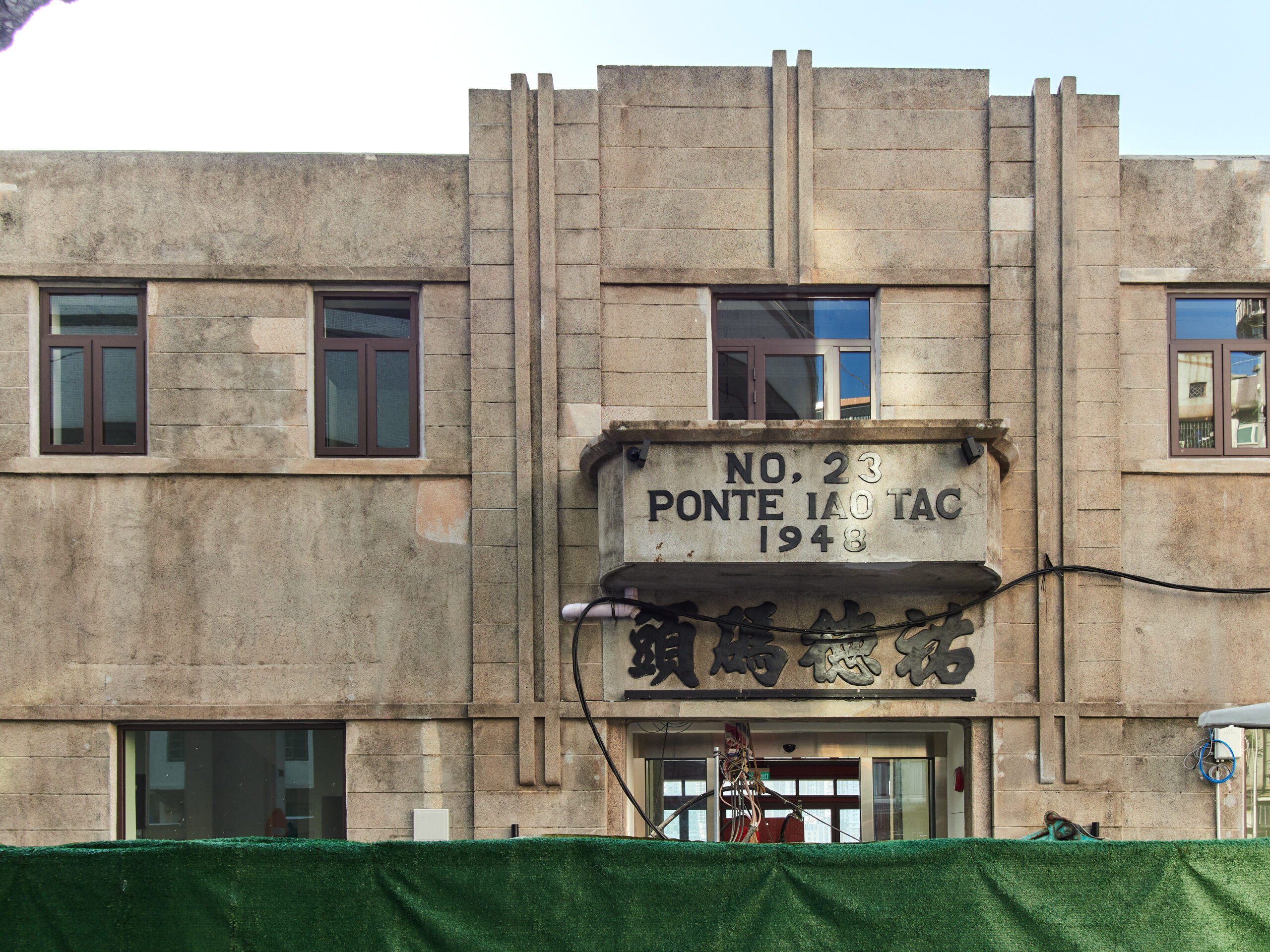
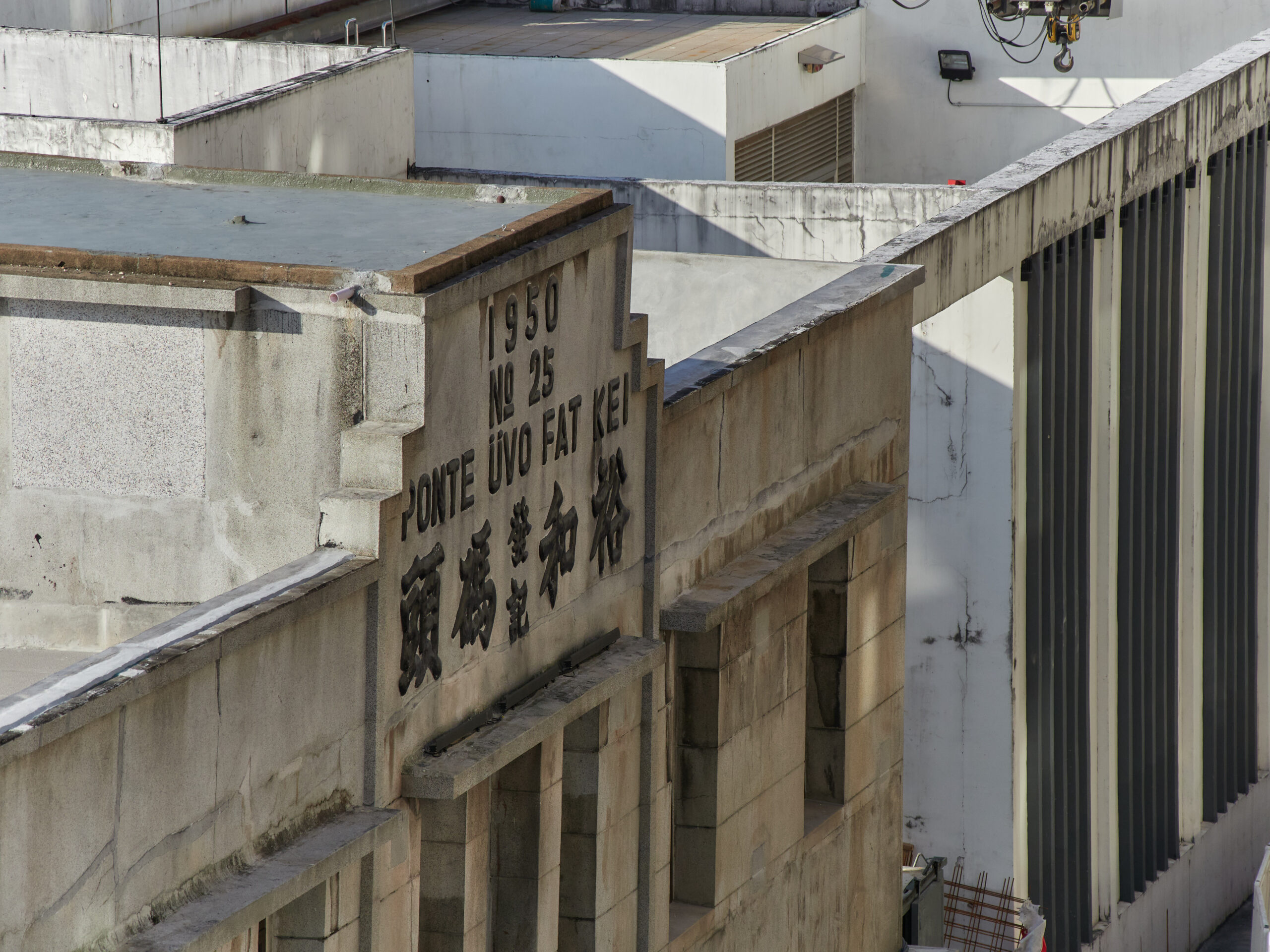
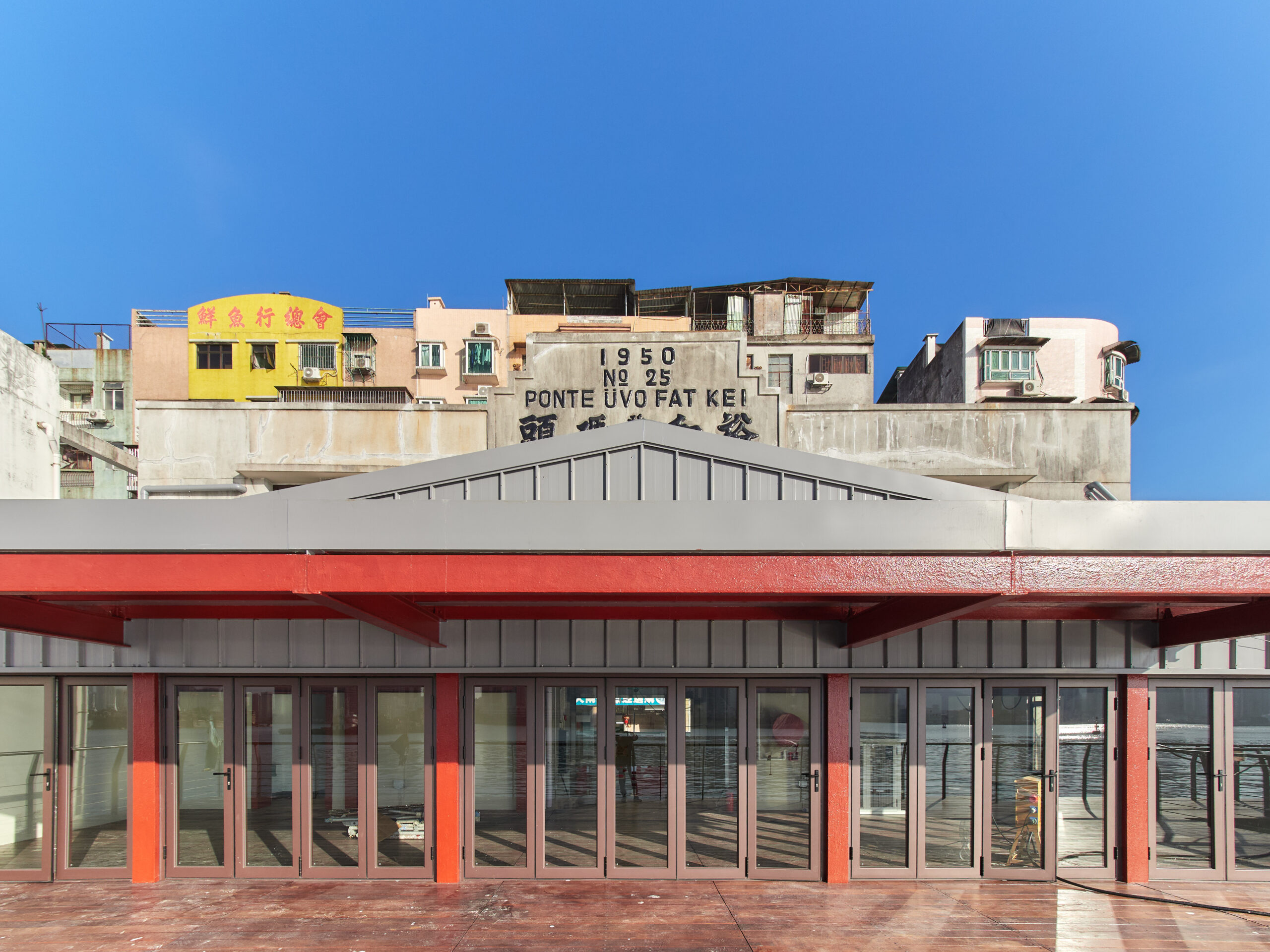
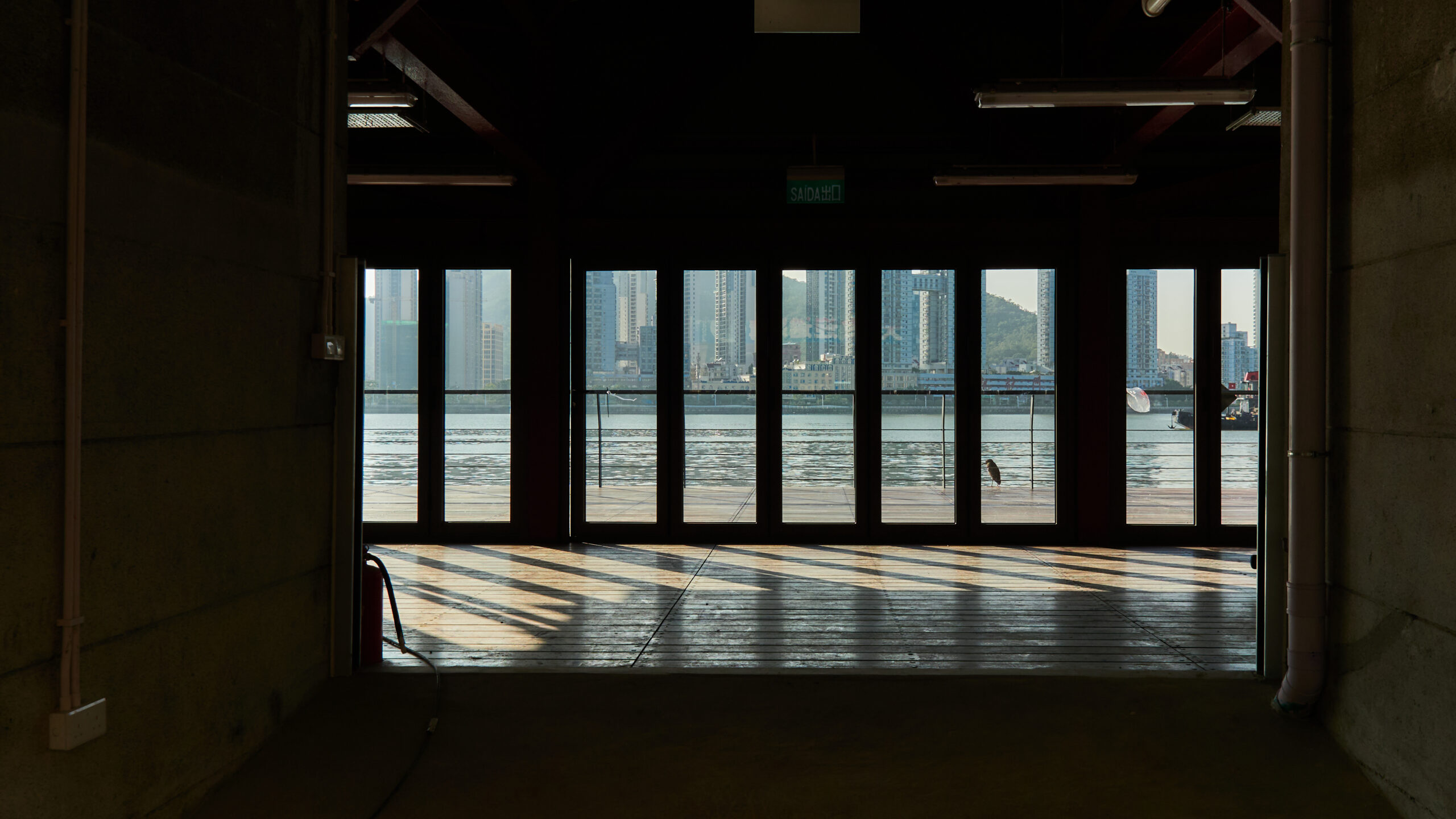
In its early days, the Inner Harbour mainly consisted of wooden pier-style wharves. By the late 1930s, with widening plans and land reclamation creating new land, new building-type piers were gradually constructed, equipped with warehouses and office space to improve the efficiency of passenger and cargo transport. Pier No. 23 (Iao Tak Pier) and Pier No. 25 (Yu Wo Pier) are representative examples of the new-style Inner Harbour piers built in the 1940s and 1950s. Featuring Art Deco elements and a simple symmetrical layout, they bear witness to Macao’s role at the time as a gateway for external transport and to the meeting of Chinese and Western architectural aesthetics.
References:
Loi Chak Keong (n.d.). Macao Magazine, Issue 160. Macao: Government Information Bureau of the Macao SAR Government.
Nearby Attractions
Traffic Information
Nearby parking
Pak Leng, Pak Kong
Bus
18
11、21A、21AT、26A、26AT、33
2、3、3A、3X、5、6A、10、18、101X、N1B、N3
2、3A、5、10、11、21A、N3
3、3X、4、6A、8A、18A、19、26A、33、101X、N1A
1、2、3A、5、10、16、16S、11、21A、26、MT4、N3
1、3、3X、6A、16、16S、26、26A、33、61、101X、MT4
11、3、3X、6A、18A、19、61、MT4、4、8A、18B、26、26A、33、101X、N1A
Former Iec Long Firecracker Factory and Lai Chi Vun Shipyards
Former Iec Long Firecracker Factory is a well-preserved firecracker industrial site in Macau. It reflects the prosperity of the city’s traditional firecracker industry in the twentieth century. Lai Chi Vun Shipyards preserve wooden slipways, docks, and a craftsmen’s community, serving as a living testament to shipbuilding culture. Both areas possess a substantial spatial scale, deep collective memories, and strong cultural significance.
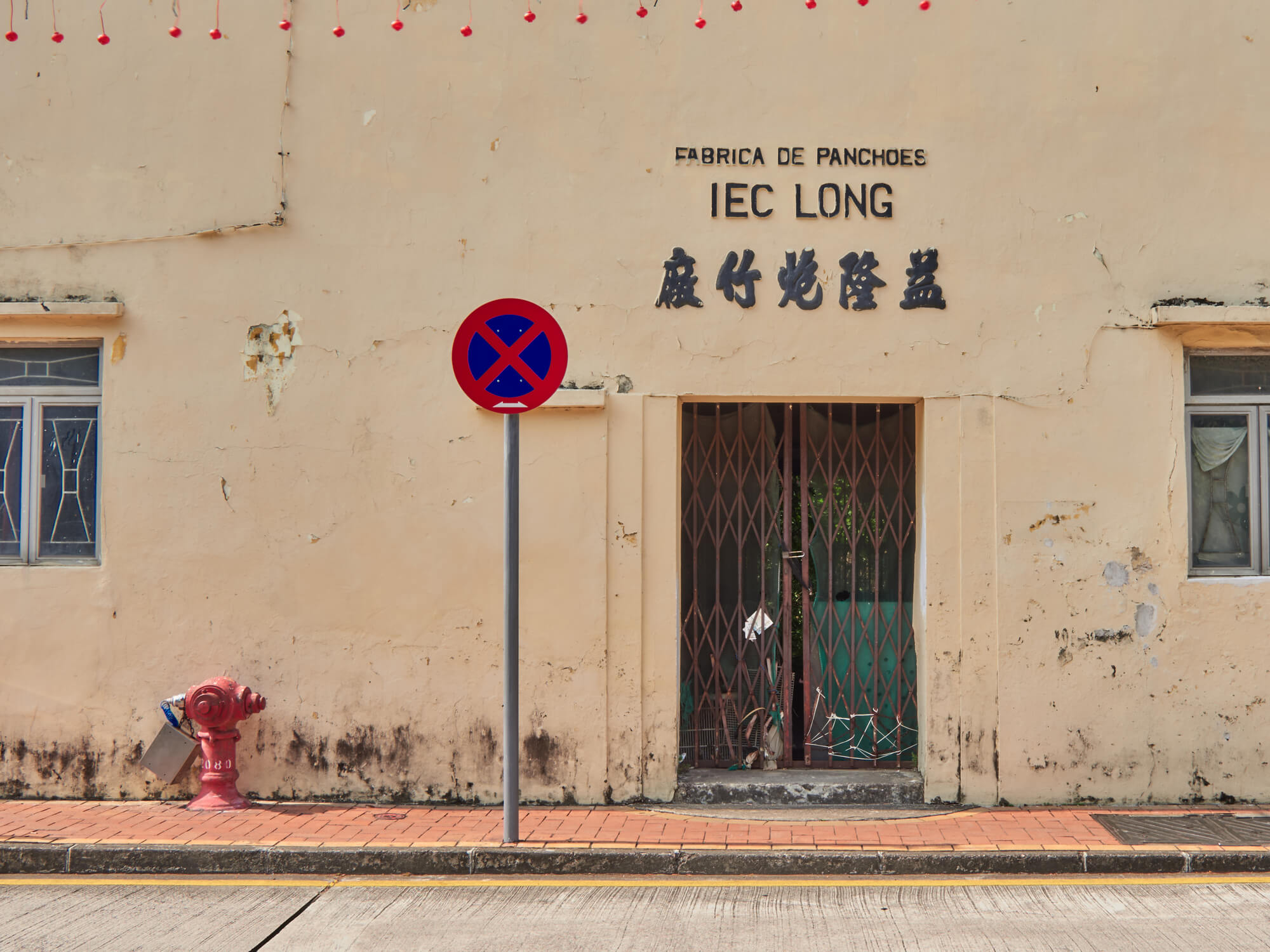
Former Iec Long Firecracker Factory
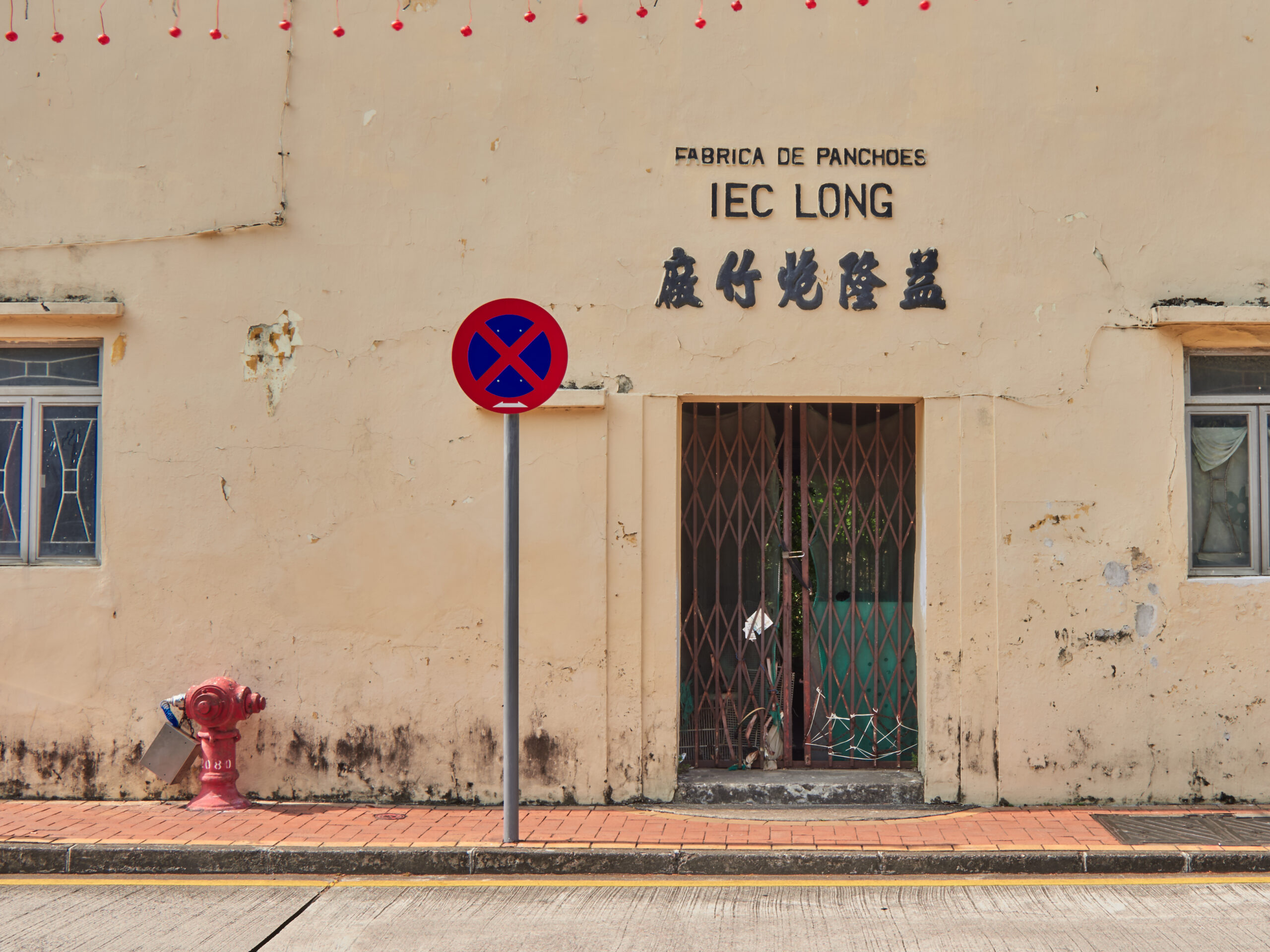
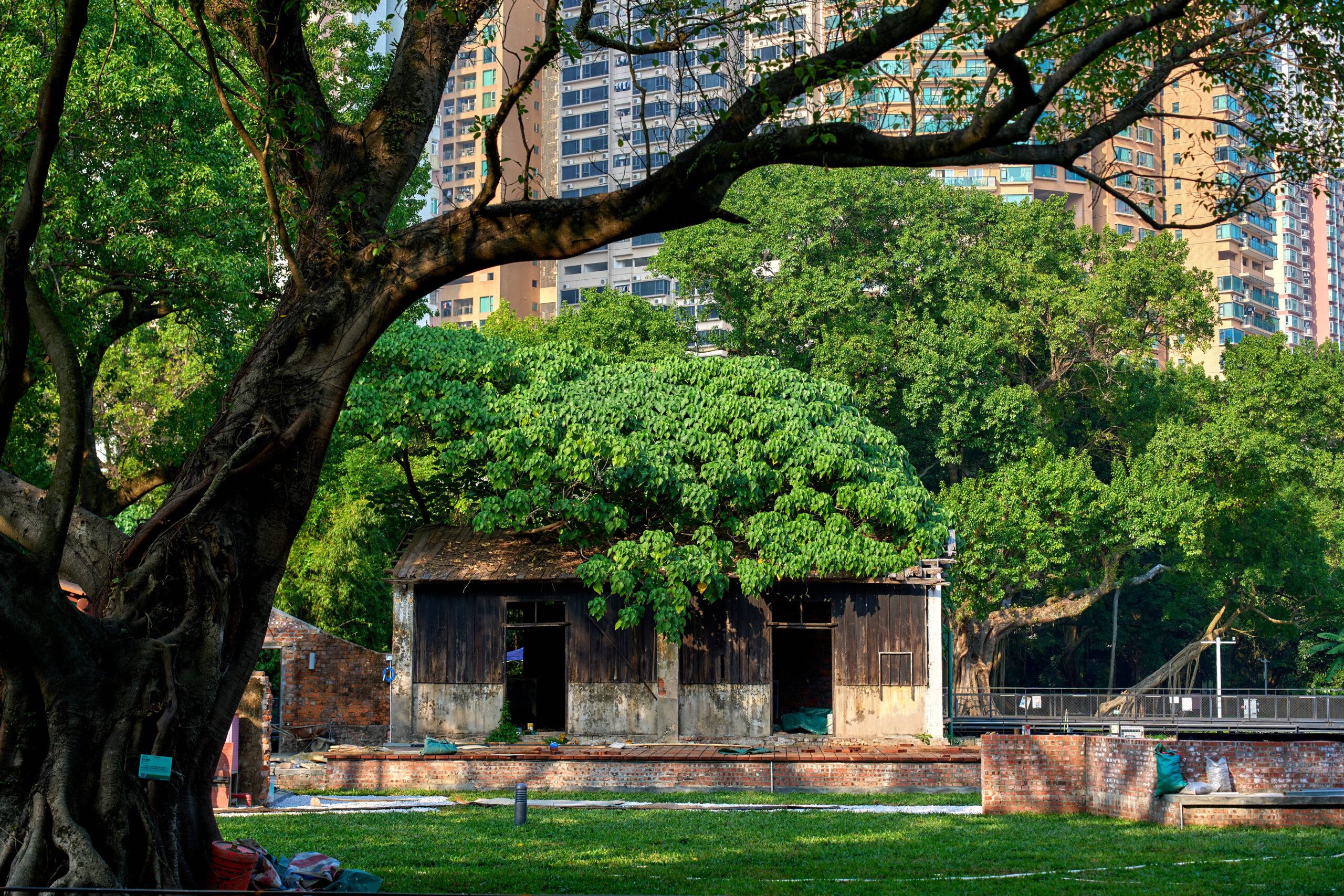
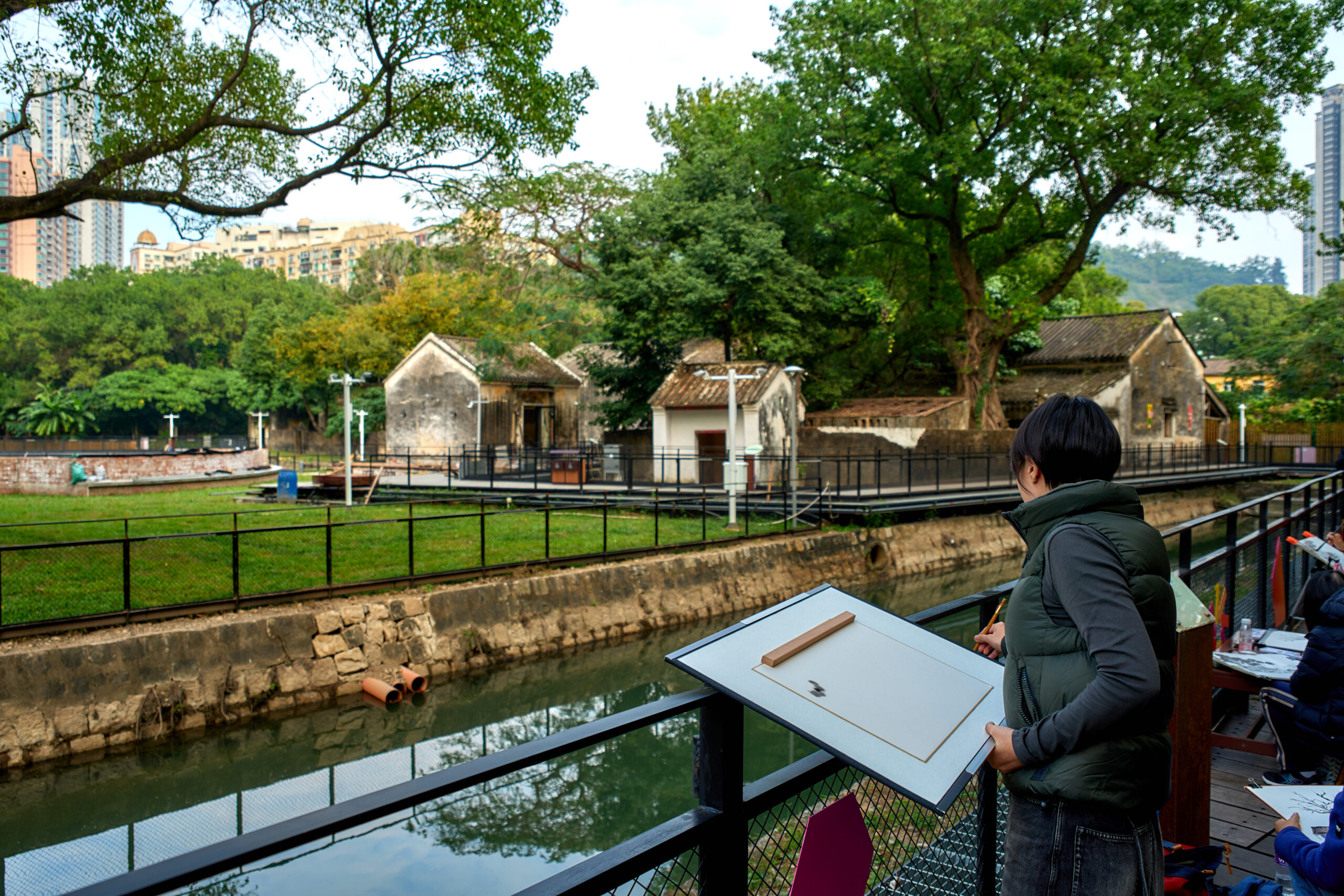
Former Iec Long Firecracker Factory
Area Introduction
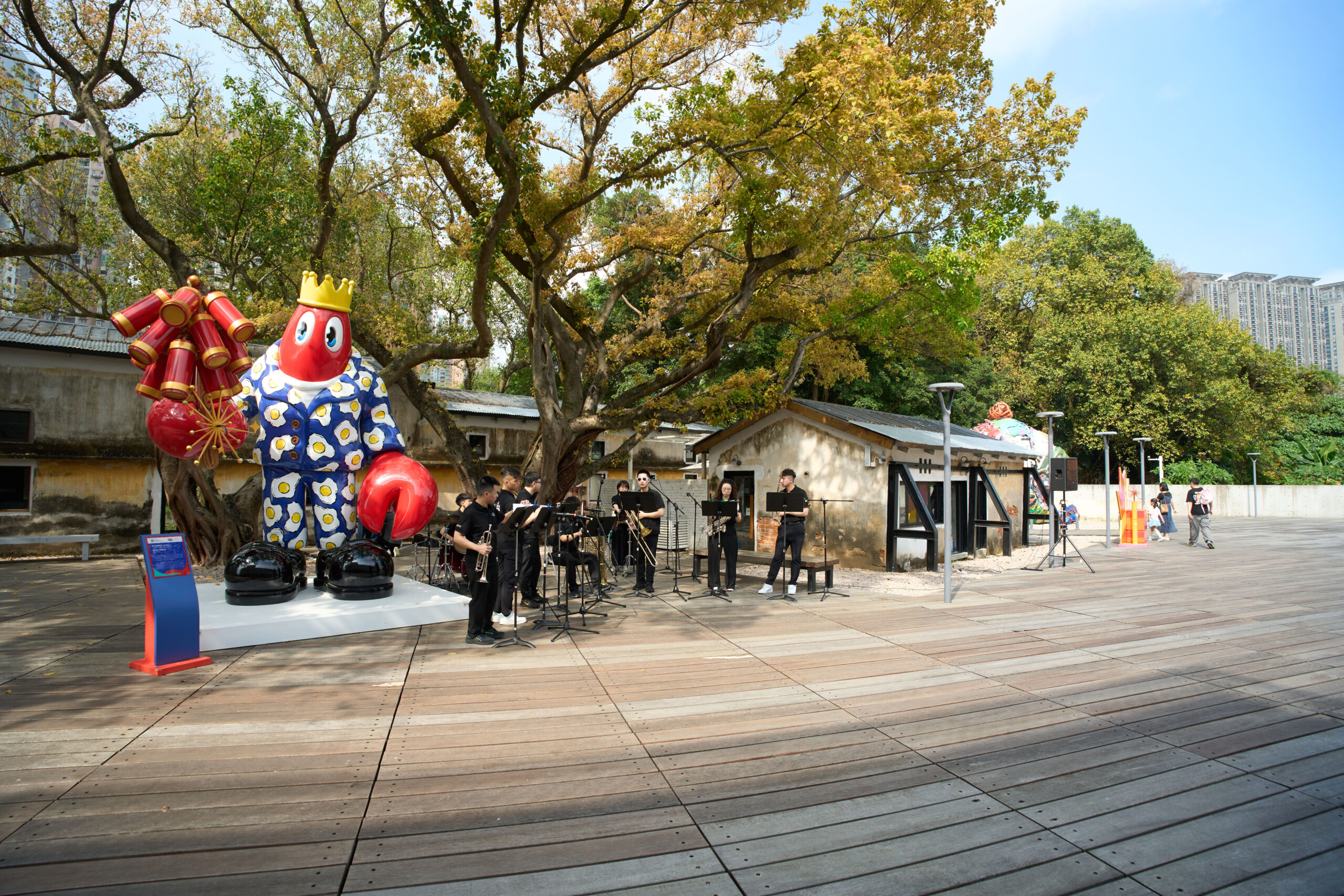
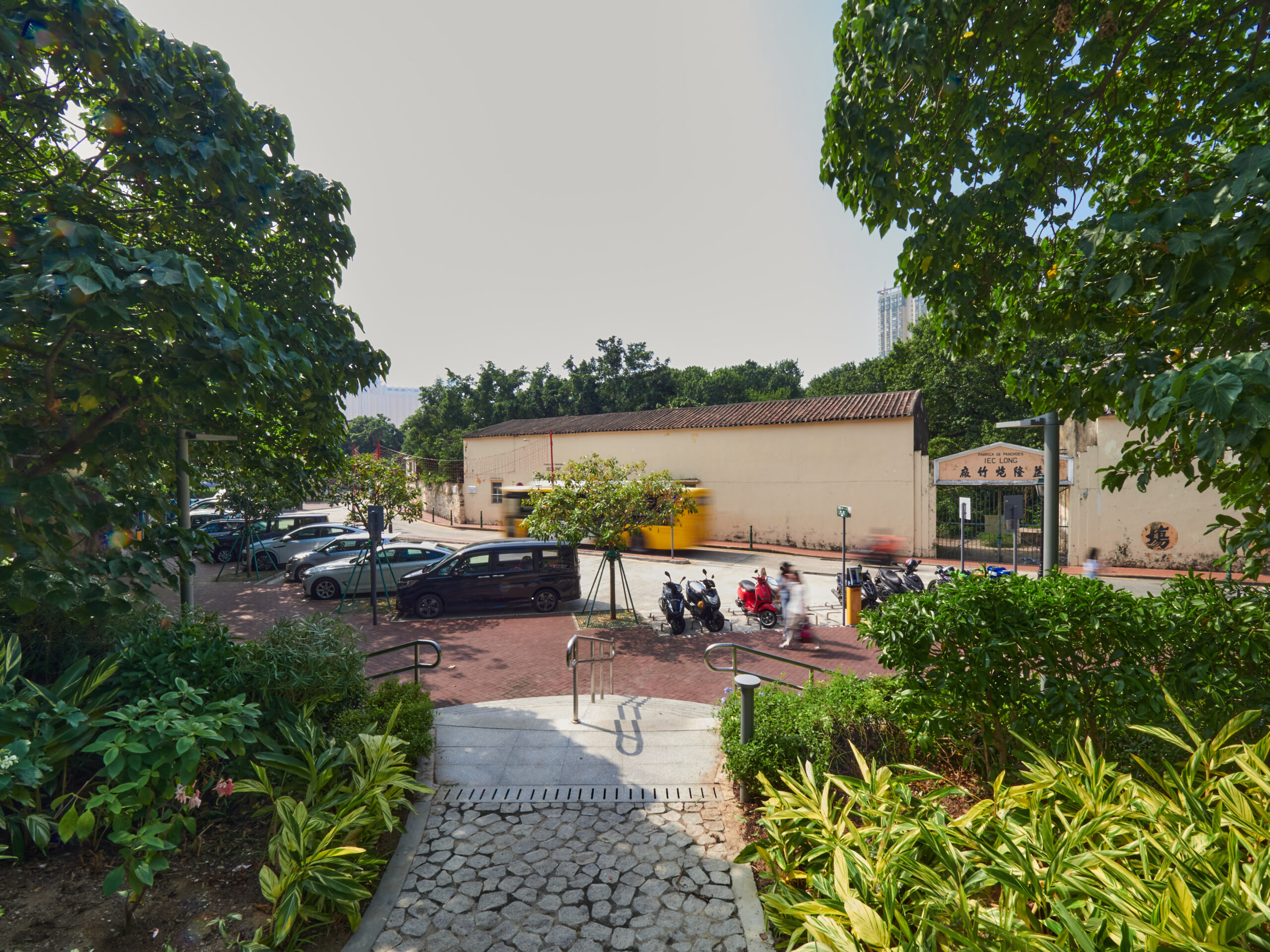
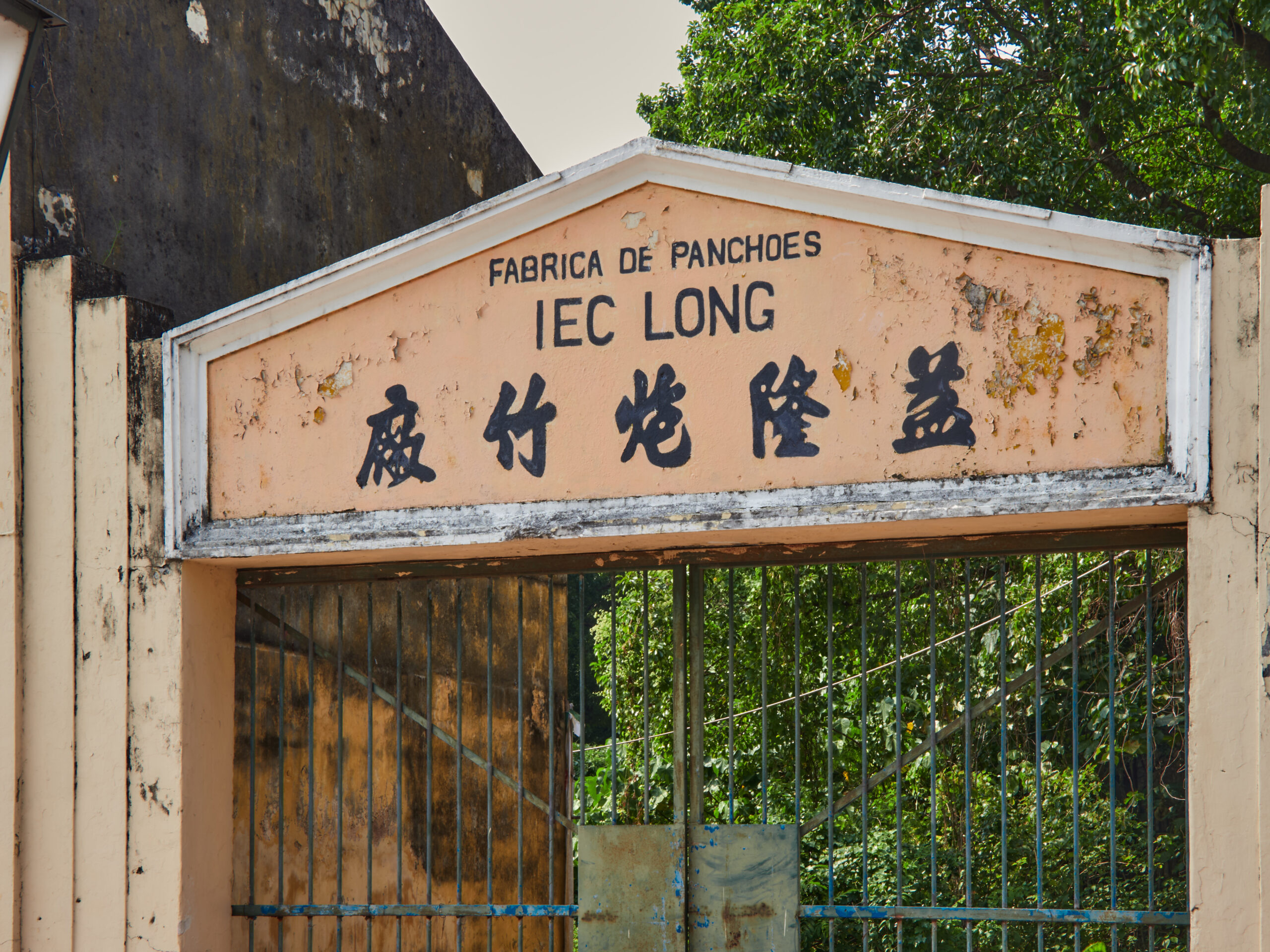
The Iec Long Firecracker Factory is located in the area of Rua do Regedor in Taipa. It was granted approval to establish a factory in Taipa in the 1920s, bearing witness to the development of local handicrafts and the formation of the surrounding community. The firecracker industry was once one of Macao’s major export sectors, alongside incense sticks and matches, employing large numbers of workers and supporting the growth of nearby living facilities. However, due to the hazardous production process, frequent accidents, and changes in market conditions and policy, the factory ceased operations in the early 1980s, and the site remained abandoned for many years, becoming an “urban forest.” In 2022, the government completed revitalisation works on the Iec Long Firecracker Factory site, which was officially opened to the public on 23 December of the same year.
References:
Chan Wai Hang (May 2009). Island Echoes (Inaugural Issue). Macao: Taipa and Coloane History Museum, Civic and Municipal Affairs Bureau.
Lai Hung Kin (2013). The Firecracker Industry in Taipa. Macao: Cultural Affairs Bureau of Macao.
Lou Ka U (2013). Iec Long Firecracker Factory Ruins: Macao’s Last Firecracker Industry Site. Macao: Old City · Memories personal blog.
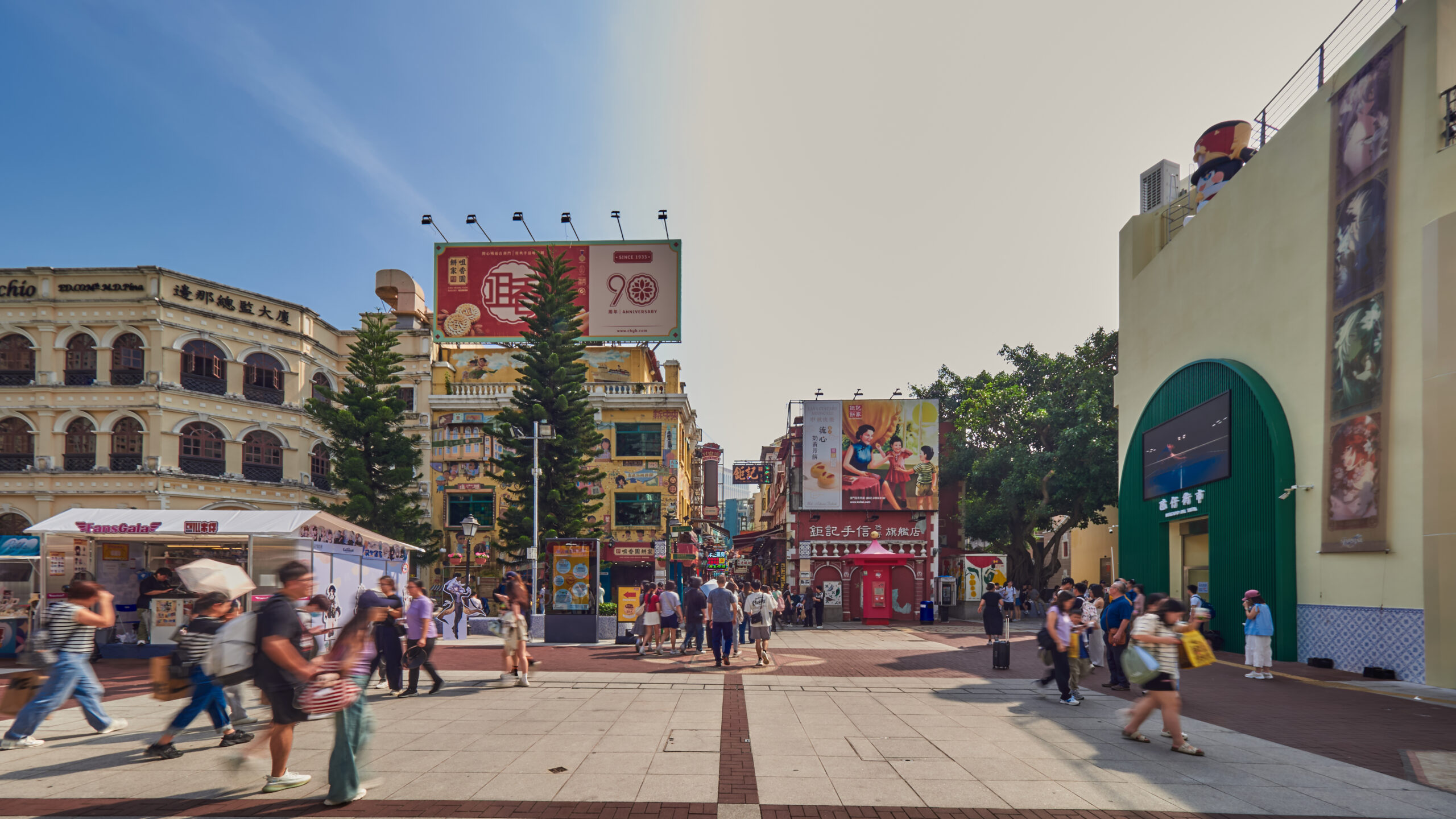
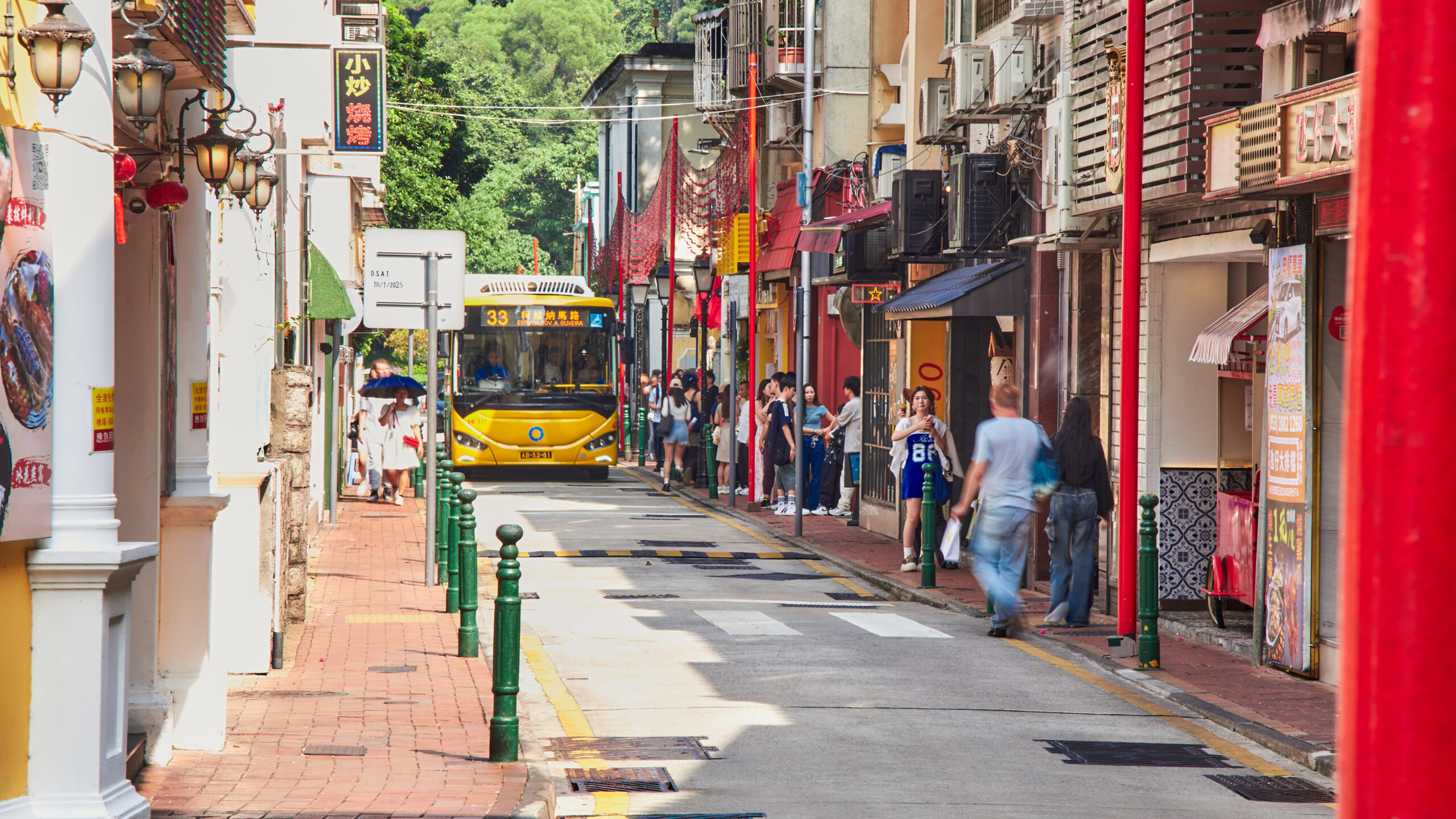
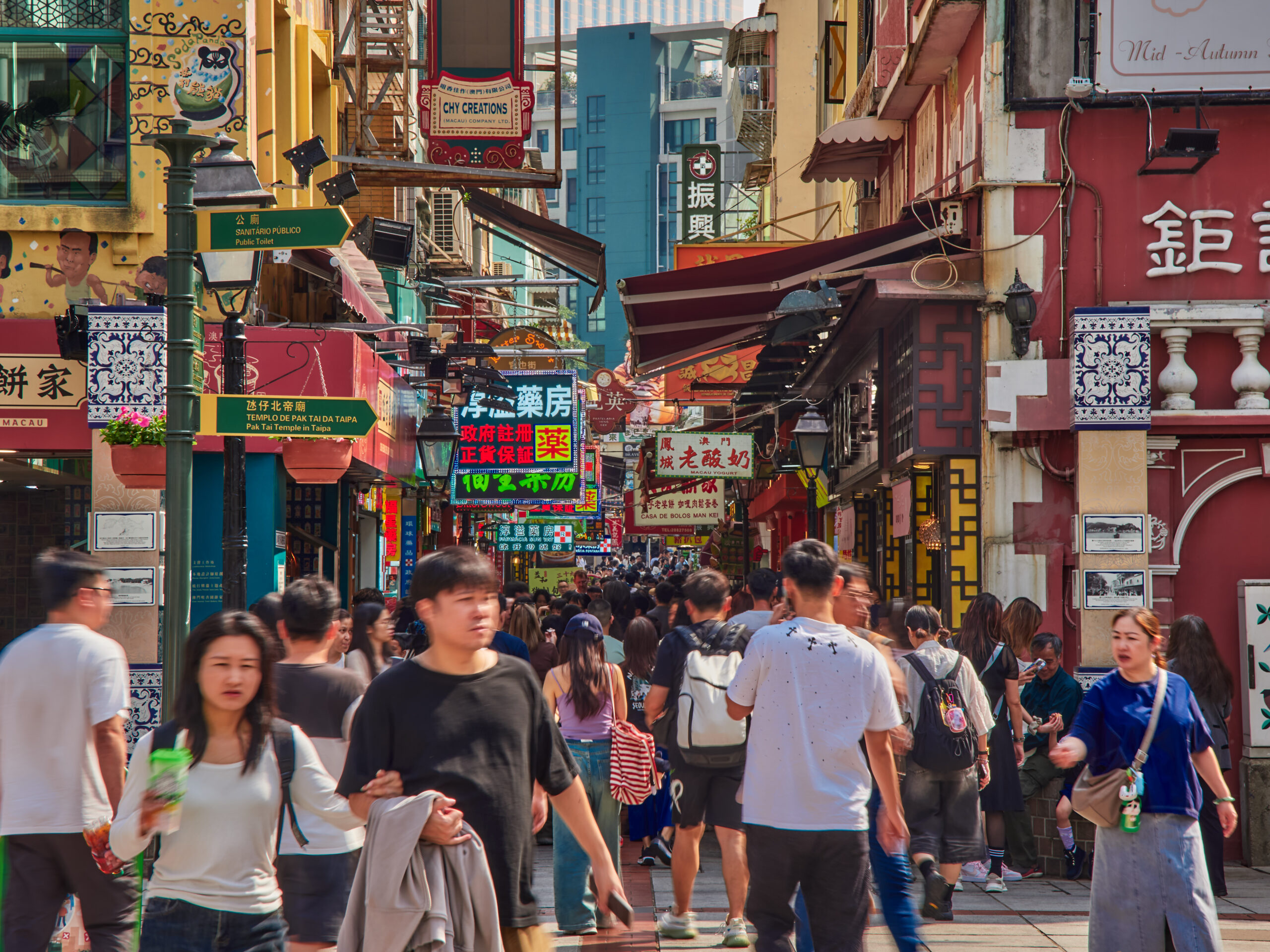
Nearby Attractions
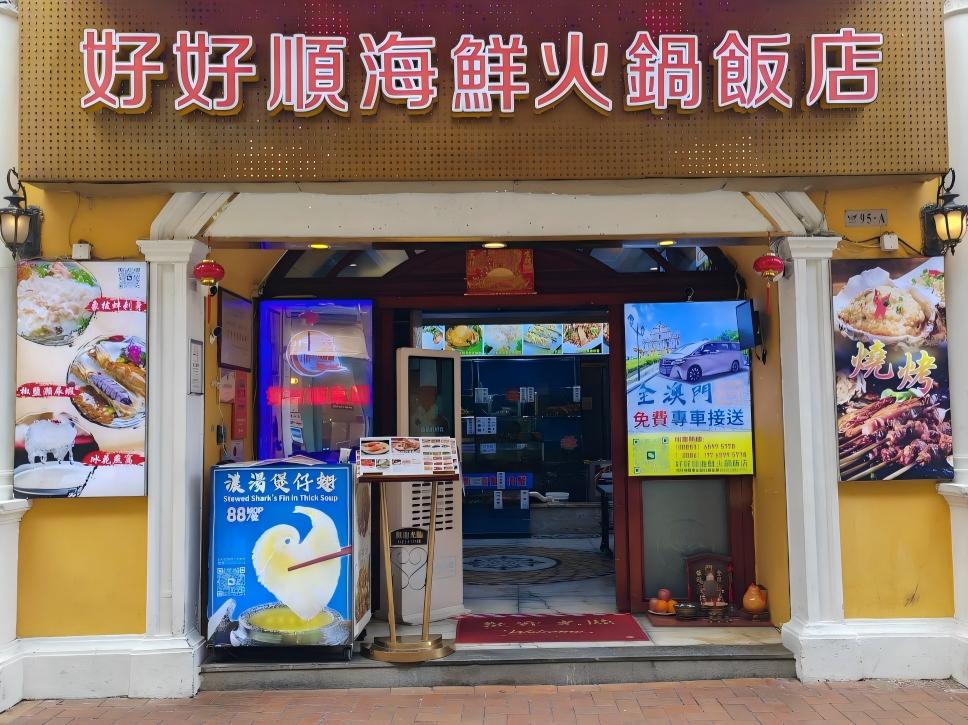
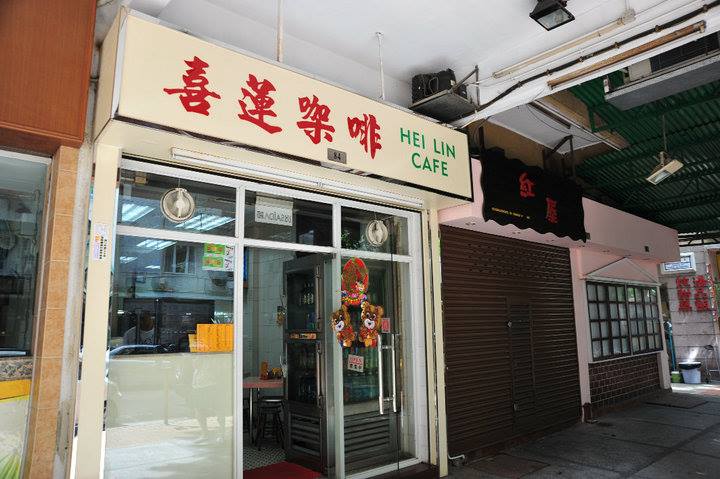
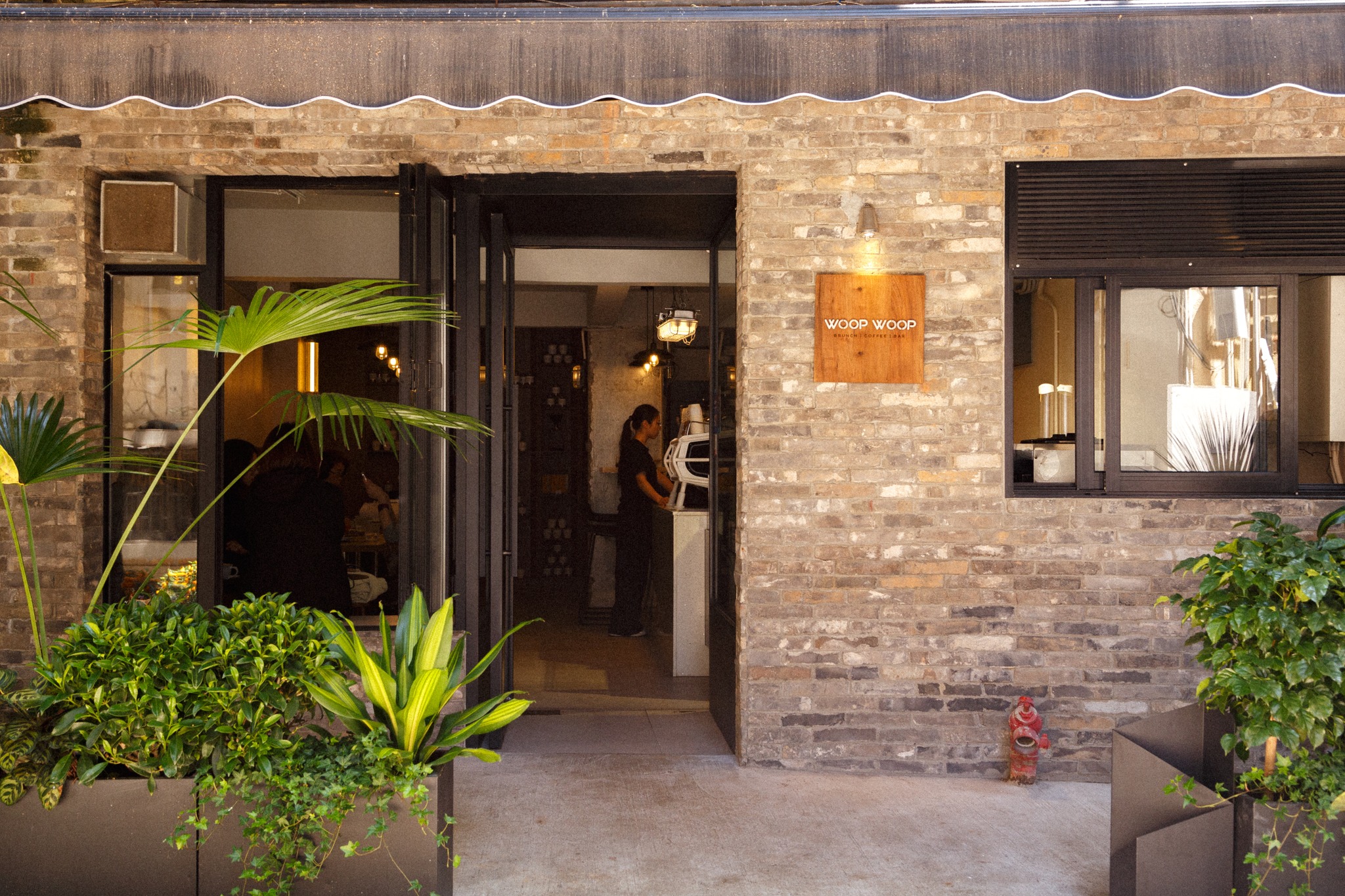
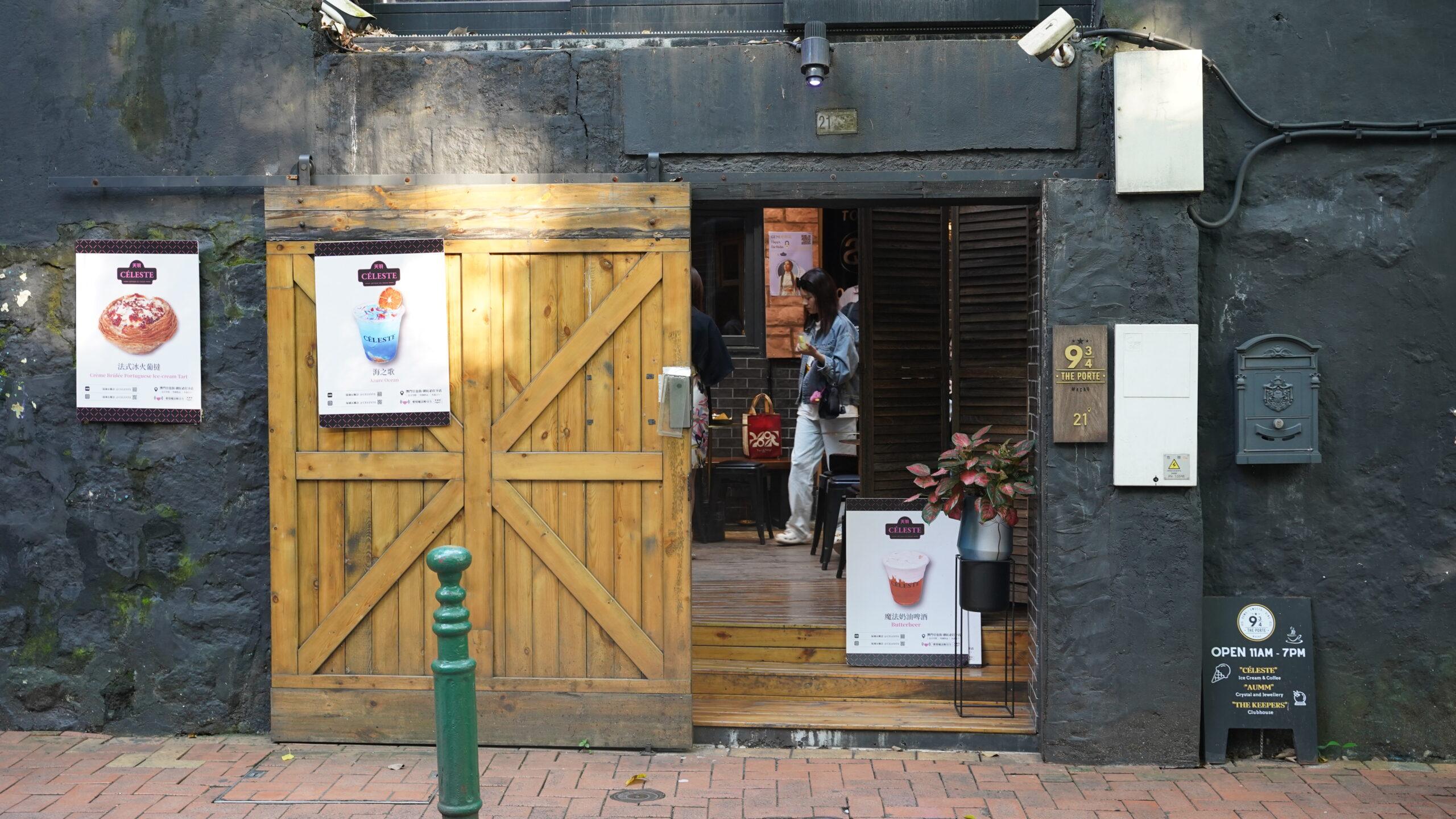
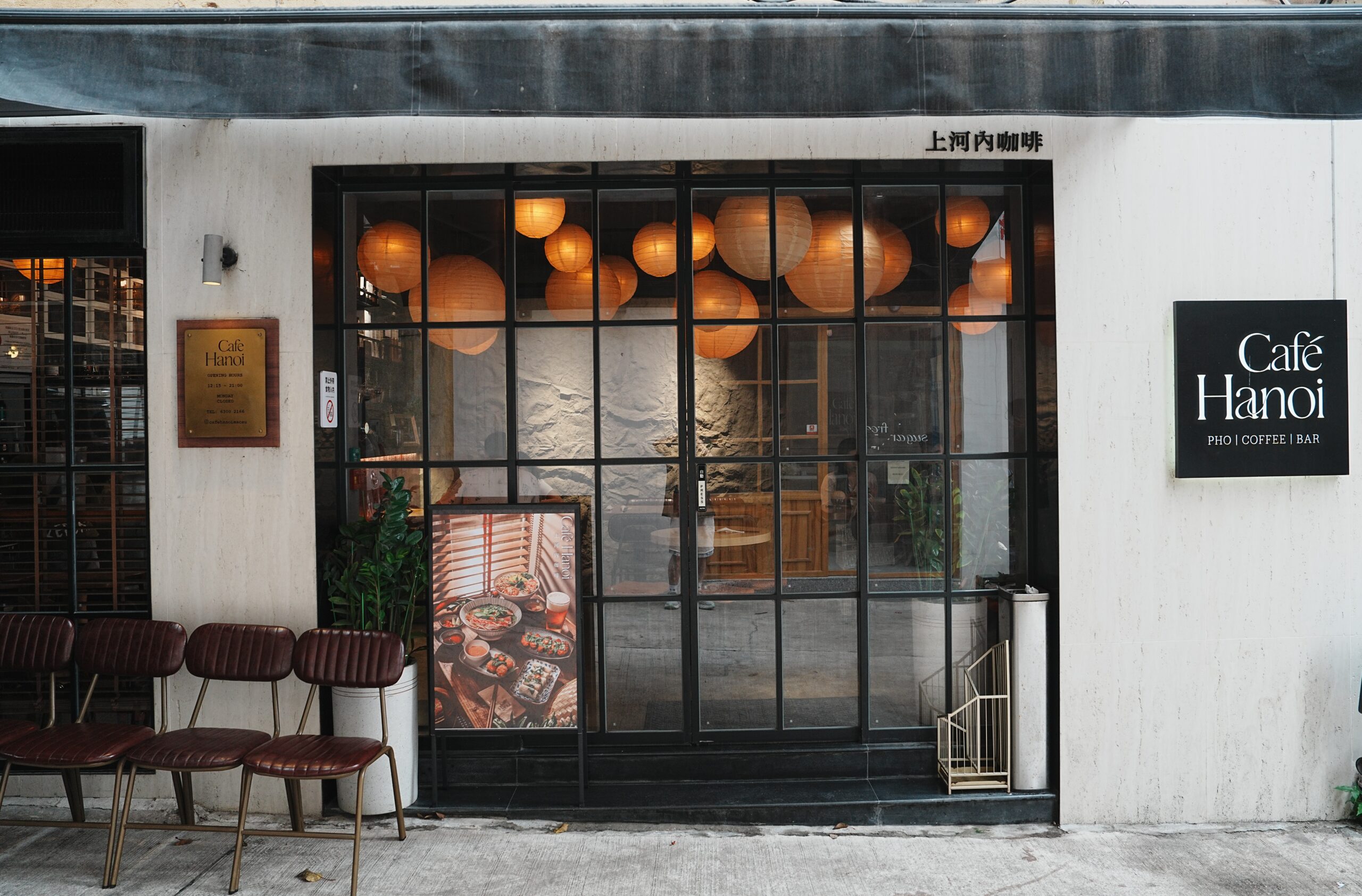
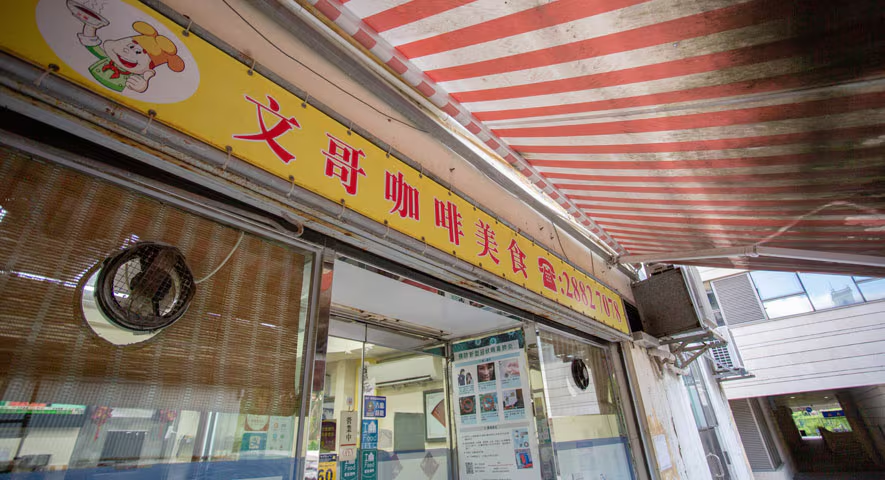
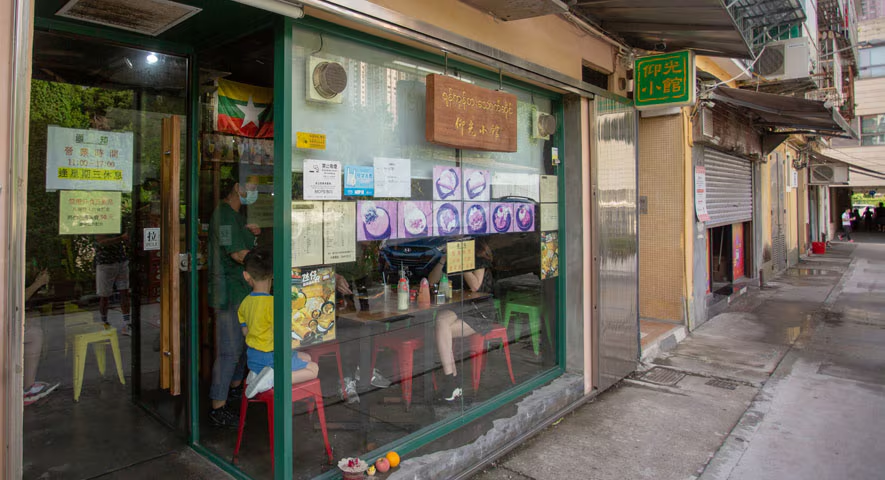
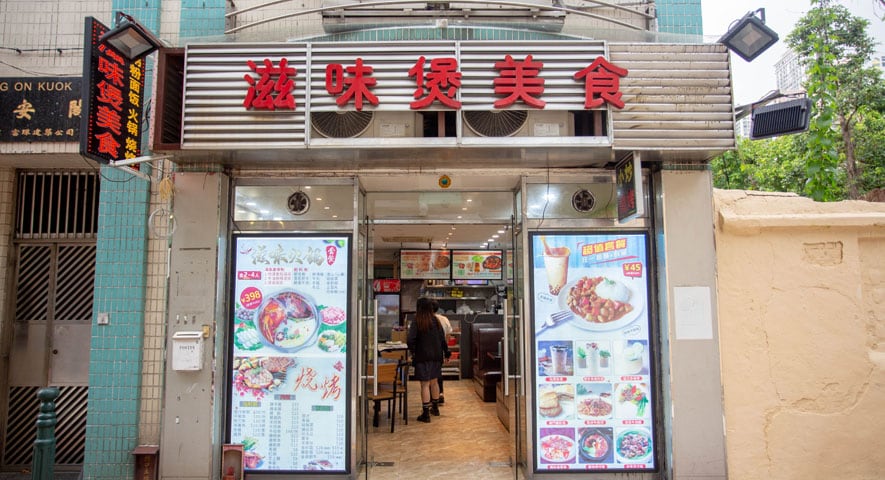
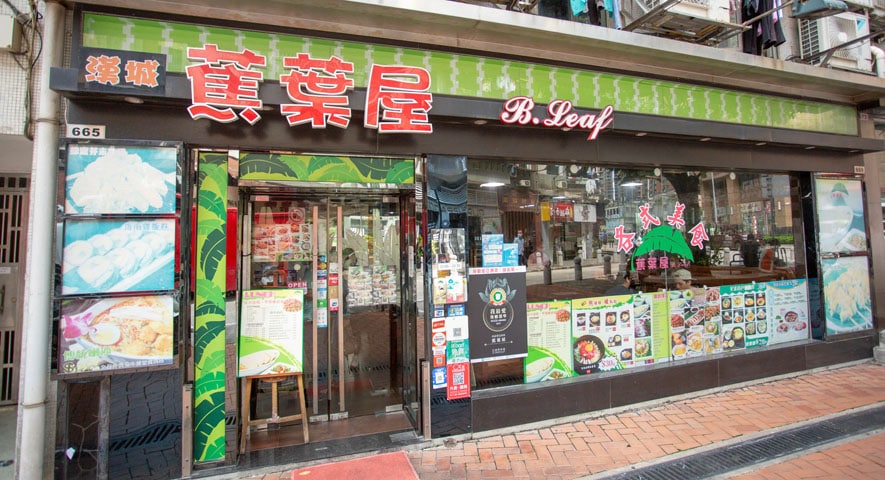
Nearby Businesses
Traffic Information
Nearby parking
Pine Trees
 Light Rail
Taipa Line Pai Kok Station (about a 10-minute walk)
Bus
37
11、15、22、28A、30、33、34
11、15、22、28A、30、33、34
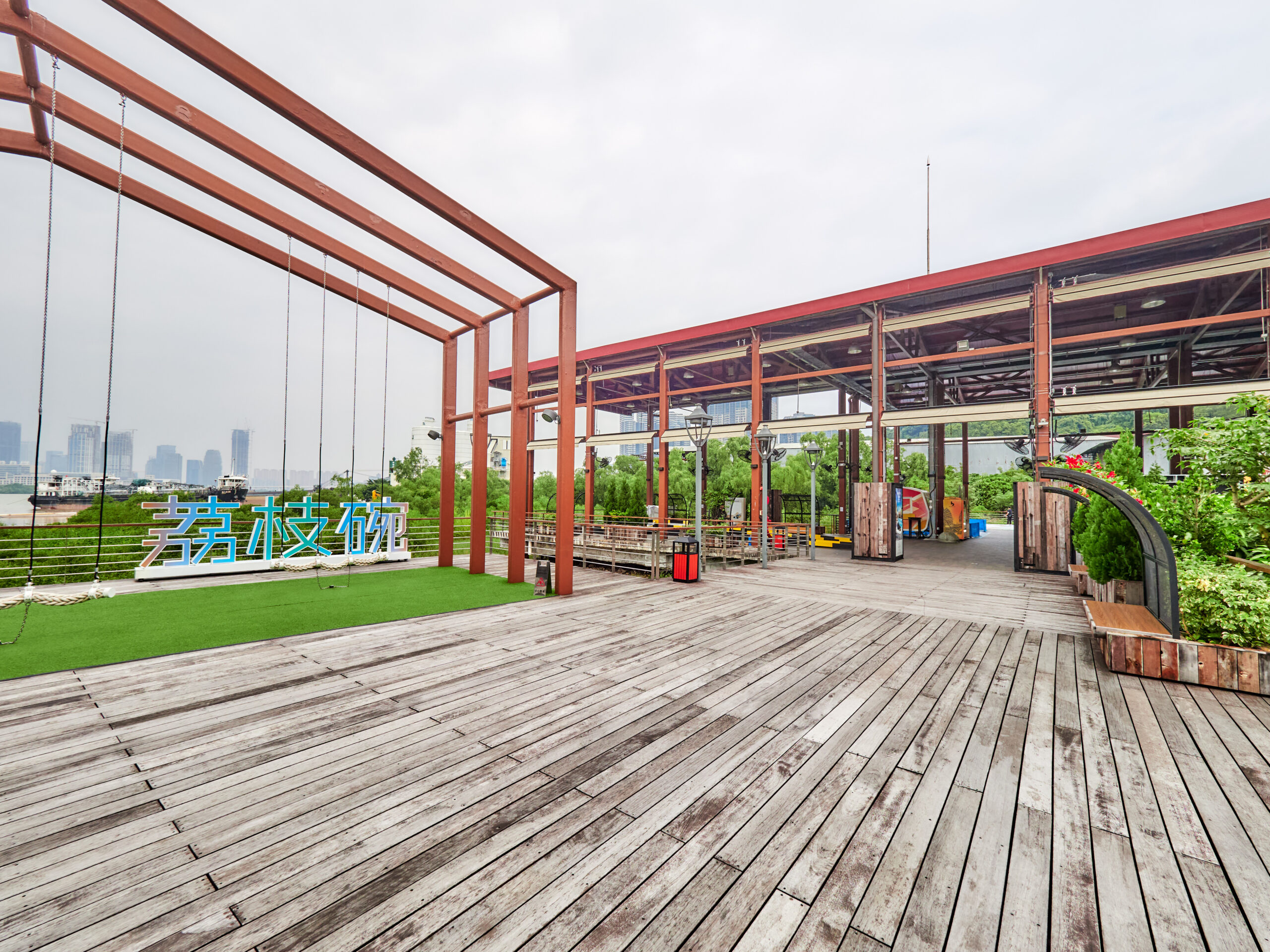
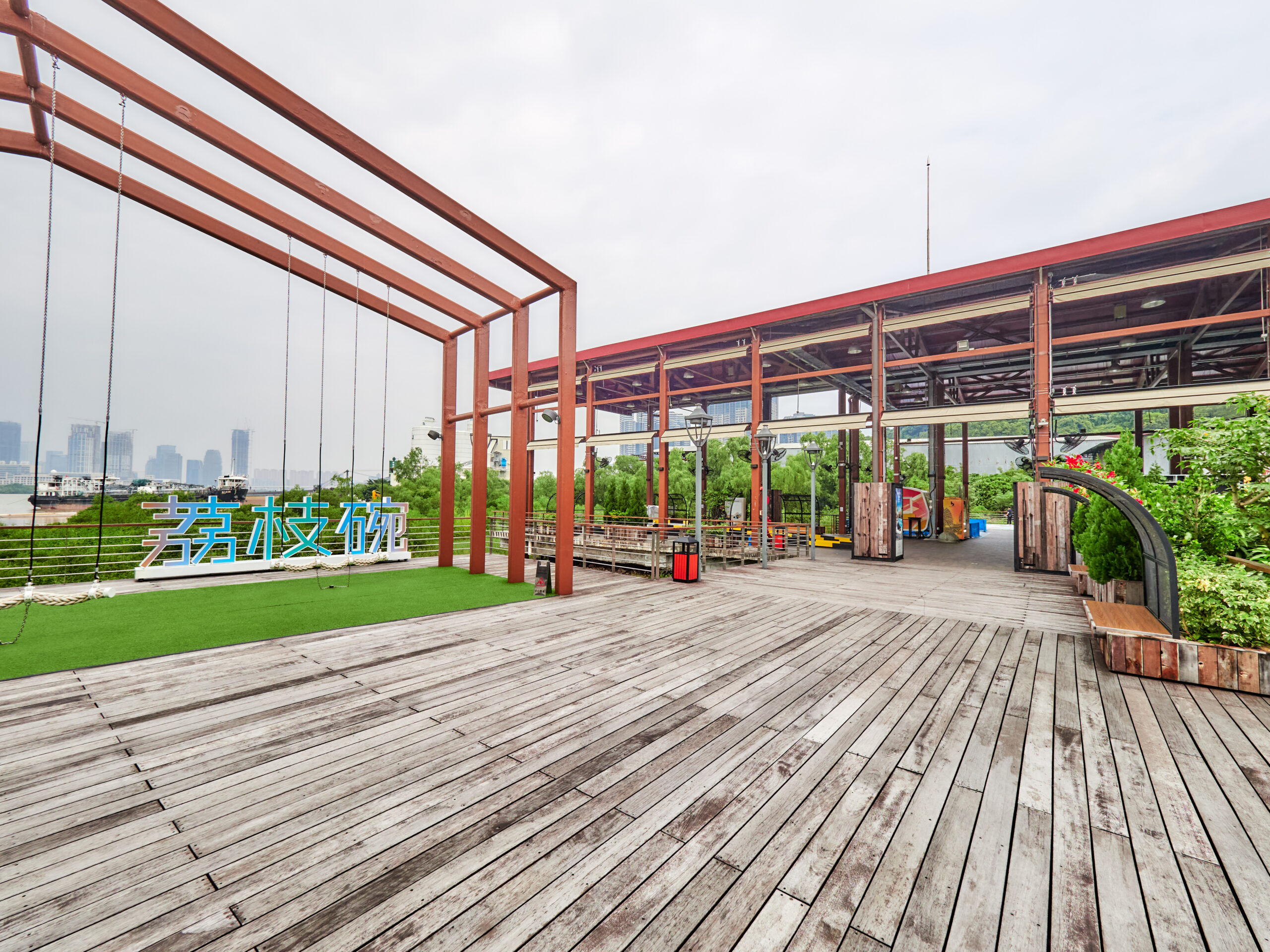
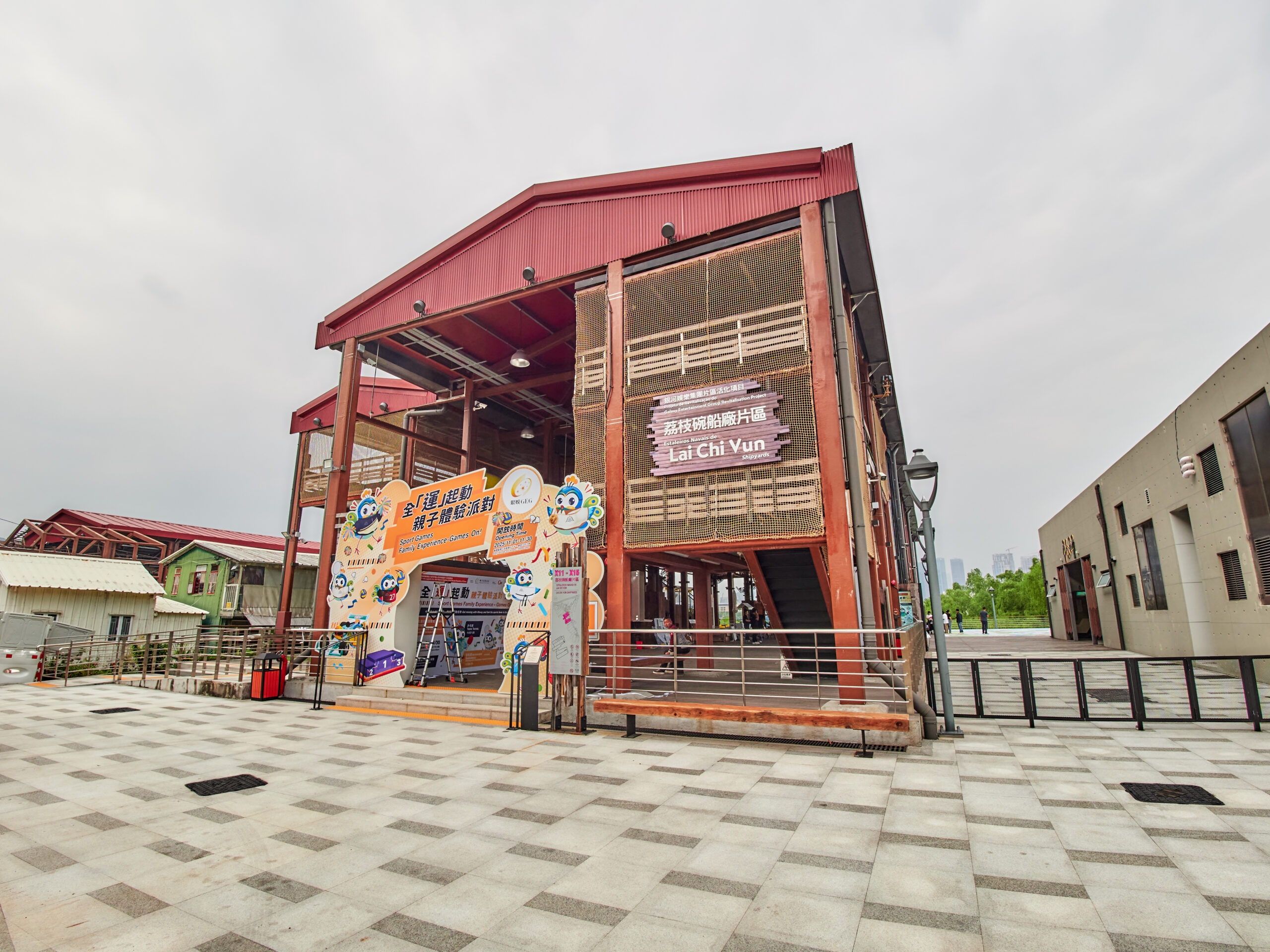
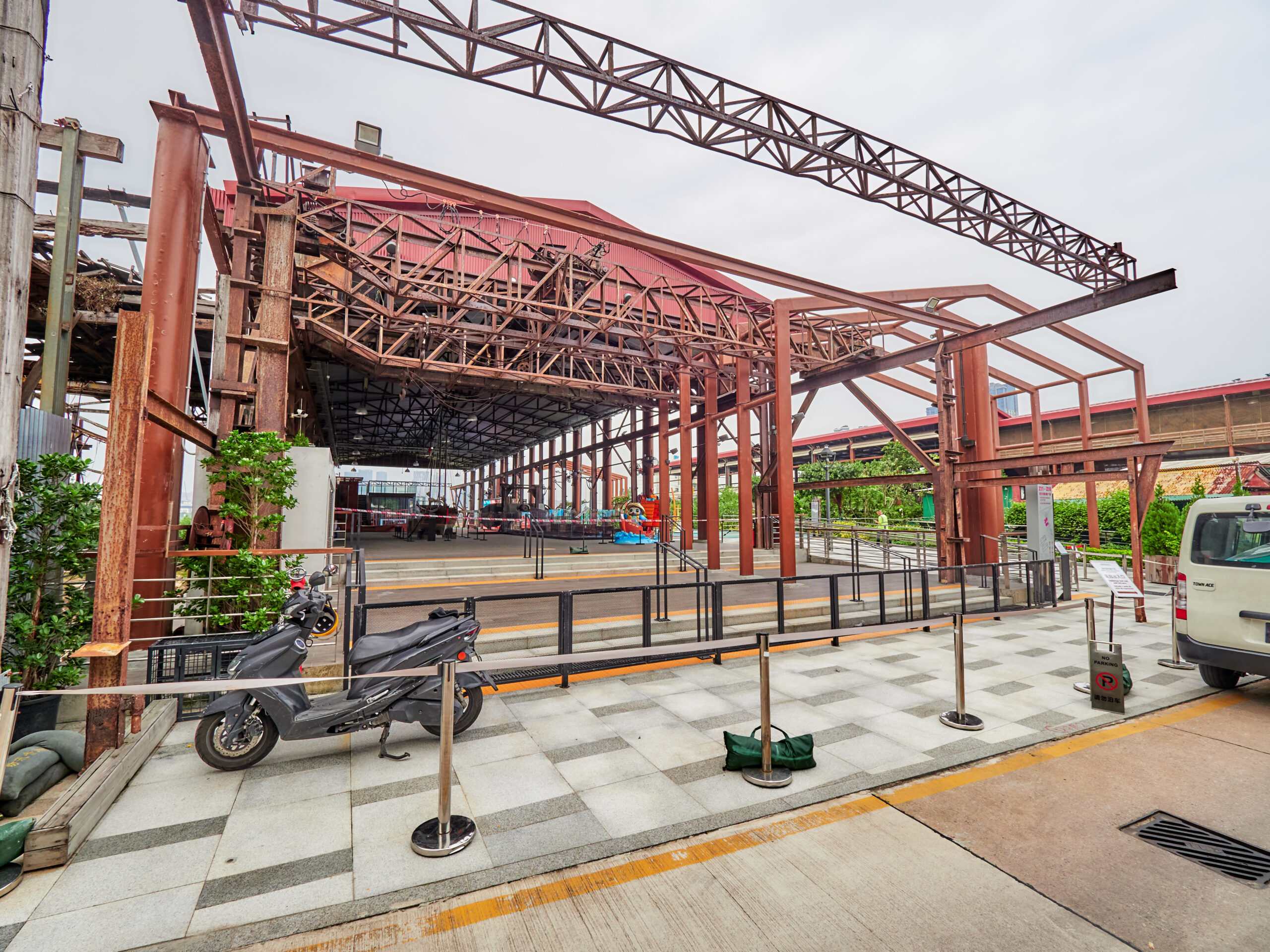
Lai Chi Vun Shipyards
Lai Chi Vun Shipyards
Area Introduction
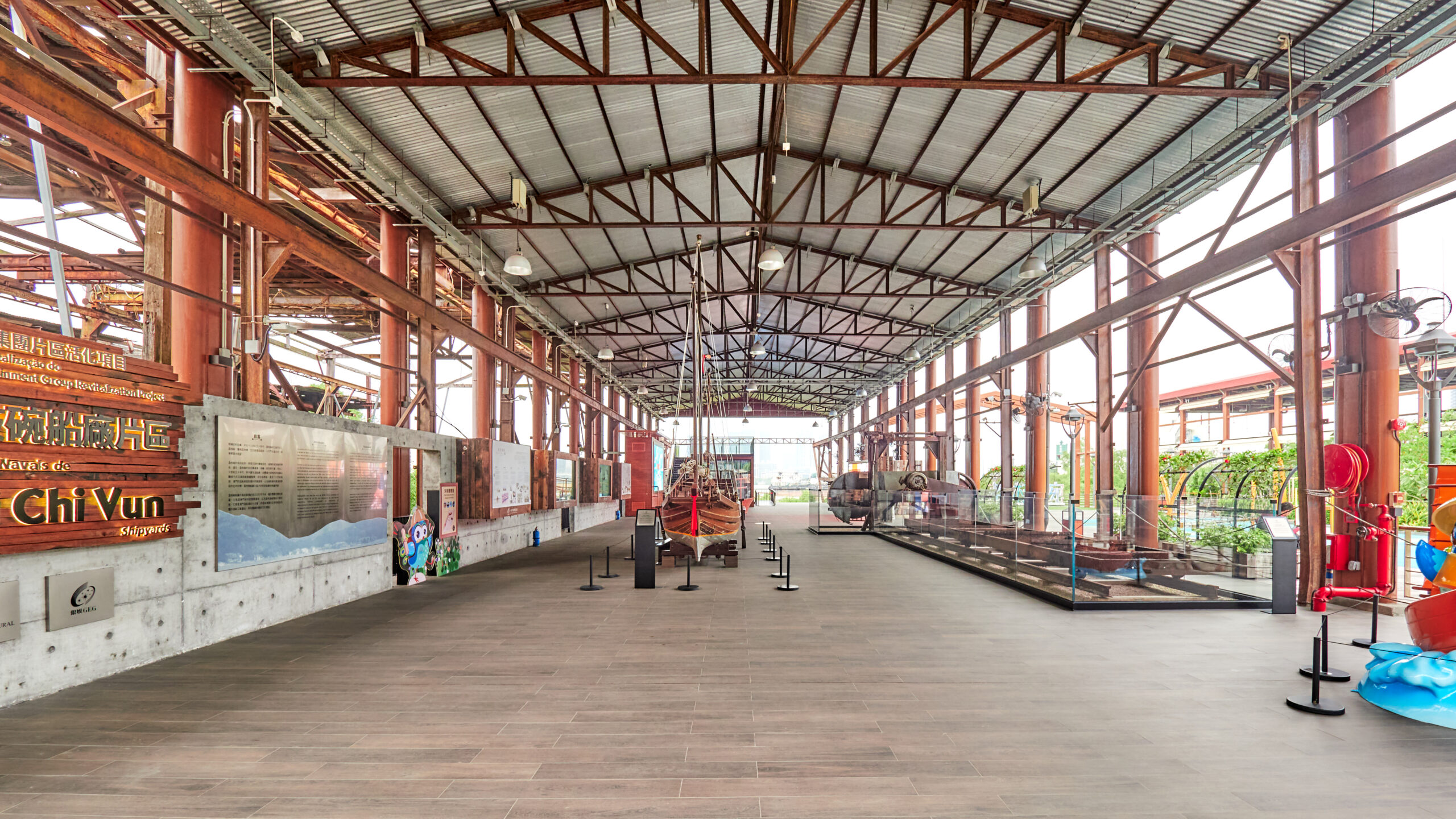
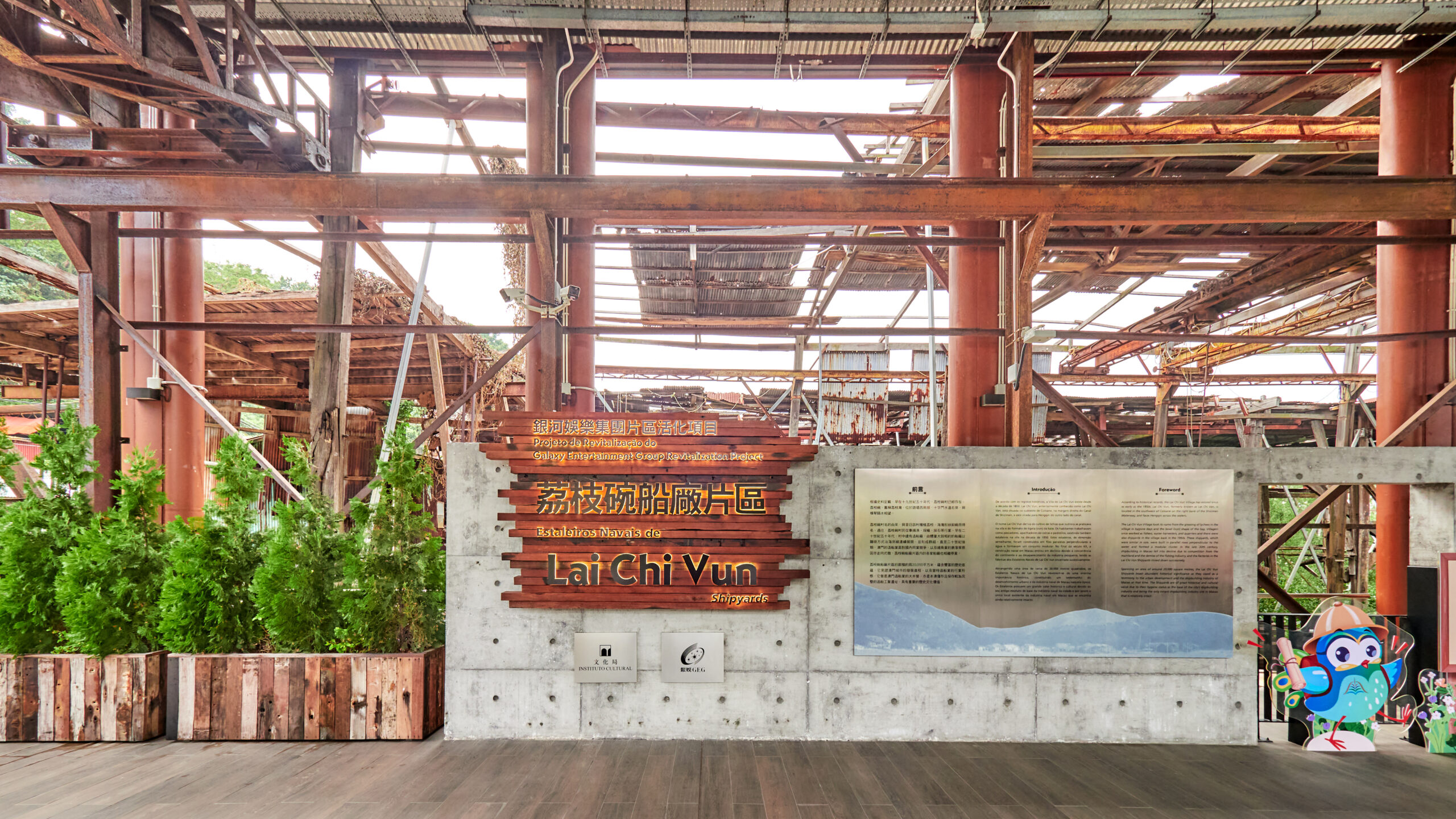
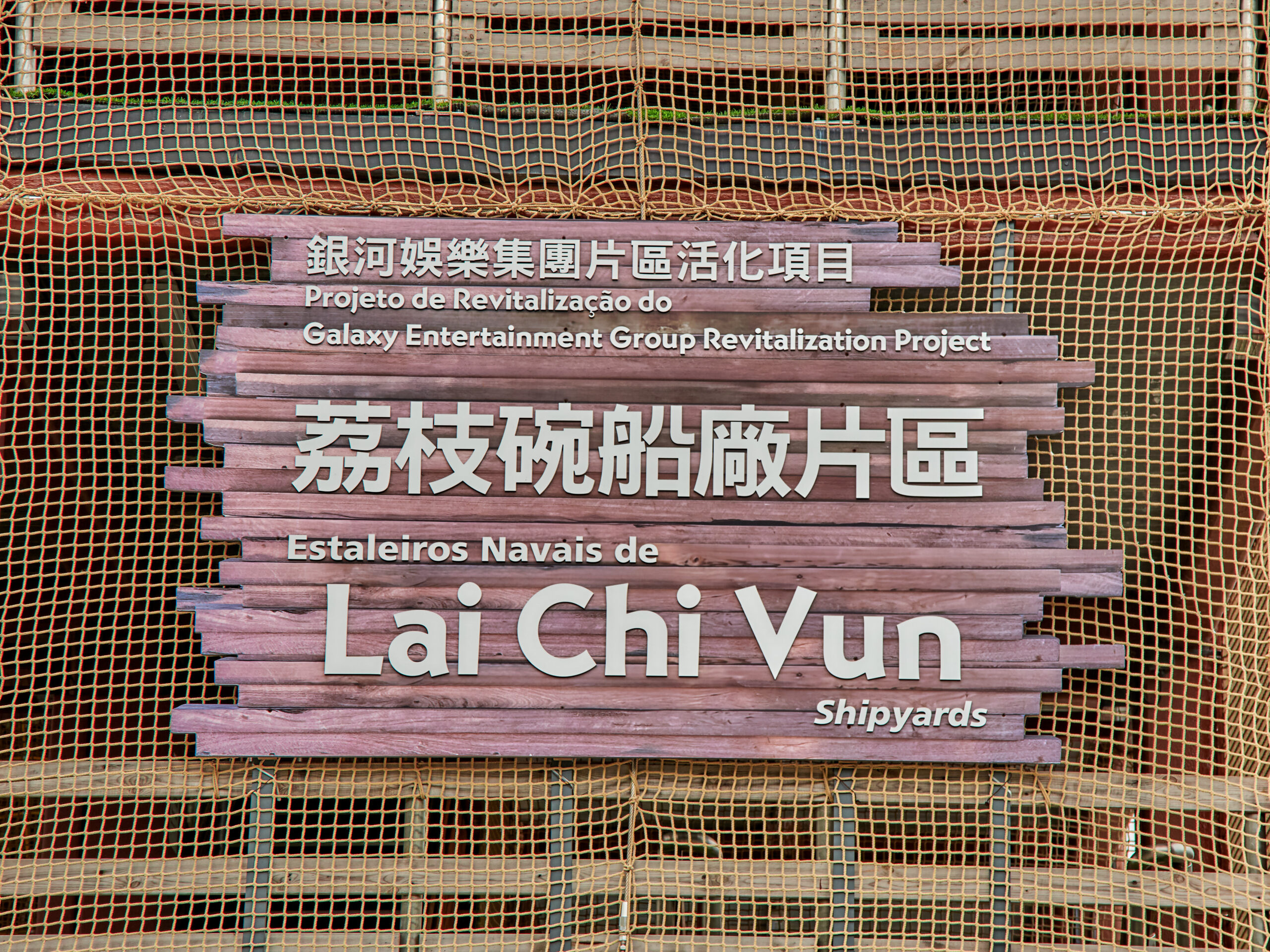
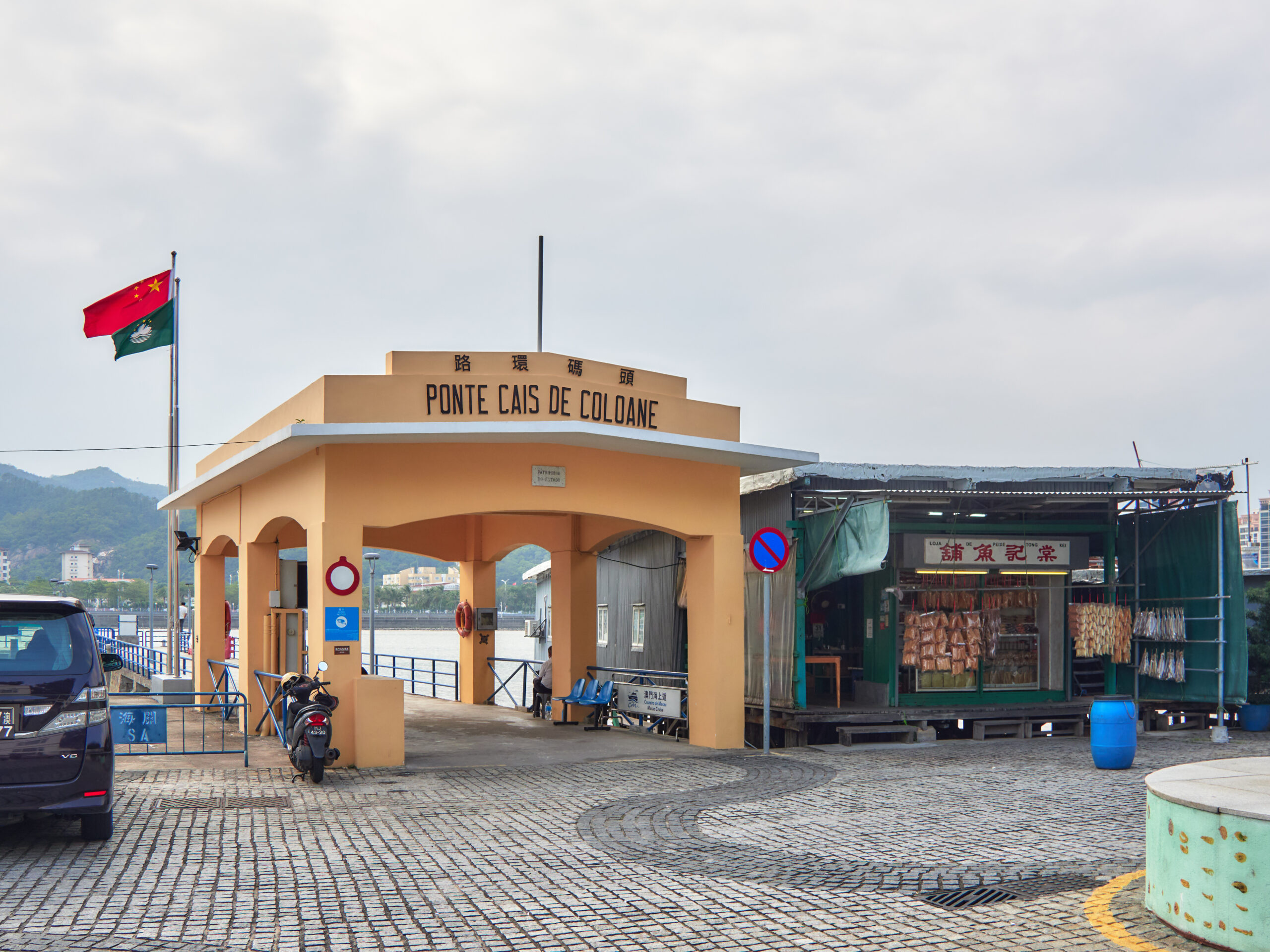
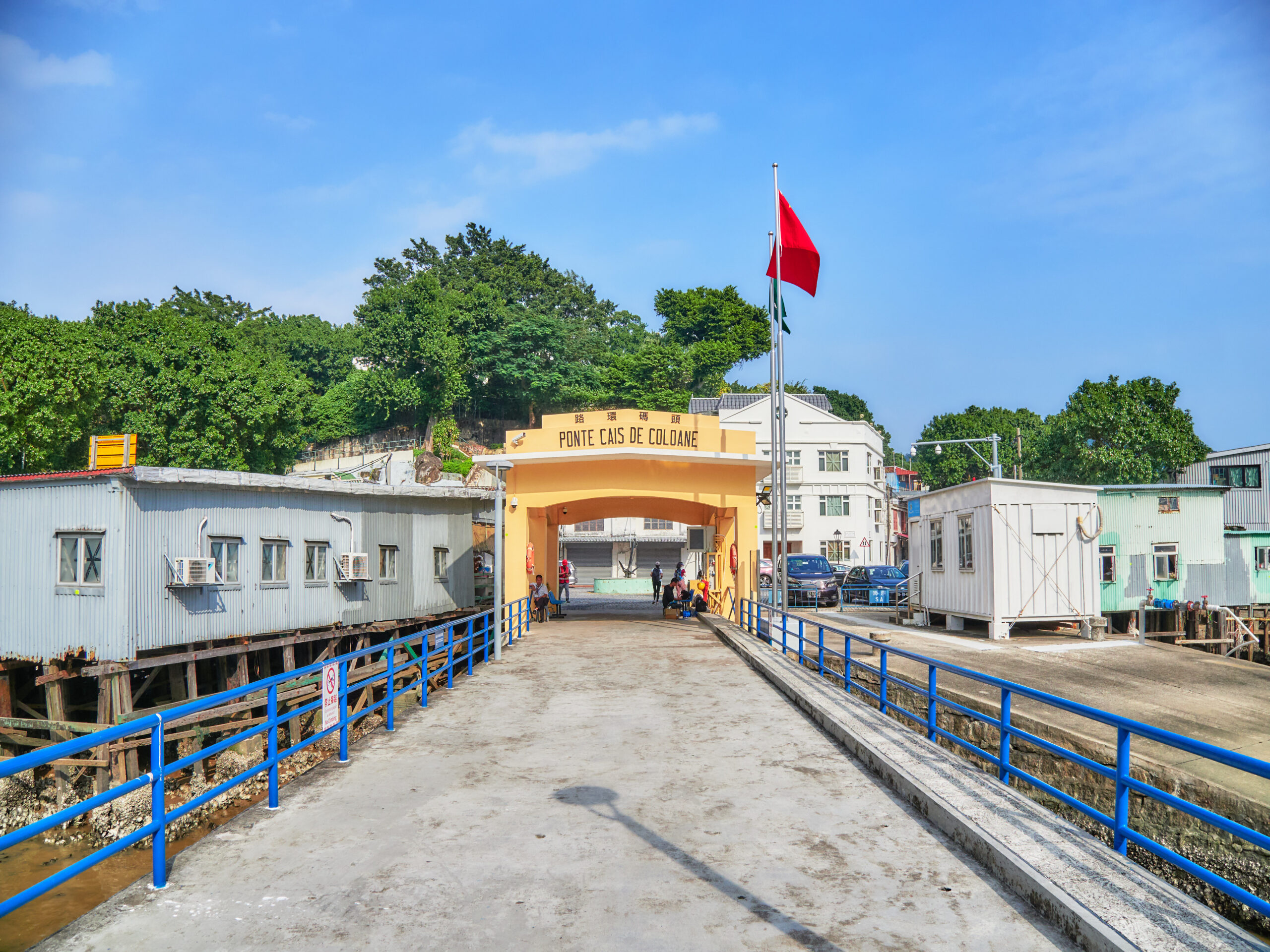
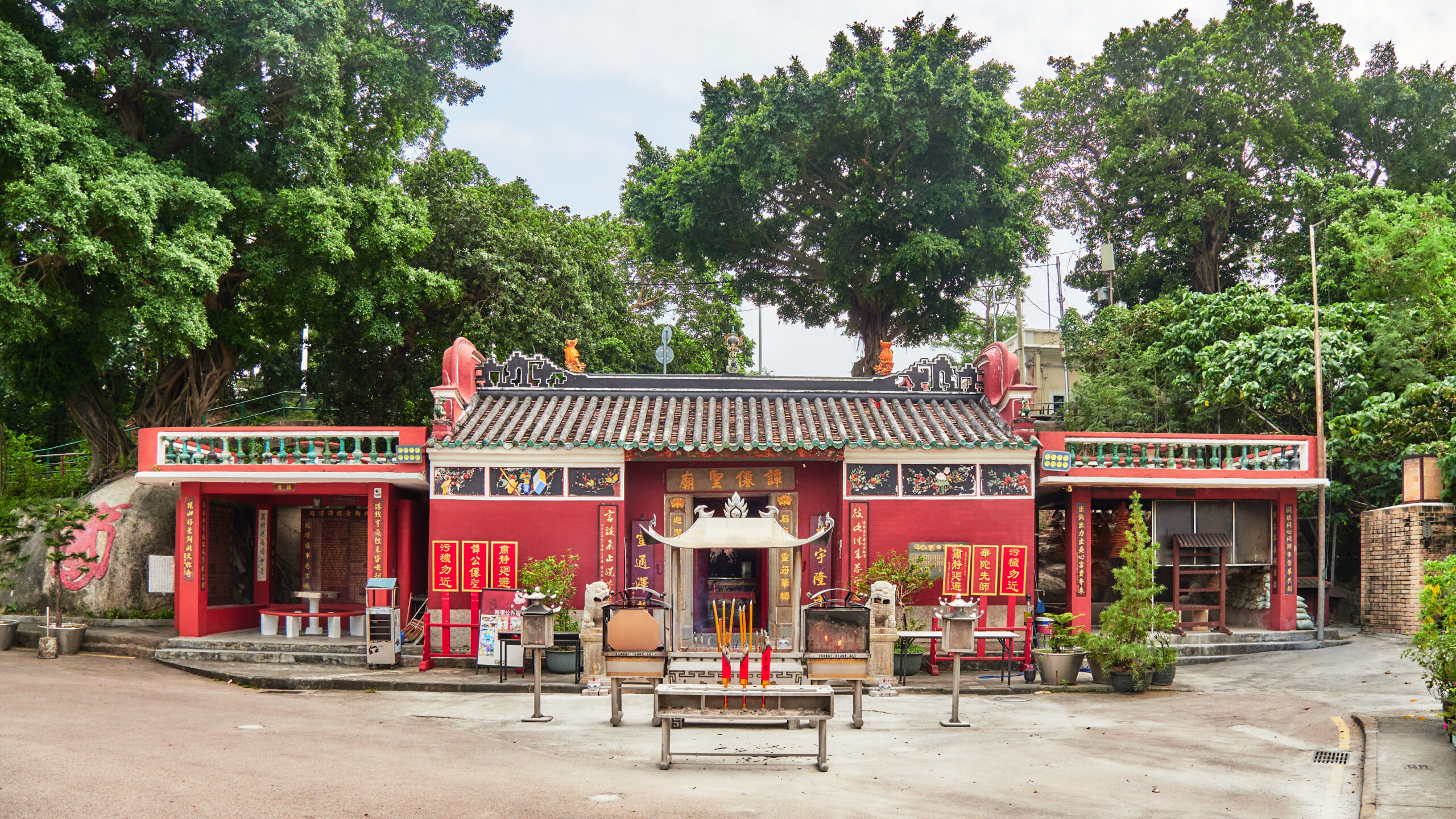
Lai Chi Vun Shipyards is located in Lai Chi Vun, Coloane. It is one of the largest surviving shipyard clusters in Macau and also one of the best-preserved and most sizeable historic shipbuilding industrial sites in South China. The area gradually took shape in the mid-20th century. Together with timber workshops, shipbreaking yards, and small-scale factories, it formed a distinctive community with the character of a “shipbuilding village,” providing vessels and related support for the fishing and trading industries over many years. As the shipbuilding industry declined in the late 20th century, the shipyards gradually ceased operation. In 2005, the launch of the last fishing boat marked the end of traditional shipbuilding in the area. In June 2022, the government announced a pilot revitalization plan, with the first phase focusing on units X-11 to X-15. These units officially opened in June 2023.
Reference:
Lou Ka Iu. (2013). Lai Chi Vun Shipyard Site: Macau’s Last Shipbuilding Heritage Site. Macau: Old City, Memories personal blog.
Nearby Attractions
Nearby Businesses
Traffic Information
Nearby parking
Luen Sang Roundabout Car Park
Bus
15、21A、25、26、26A、50、N3
15、21A、26A
15、21A、26A
25、26、50、N3
Barra District
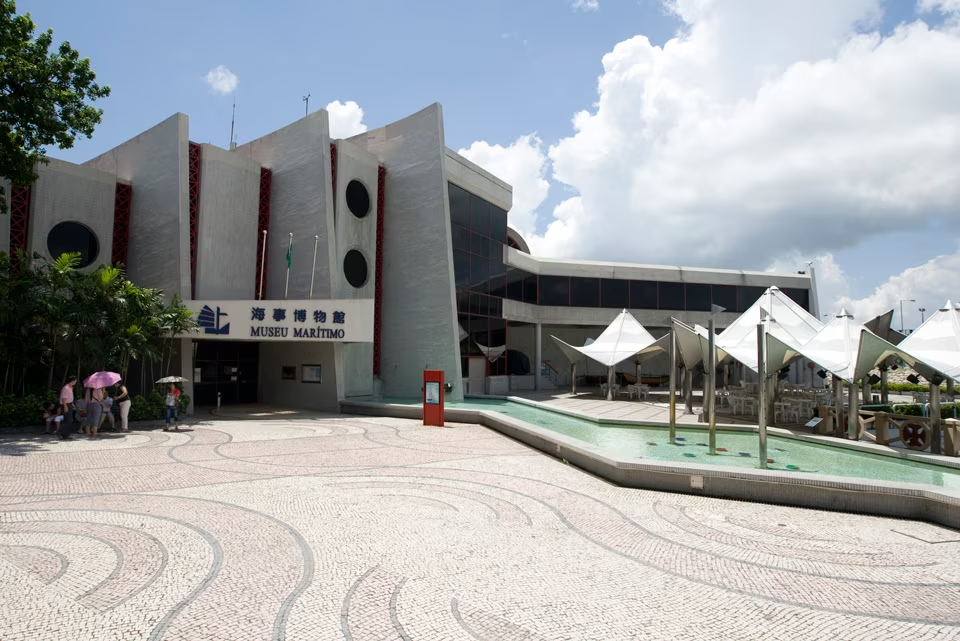
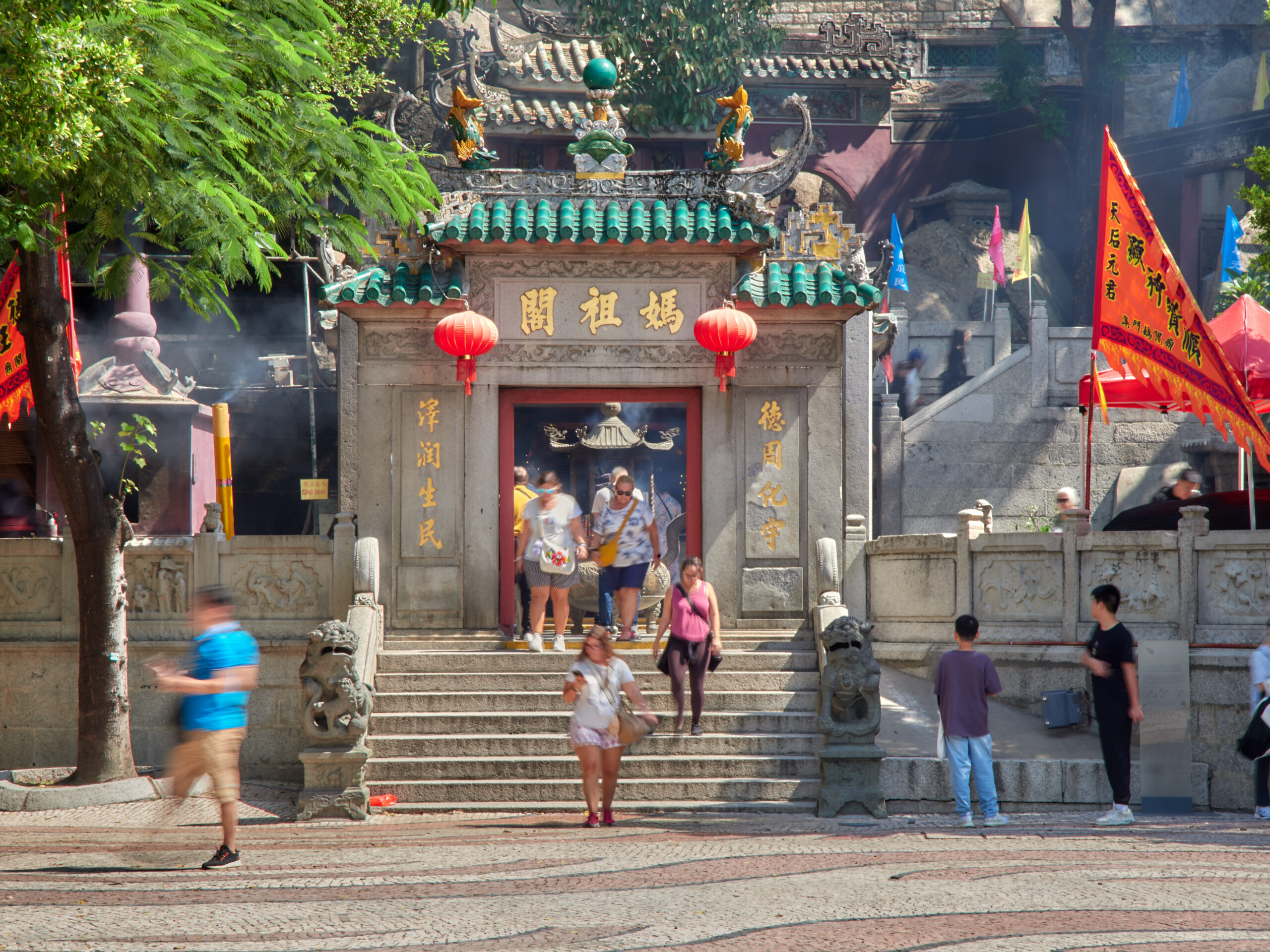
Barra District is located adjacent to the A-Ma Temple and the Maritime Museum, and is characterised by a strong maritime and religious heritage. The area benefits from convenient access via the Barra Transport Hub and multiple nearby bus routes.
Barra District
Barra District
Area Introduction
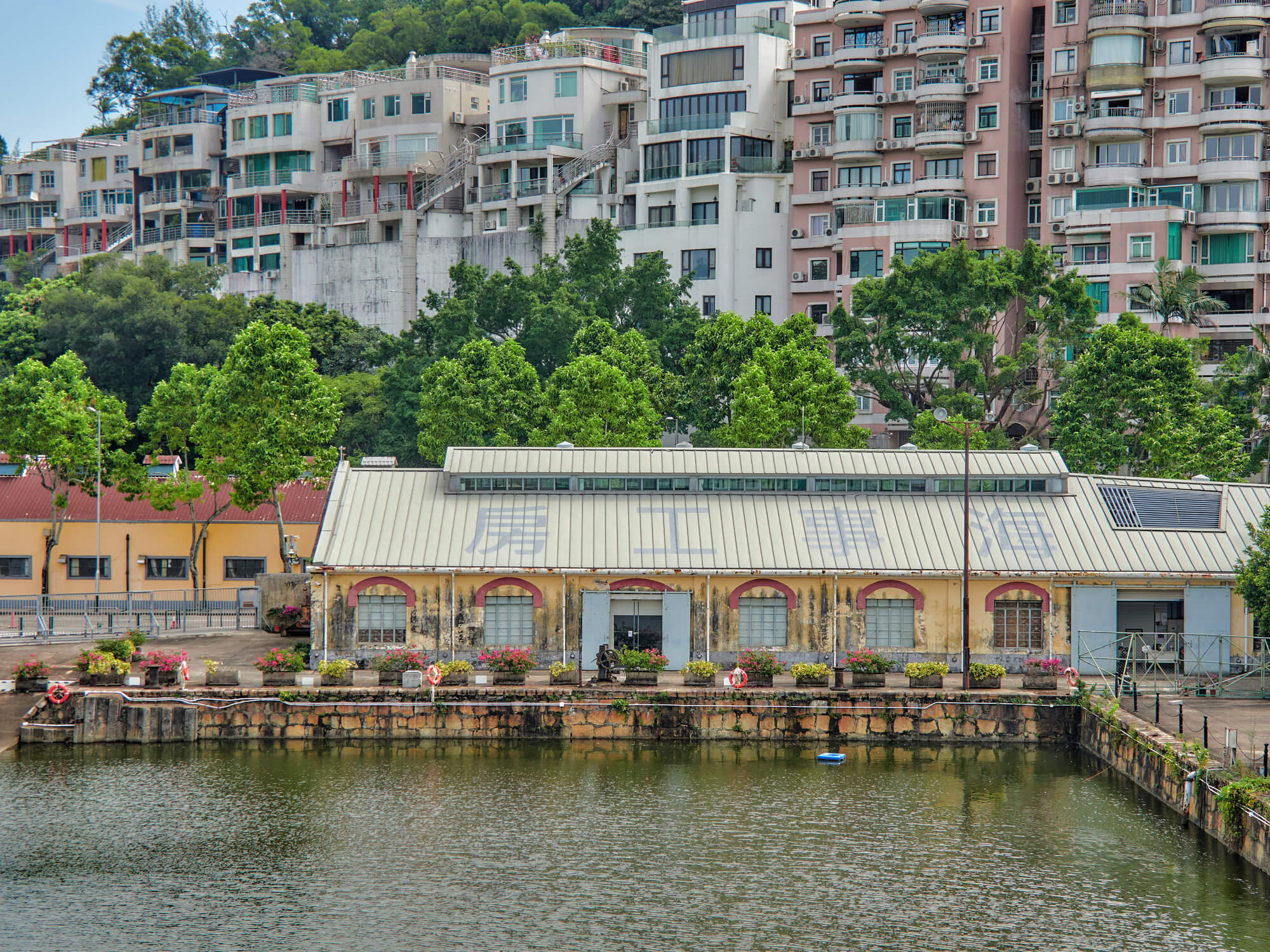
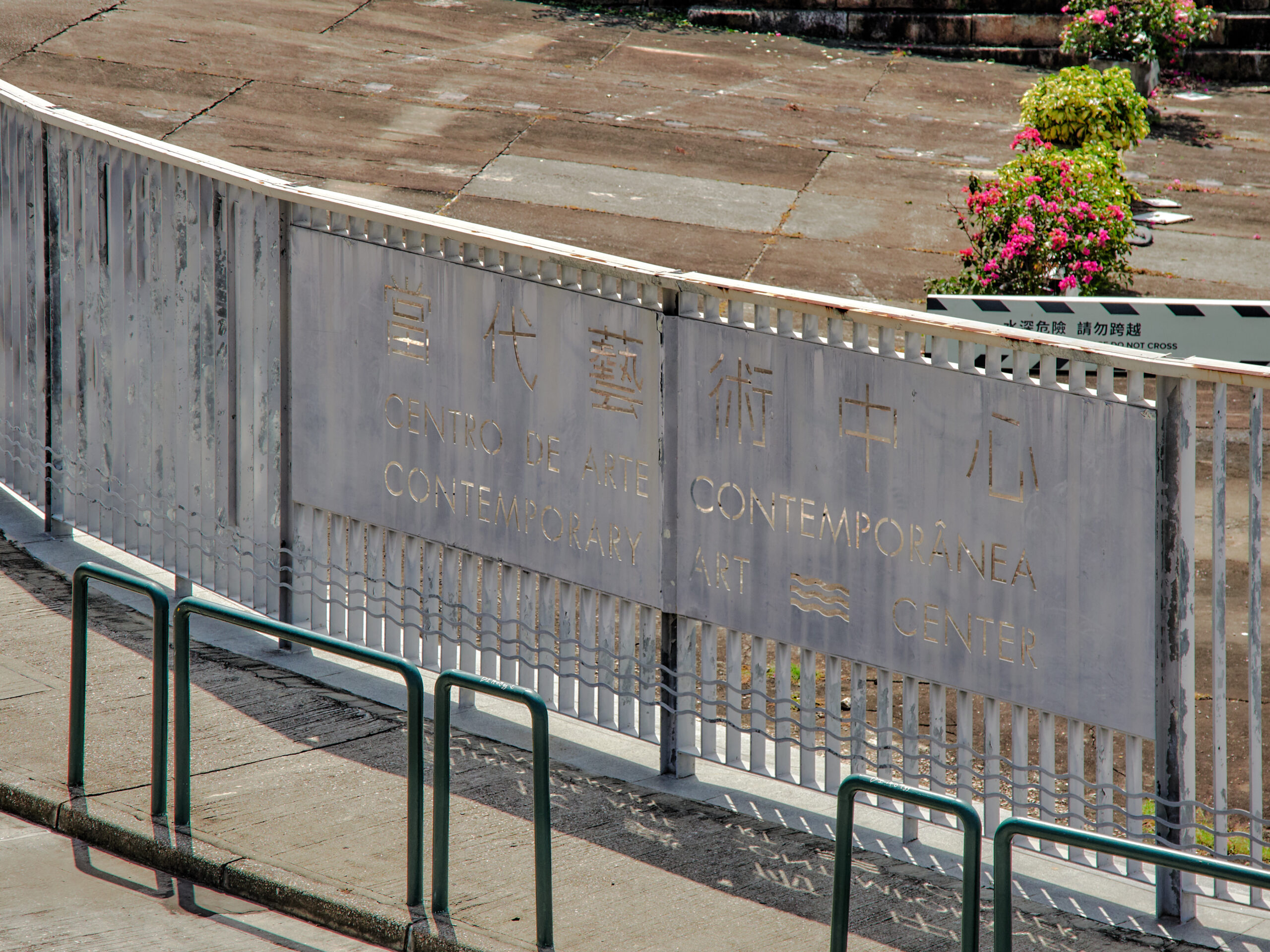
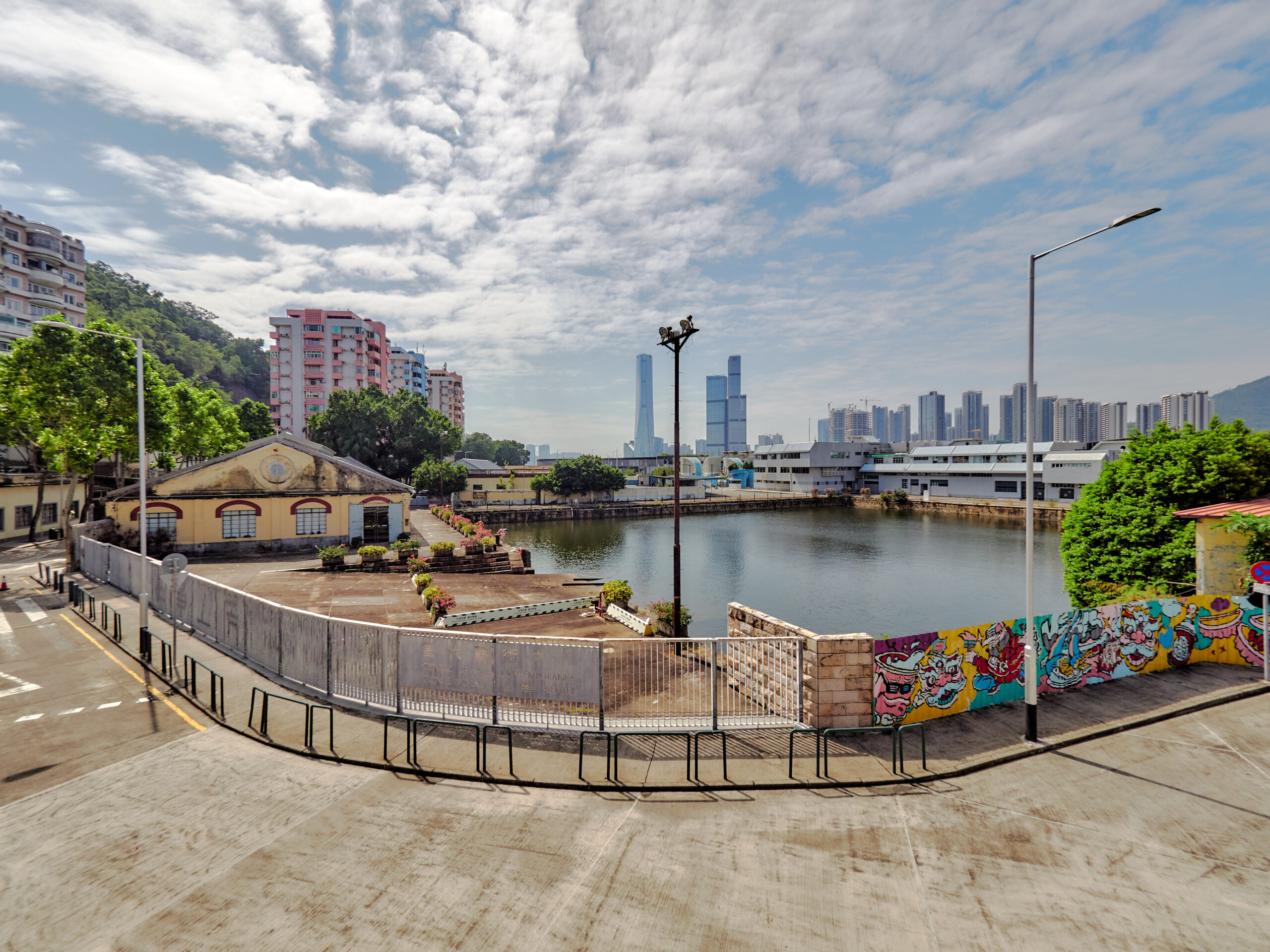
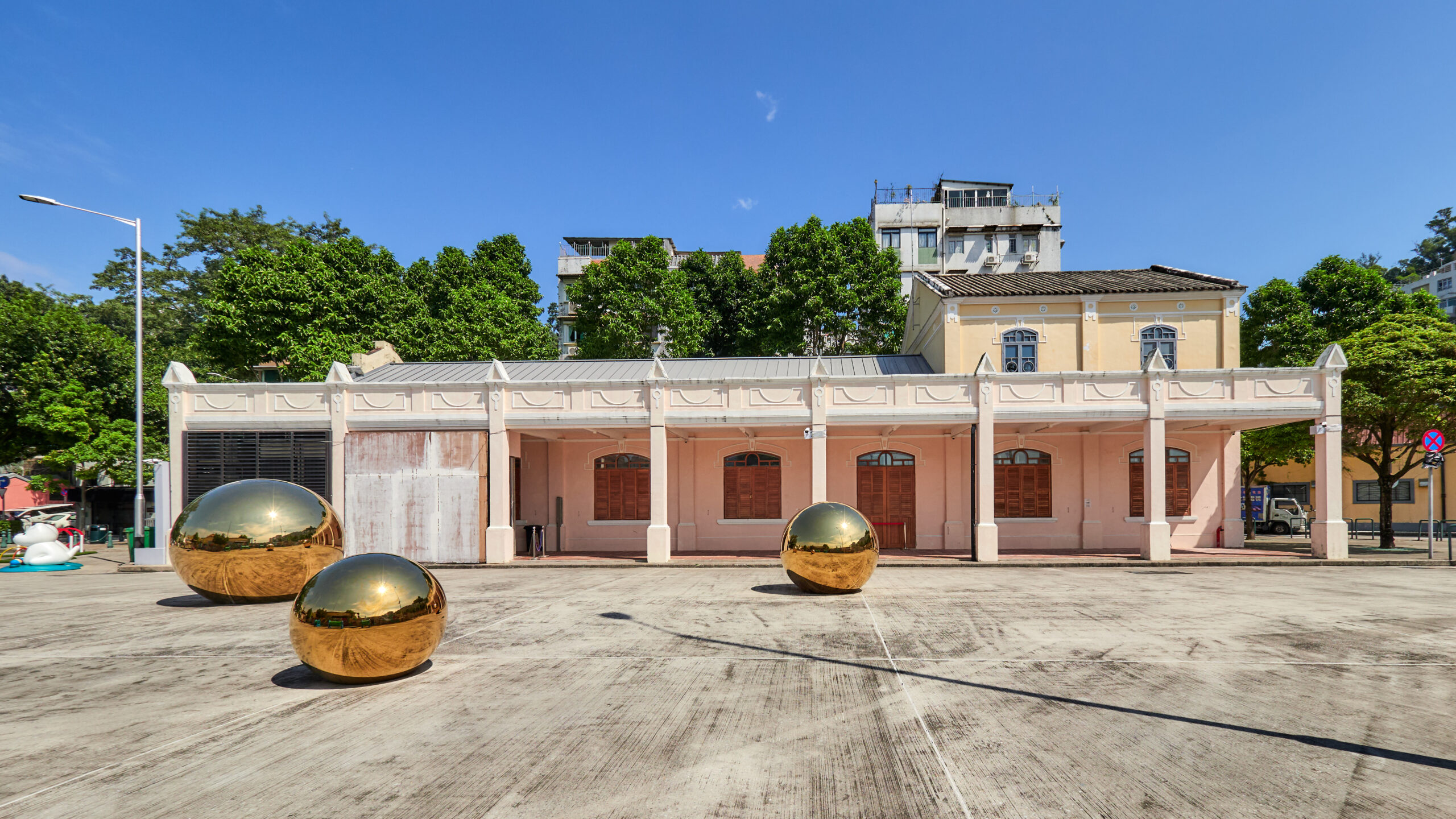
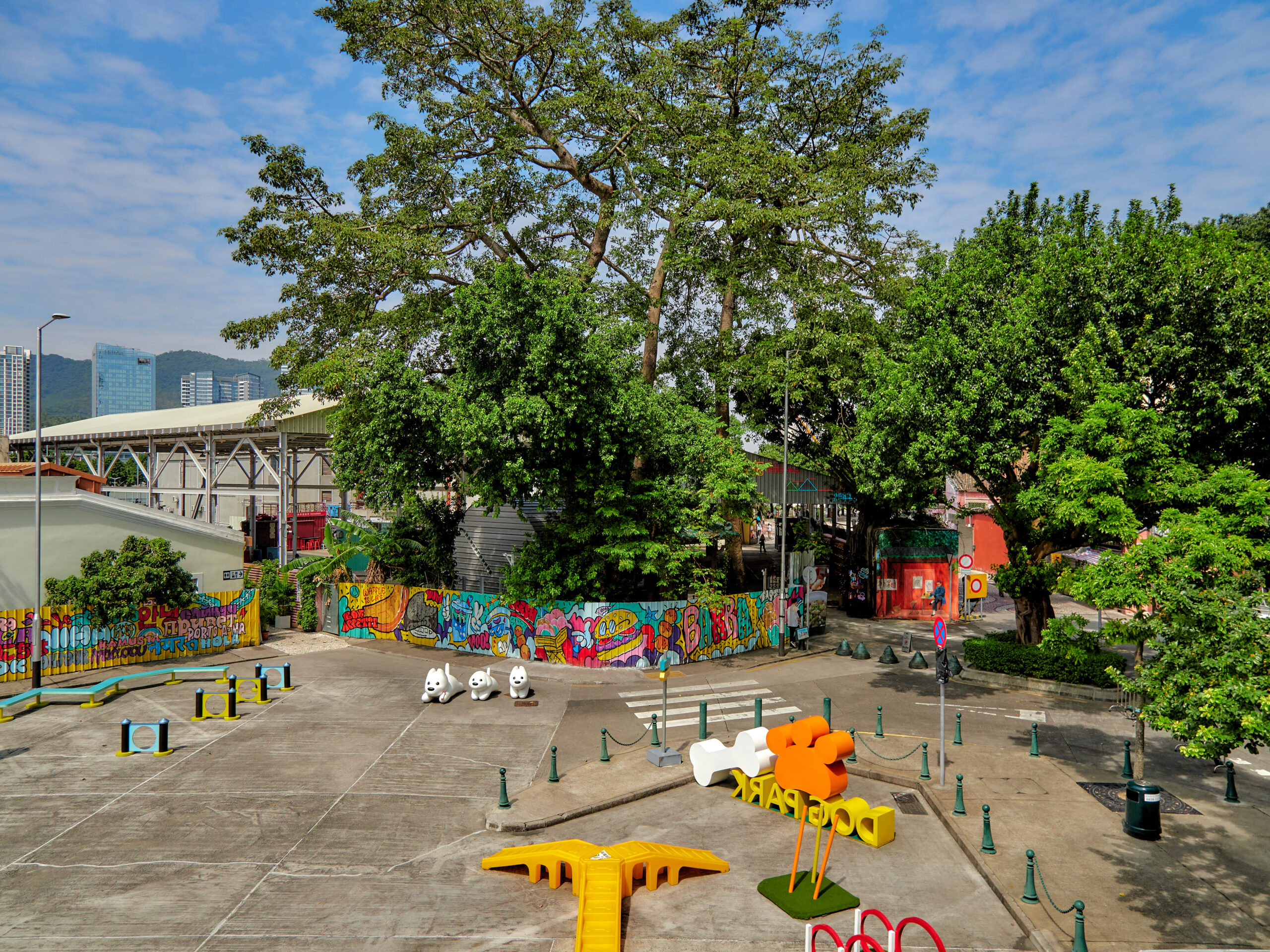
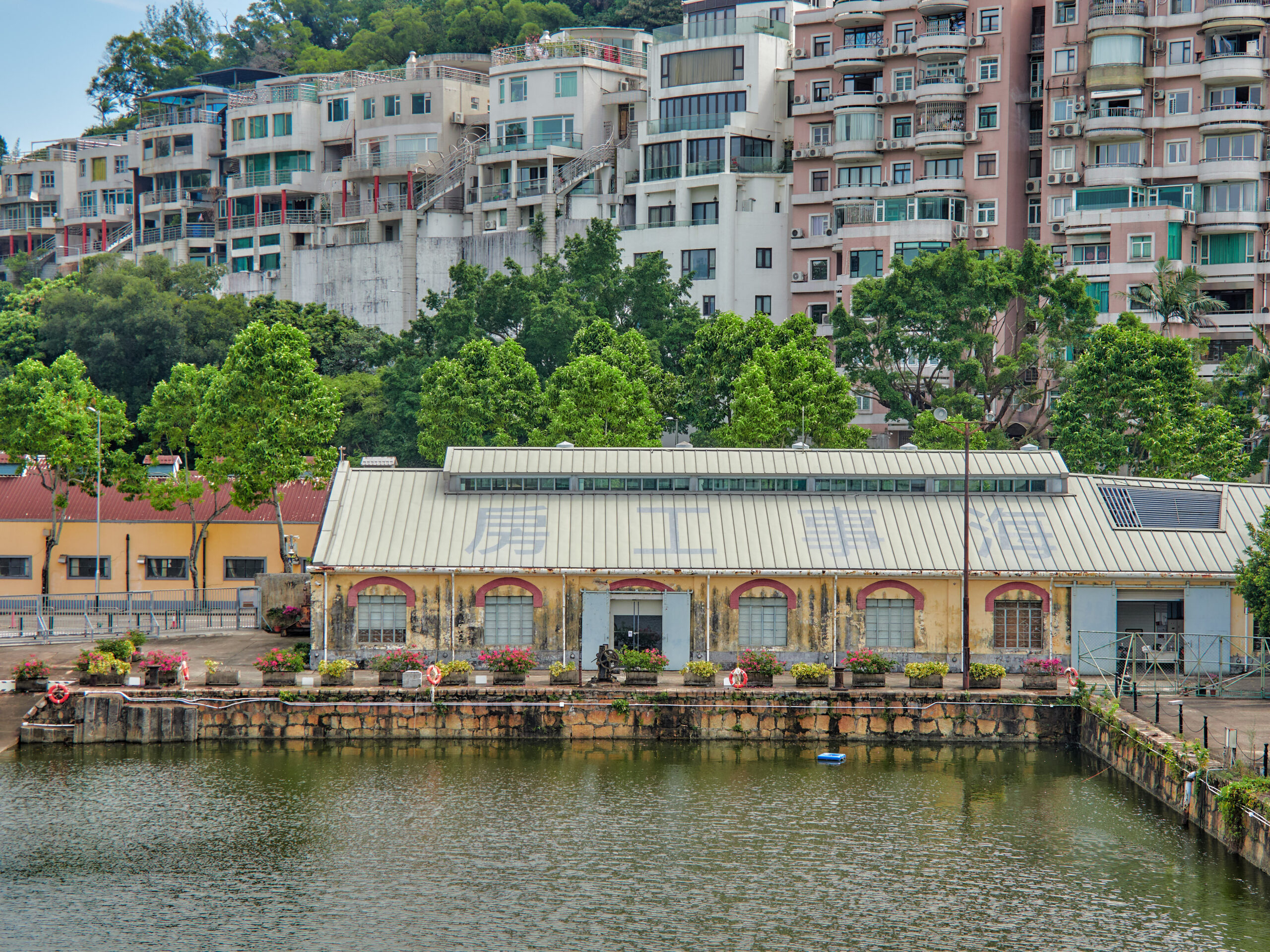
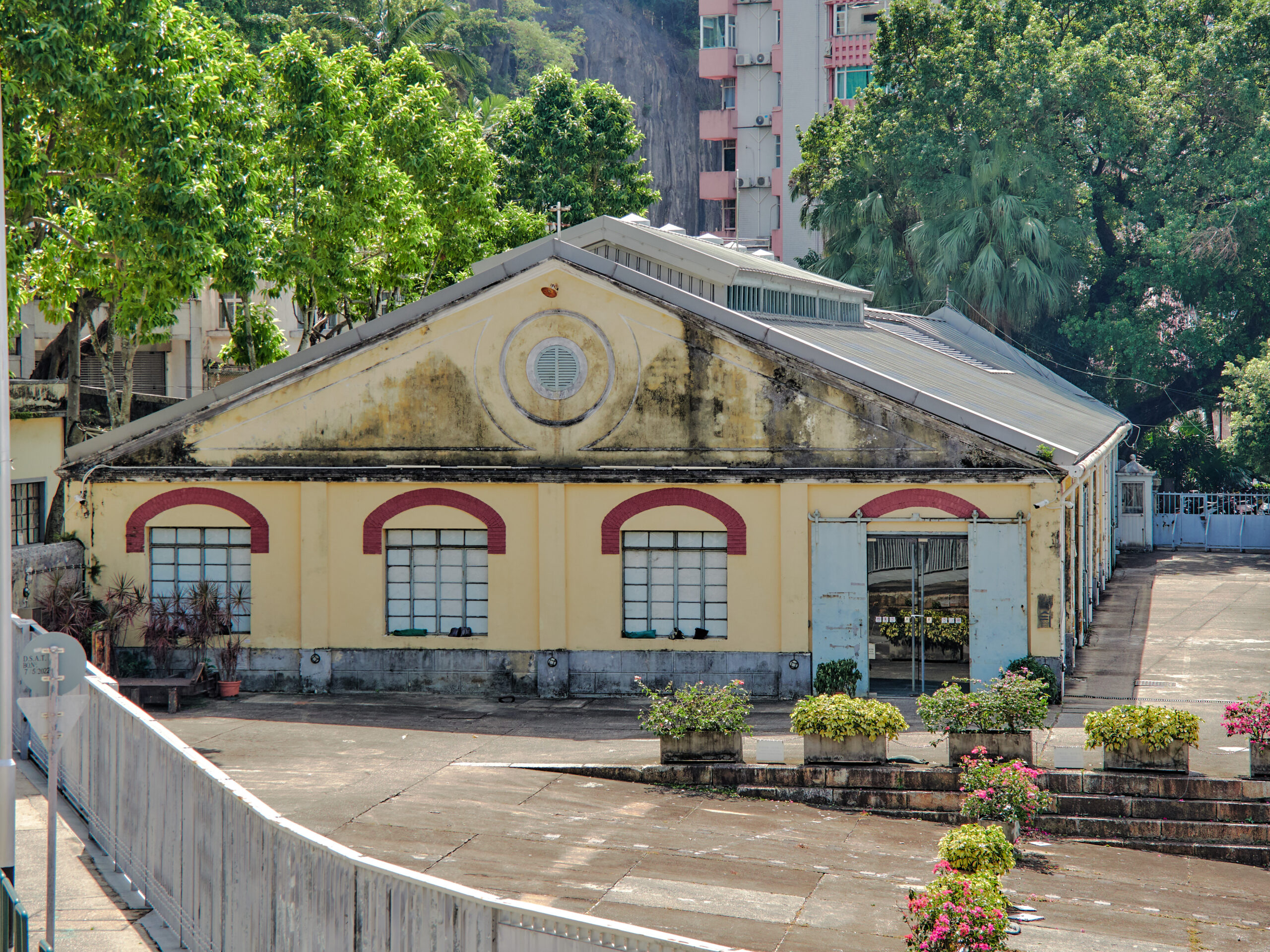
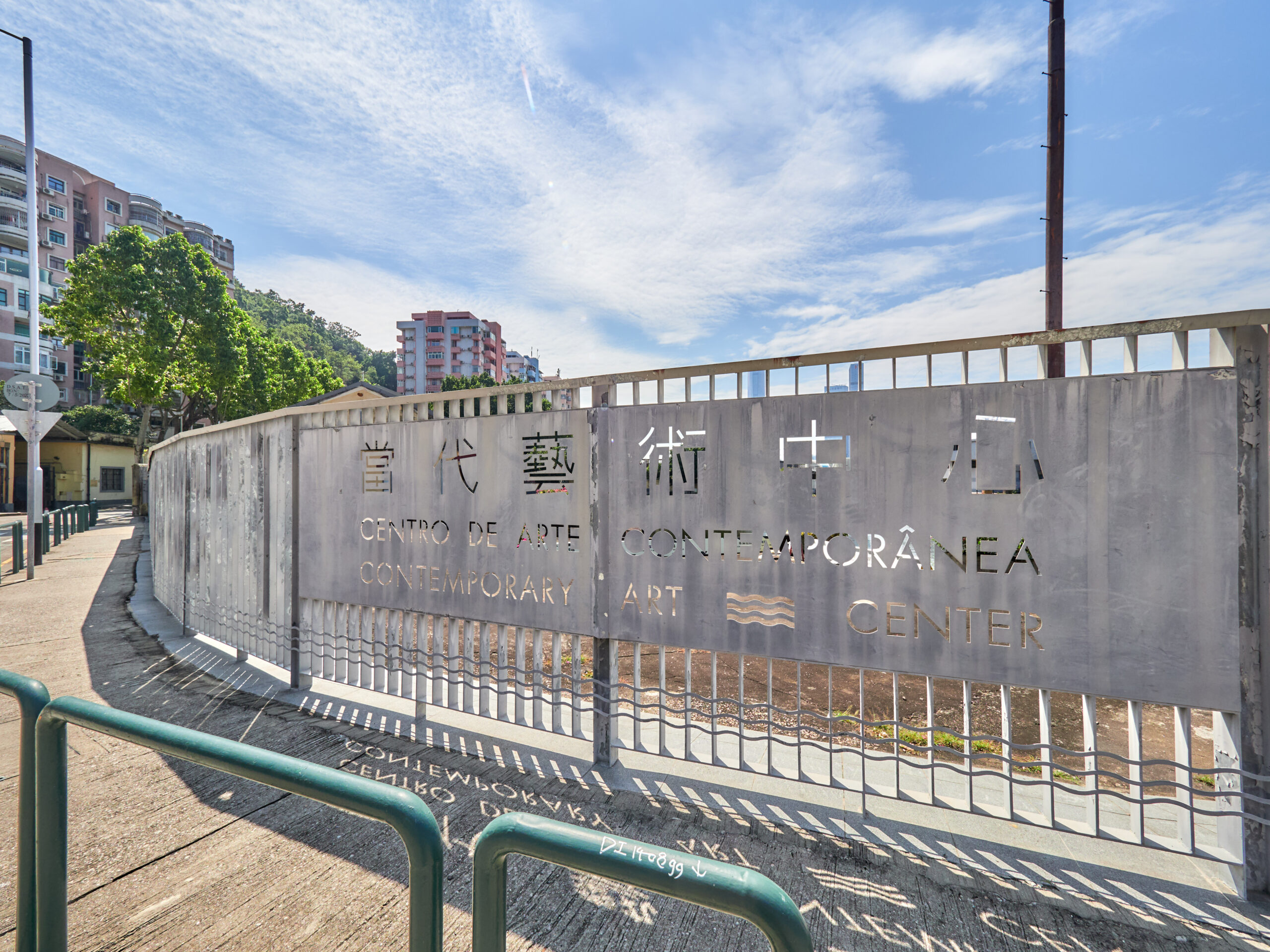
Barra Dockyard District is located opposite A-Ma Temple and adjacent to the Maritime Museum of Macau. It was originally Macau’s only government dockyard. Established in the late 19th century and expanded several times, it evolved from repairing and building wooden boats to servicing metal vessels. For many years, it supported port operations and the water law enforcement fleet, and it also built ships for Sociedade de Turismo e Diversões de Macau. To accommodate the redevelopment of the surrounding area, the government dockyard was relocated to the Inner Harbour near Fai Chi Kei in 2003. In 2013, the government planned to transform the former dockyard site into the “Maritime Workshop,” a contemporary art center. Building 1, formerly the machine room, opened at the end of 2016, while Building 2, formerly the dockmaster’s office, was restored and opened in 2018.
Navy Yard No.1
Maritime Workshop No. 1 is the oldest surviving historic building in the Barra Dockyard District. It was originally the machine room of the government dockyard and was also the largest standalone building within the dockyard. Inside, visitors can still see traces such as the foundation pits for large machine tools, bearing witness to the development of Macau’s official shipbuilding industry toward mechanization.
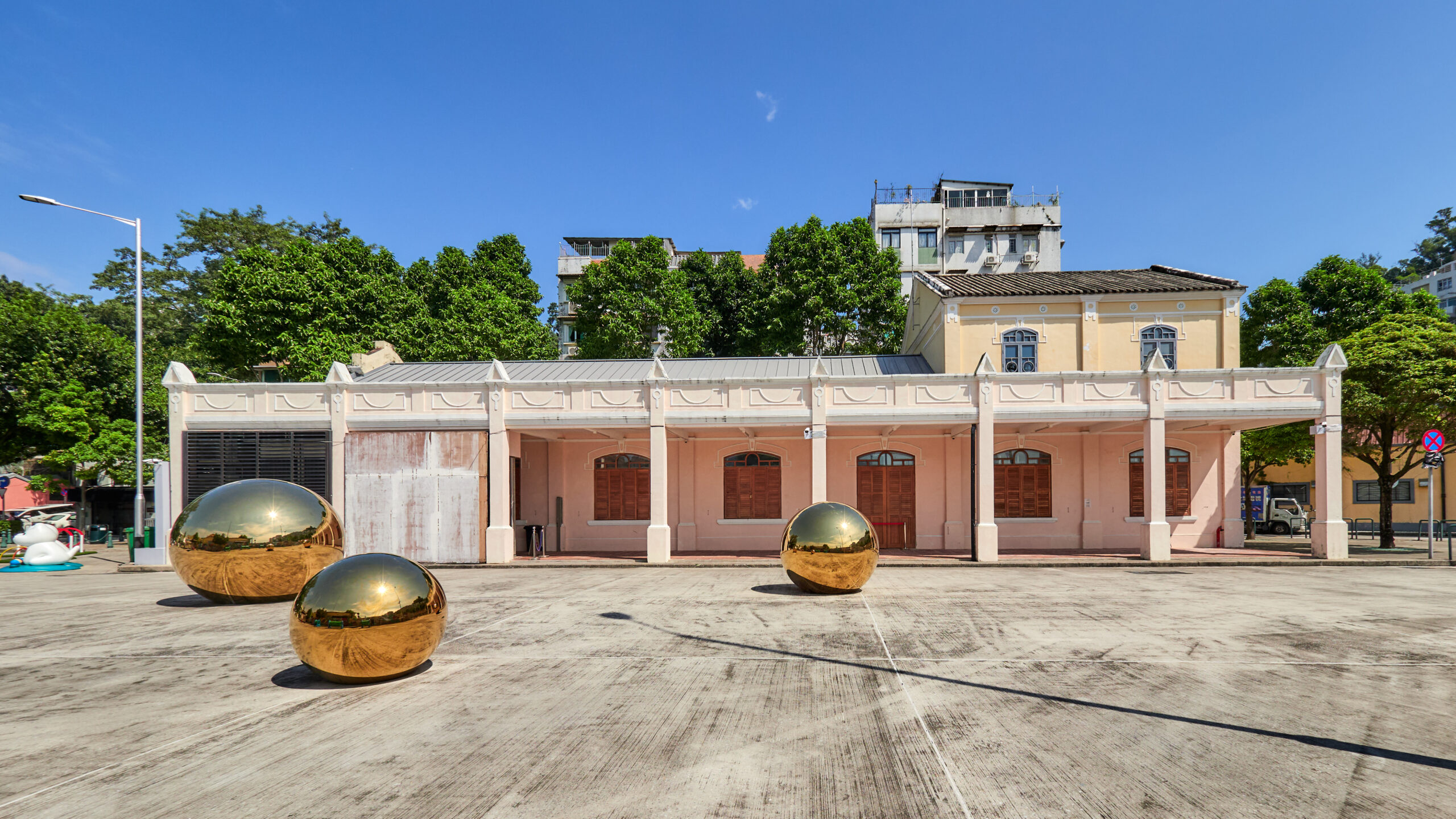
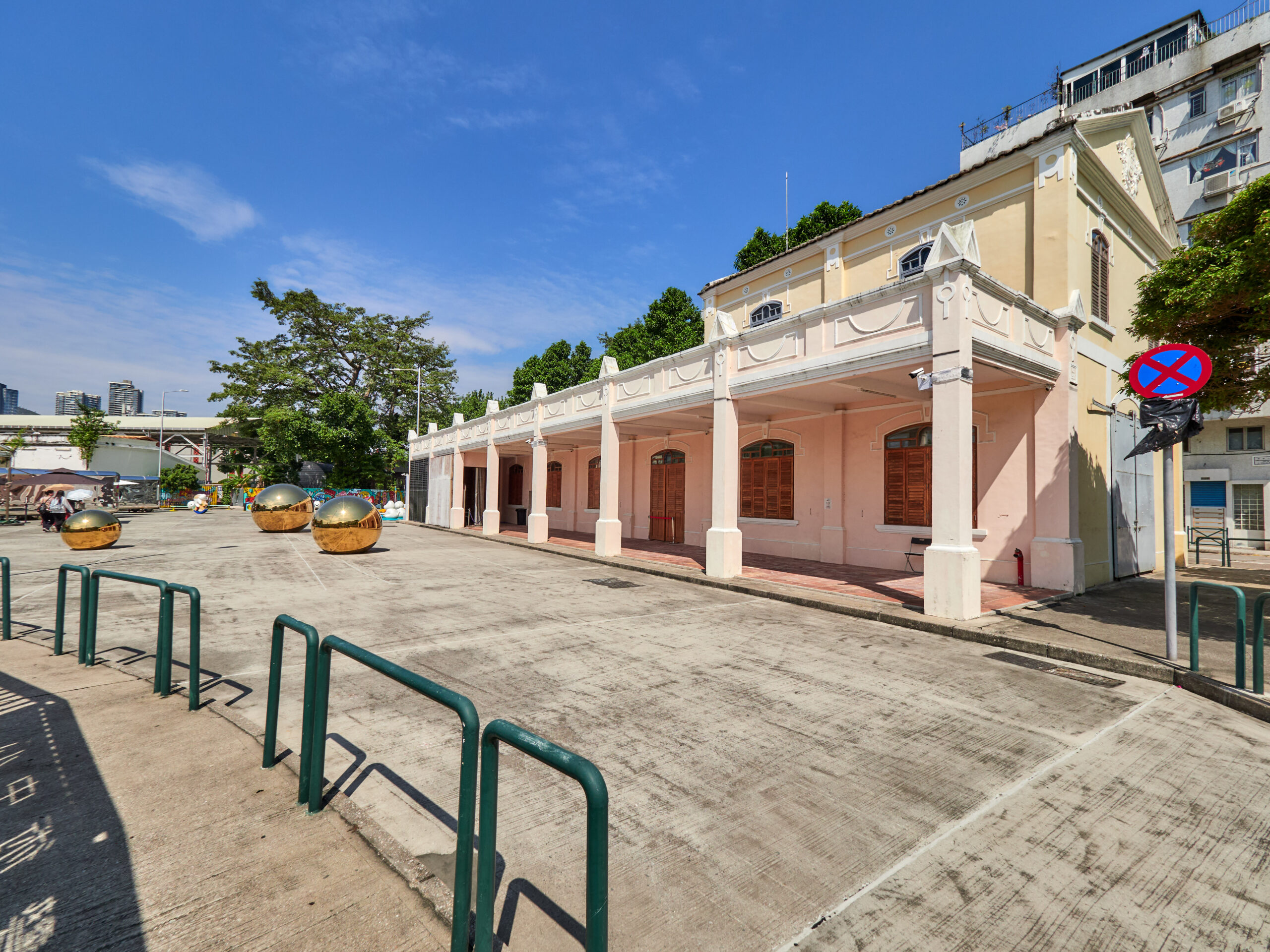
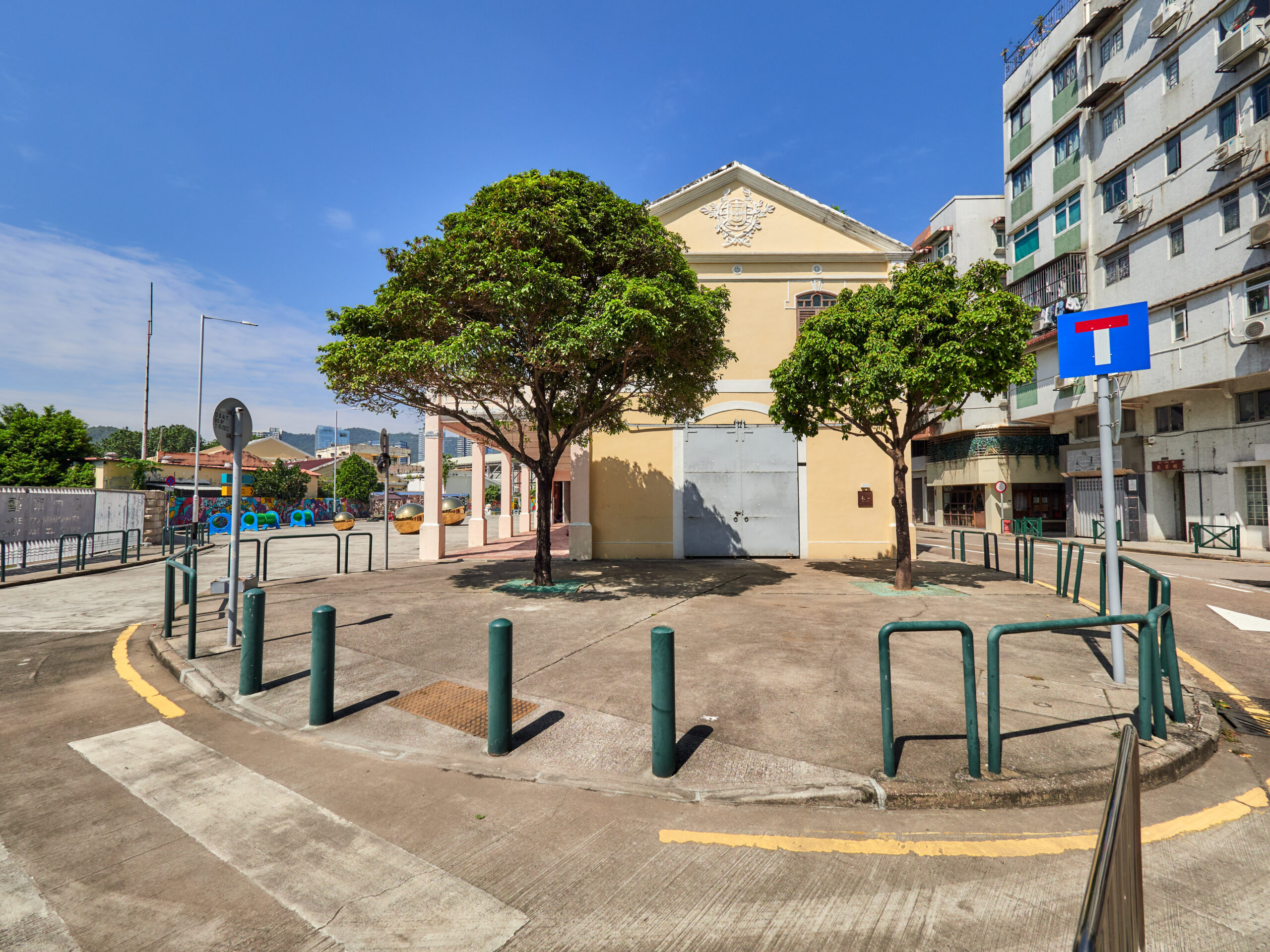
Navy Yard No.2
Maritime Workshop No. 2 was one of the shipyard facilities added after the land acquisition in 1920. In its early years, the building served multiple functions, including a carpentry workshop, a drafting room, a canteen, a clinic, and the dockmaster’s office, making it an important landmark of the government dockyard in the Barra Dockyard District.
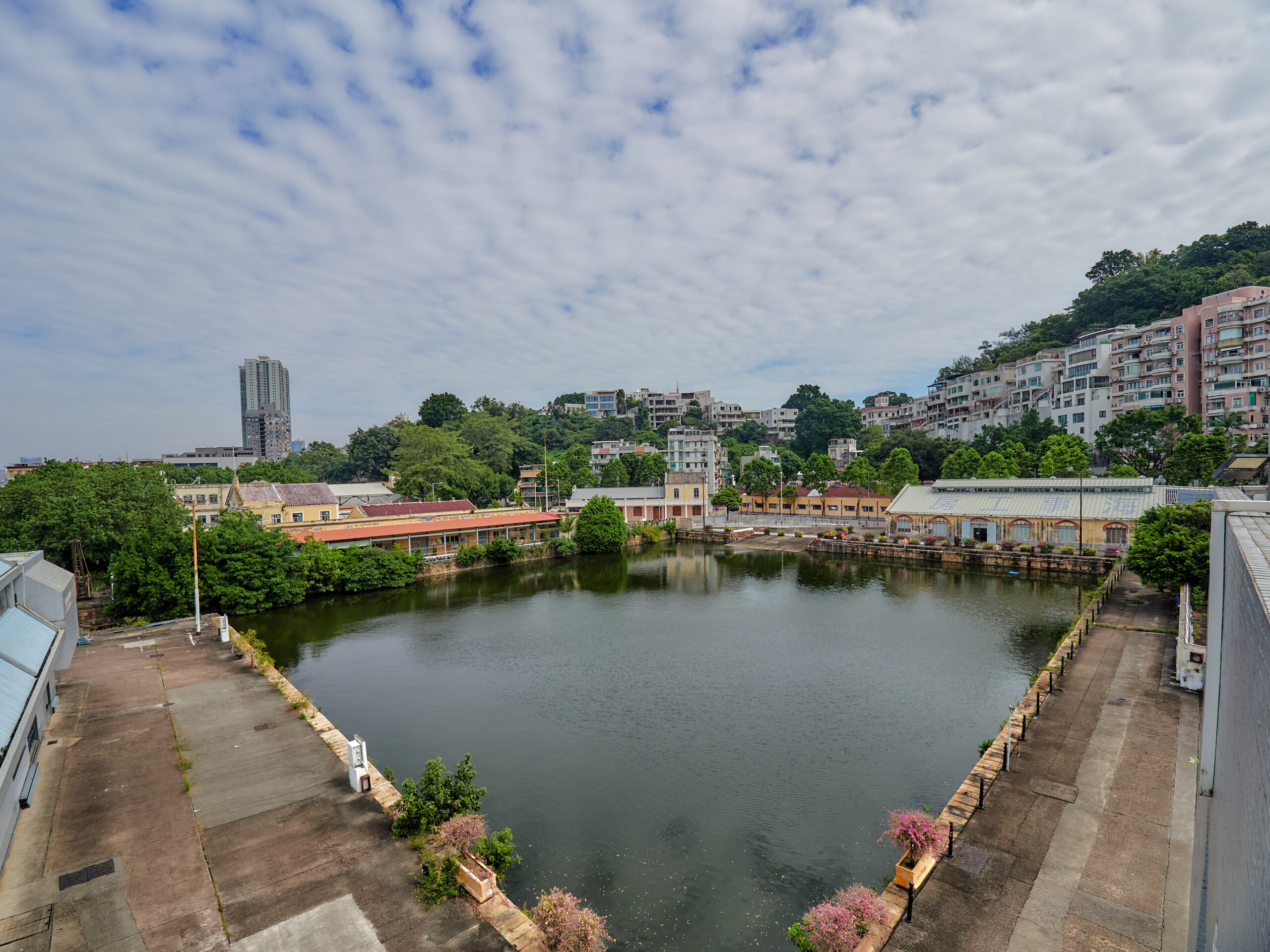
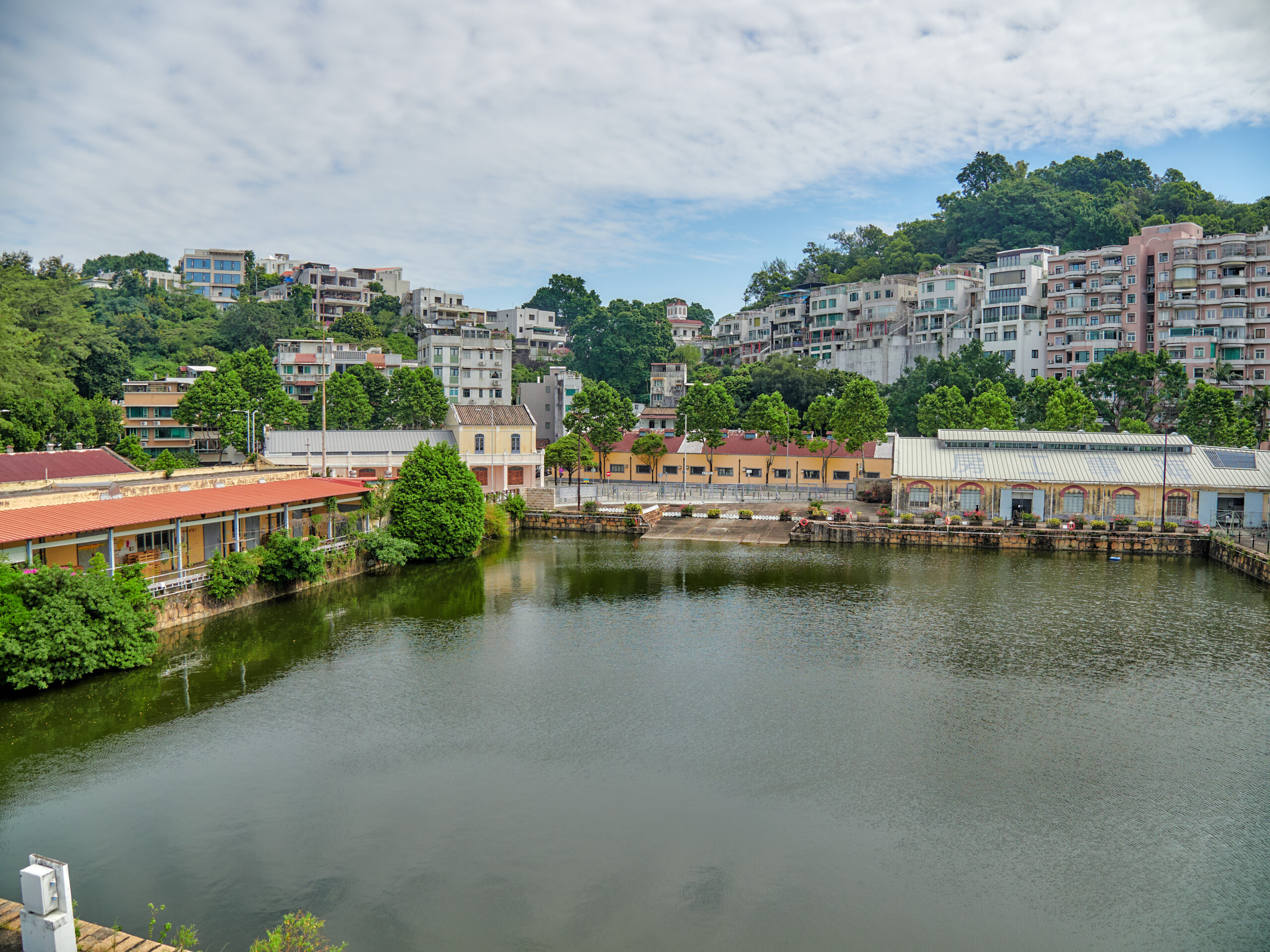
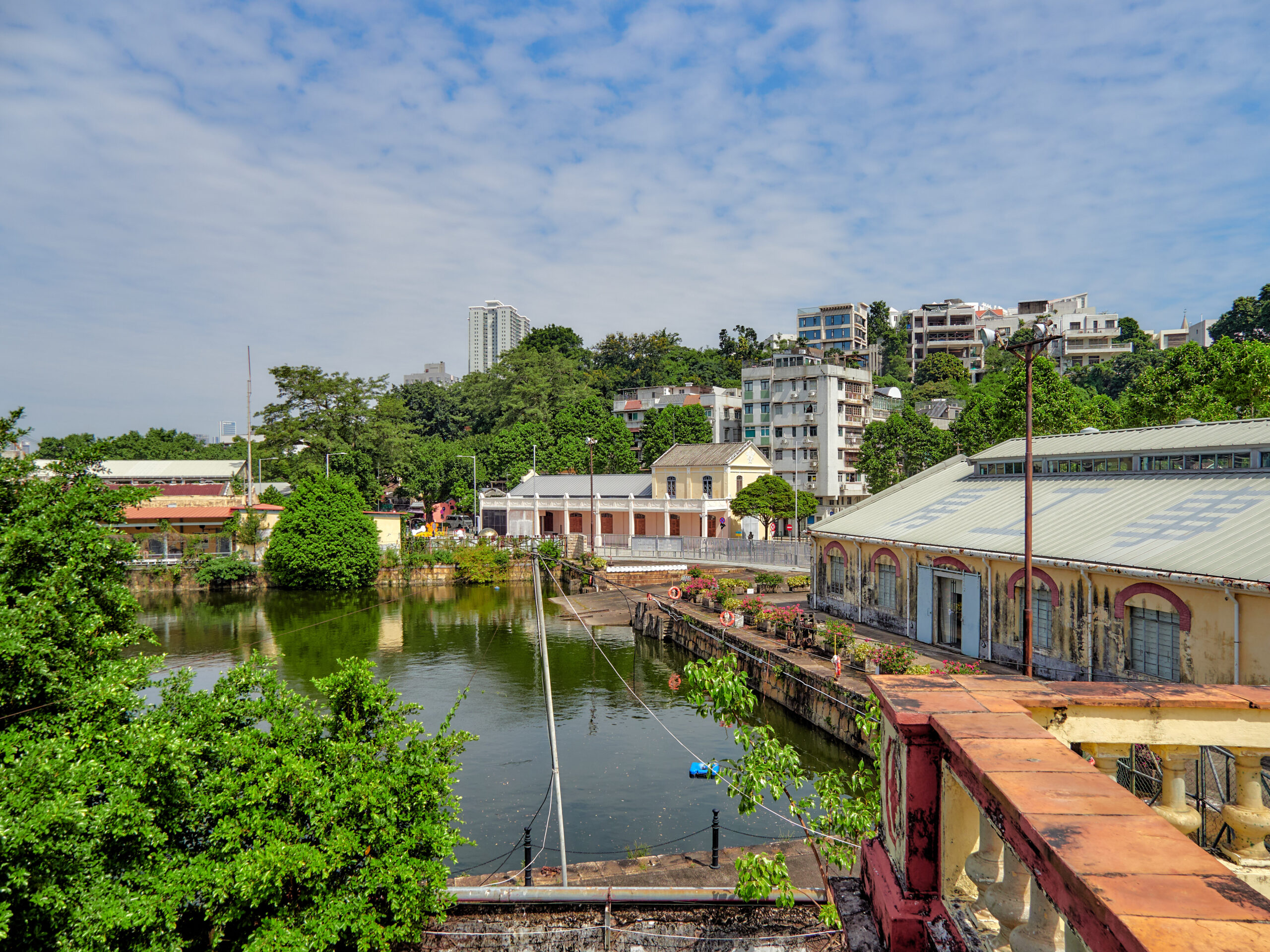
Lago de Barra
Barra Dockyard is the oldest and largest structure in the Barra Dockyard District, and it is also one of the area’s most iconic landscape features. It was originally used as a sheltered mooring area for vessels, and later commonly served as a berthing place for boats of the Navy Affairs Department and the Water Police Inspection Unit. Some of the smaller vessels from the government dockyard were also launched here. Elements such as mooring bollards, lamp posts, winches, and slipway tracks are still preserved on site, bearing witness to the area’s former port operations.
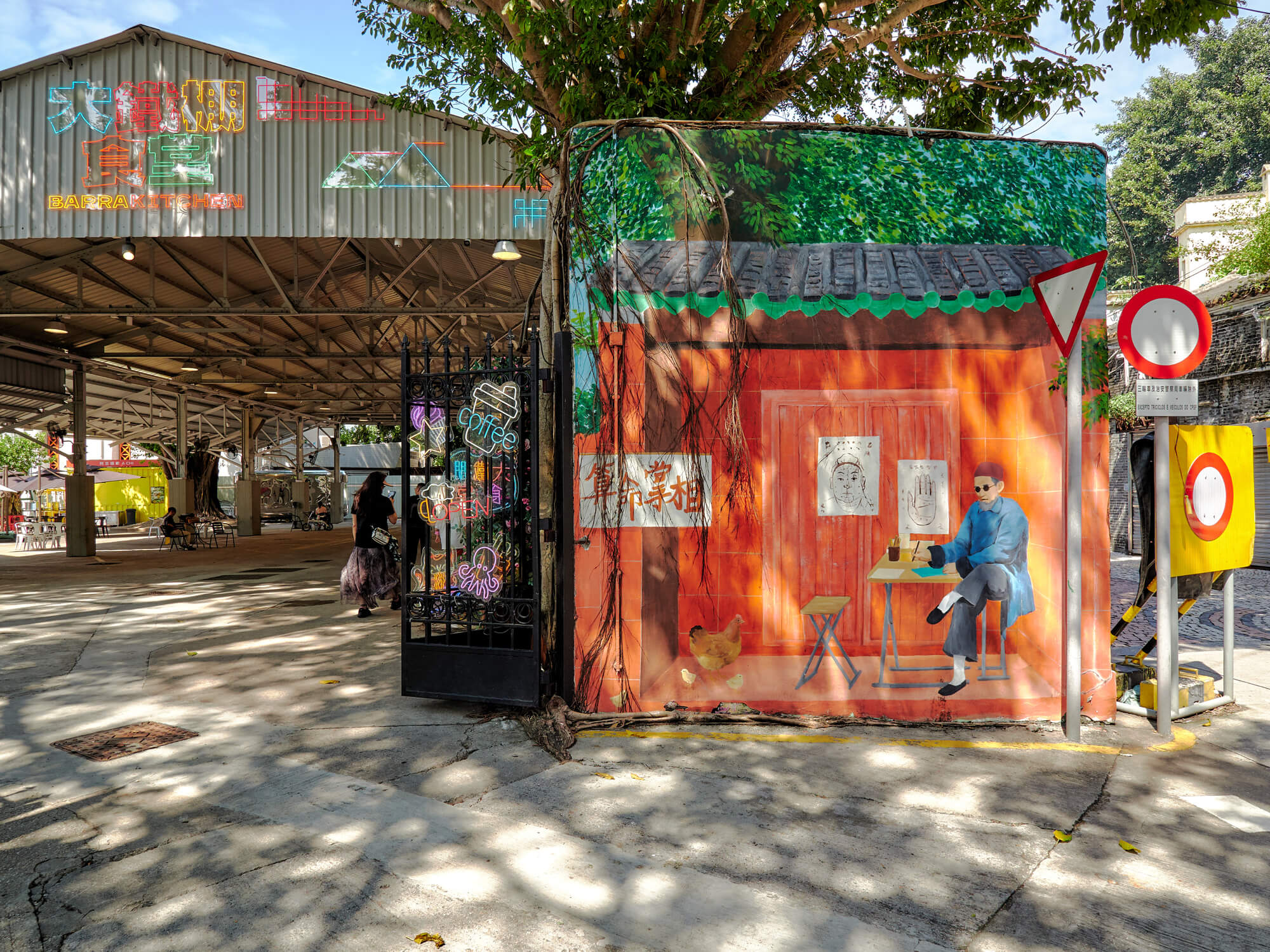
Dock Area
The Dock Area located at the former shipbuilding dock in the Barra District, is a creative homage to Macao’s tradition of open-air food stalls. Eight food trucks offer dishes such as chicken wing bread, handmade fish balls, crispy fried shrimp balls, and traditional Chinese sweet soup. Locals and tourists can savour a range of flavours all in one spot.
Former Barra Slaughterhouse Site
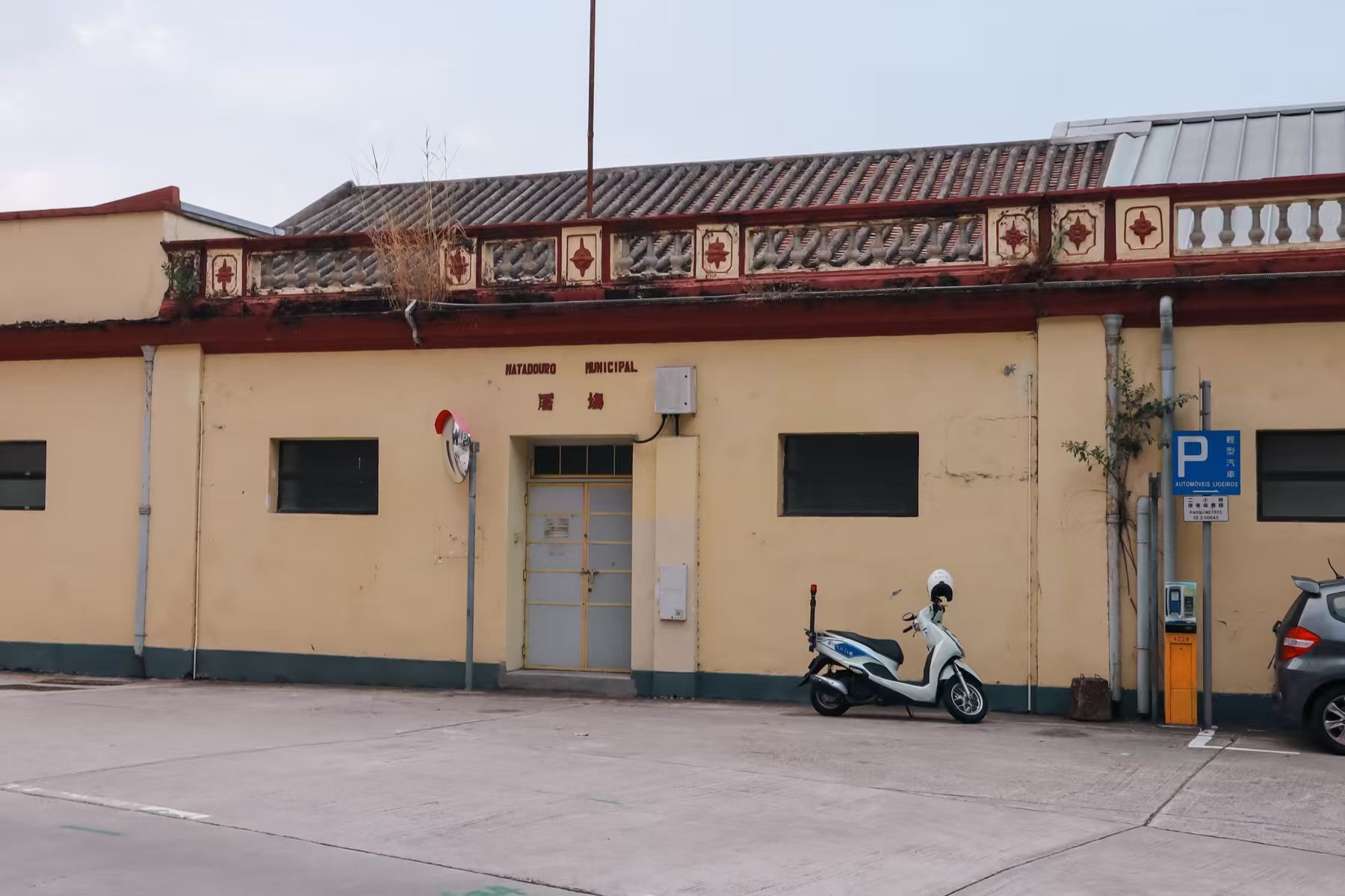
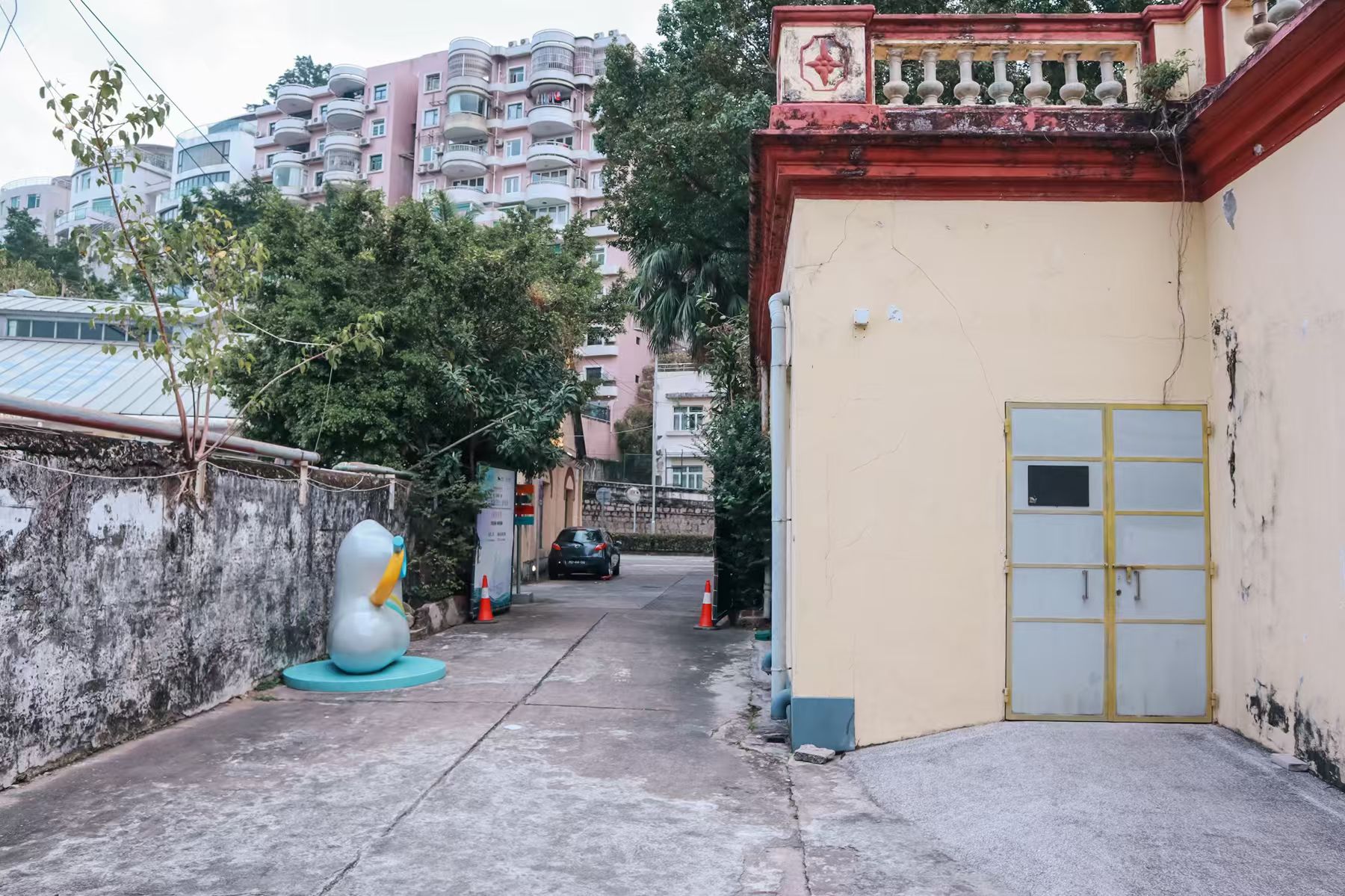
The Former Slaughterhouse Site is one of the earliest surviving buildings in what is now the Barra Dockyard District. It consists of three connected structures: the cattle slaughterhouse, the pig slaughterhouse, and the office. Together with the former pig holding pens and cattle sheds nearby, it formed a functionally planned building complex that bears witness to the establishment of a municipal slaughterhouse in Macau following the implementation of centralized slaughtering and hygiene supervision. As slaughter volumes increased, a relocation was proposed as early as 1967. In 1987, the facility was moved to Ilha Verde, and the original site was later converted into an archive storage facility for the Municipal Affairs Bureau.
References:
Silva. (1996). The Macau Government Dockyard: One Hundred Years of Shipbuilding and Ship Repair. Macau: Maritime Museum of Macau.
Tang Si. (2004). Macau Chronicles of Local Customs and Heritage, Volume 3. Macau: Macau Foundation.
Lou Ka Iu. (2013). The A-Ma Government Dockyard Site: One Hundred Years of Shipbuilding and Ship Repair. Macau: Old City, Memories personal blog.
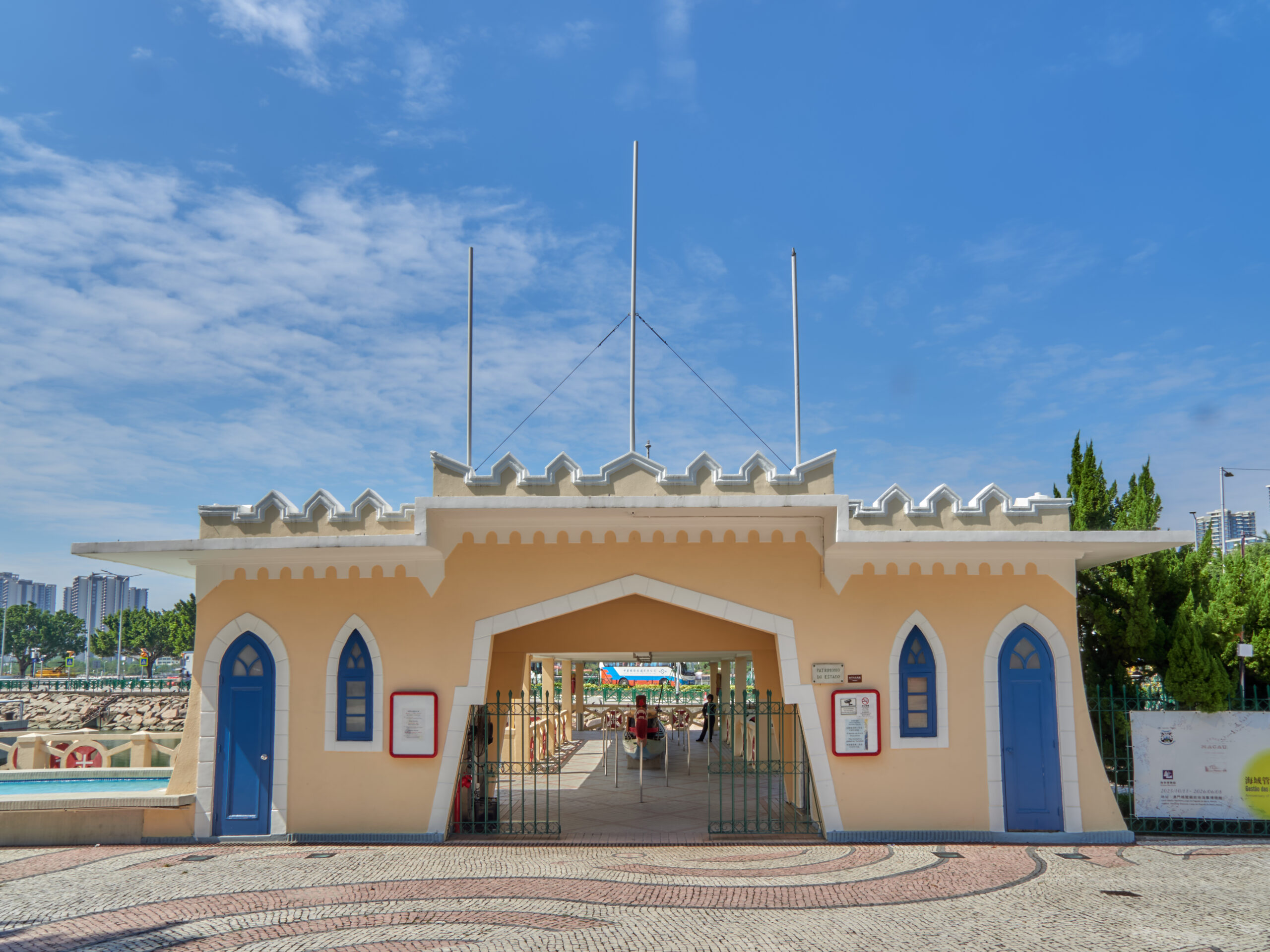
Nearby Attractions
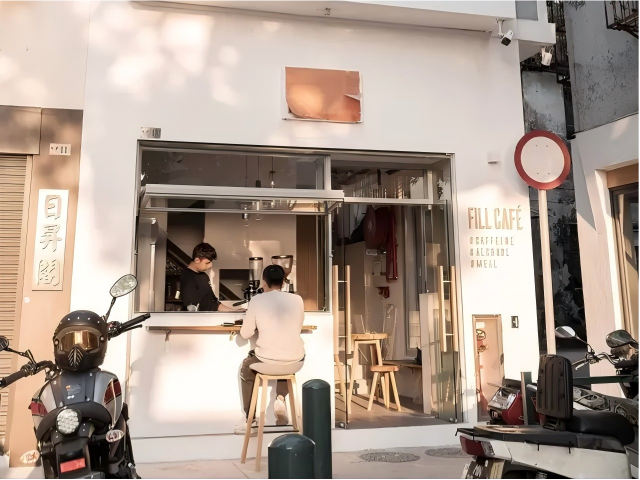
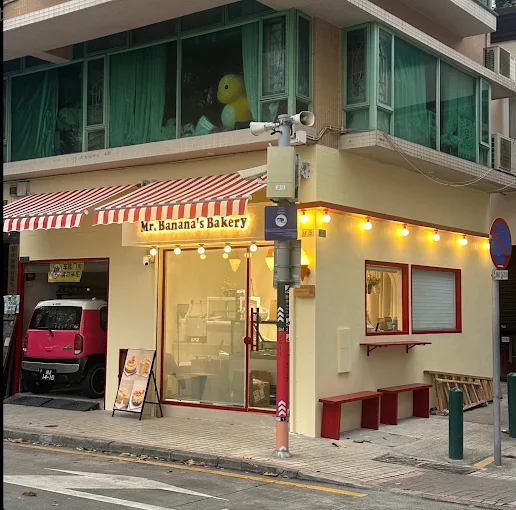
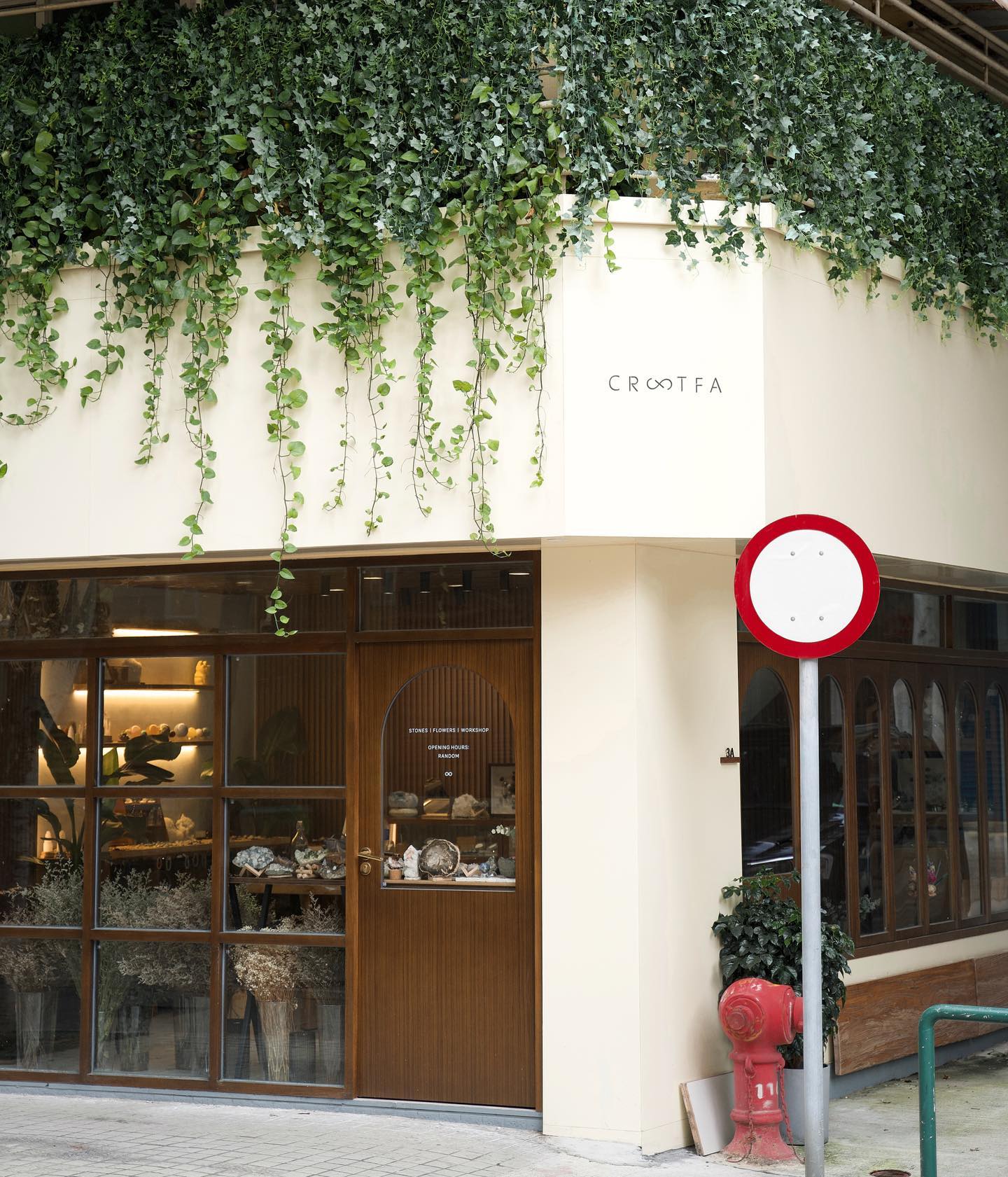
Nearby Businesses
Traffic Information
Nearby parking
Barra Transport Hub / Escola Náutica
Light Rail
Barra Station (Taipa Line)
Bus
1、2、5、6B、10、11、18、18B、21A、61
16S、26、28B、55、60、65、71S、N3
1、2、3A、5、6B、9、10、11、18、18B、21A、26、55、60、61、65、71S、MT4、N3
1、2、5、6B、10、11、16S、18、21A、26、28B、55、60、61、65、71S、MT4、N3